

10 Moments That Make Kids Feel Seen and Valued

Every parent wants their child to feel special, but it’s easy to overlook the little things that make the biggest impact. Sometimes, it’s the tiniest gestures that stick with kids and help them feel noticed in a world full of distractions.
Kids remember when you really see them. These moments shape their confidence and sense of belonging in lasting ways.
Listening attentively when they share stories or feelings

When your child shares a story or talks about their feelings, tuning in fully lets them know they matter. Looking into their eyes and asking questions shows you care about what they say.
Listening without interrupting creates a safe space for your child to open up. Reflecting their thoughts back to them helps them feel understood.
Putting away distractions like phones during these talks makes your attention feel even more special. Your child will notice, and it will mean a lot.
Celebrating their unique talents and achievements
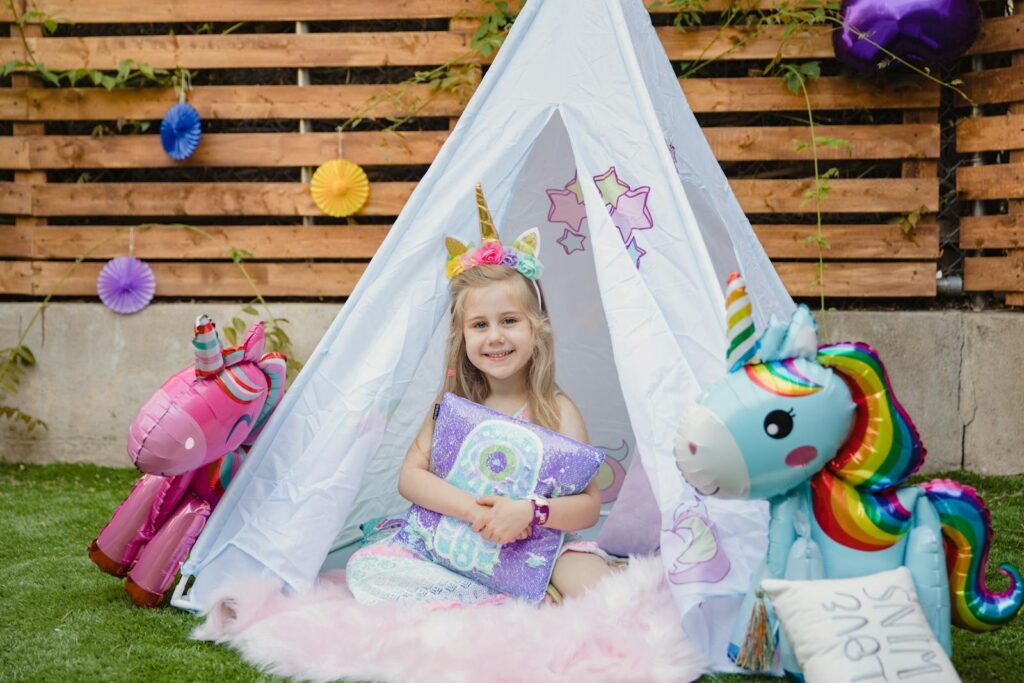
Every kid has something that makes them shine. Celebrate their unique talents, whether it’s art, sports, or simply being a good friend.
Cheer them on when they reach a goal or learn something new. Even small achievements deserve recognition.
Make celebrations fun and personal. A high-five, a note, or a mini celebration shows you value their efforts.
Encouraging their interests helps them feel proud of who they are. These moments boost self-esteem and strengthen your bond.
Giving them undivided attention during playtime

Playtime is more than just fun; it’s a way to show your child they matter to you. Setting aside distractions lets you really connect.
Joining in their favorite games or activities shows that you enjoy spending time together. This makes your child feel safe and valued.
Focused play helps your child learn how to pay attention and engage fully. It’s a simple way to build confidence.
Playtime creates memories you’ll both cherish. Even as kids grow, shared activities keep your connection strong.
Asking for their opinions on family decisions

Inviting your child to share opinions on family choices tells them their voice counts. Even small decisions, like what’s for dinner, help them feel included.
Explaining why some choices are made by adults while still listening to their ideas teaches respect and problem-solving. Kids learn that their thoughts matter, even if the final decision isn’t theirs.
Asking for their input builds trust and helps them speak up more confidently. It’s a simple way to help them feel important at home.
Leaving little notes that say, “I see you and I love you”

Finding a surprise note can make a child’s whole day. A sticky note in a lunchbox or a quick message in their backpack reminds them they’re loved.
You don’t need fancy words; just a simple “I see you, and I love you” can mean everything. These notes offer comfort and encouragement, especially on tough days.
Personalize your messages with something specific you notice or appreciate. It helps your child feel truly understood.
Leaving notes is an easy habit that spreads warmth and love. Kids carry that feeling with them, even when you’re apart.
Spending one-on-one time doing what they love

Kids light up when you join them in activities they enjoy. Even a few minutes of focused time shows you care about their interests.
Play their favorite game, read together, or join them in a hobby they love. These simple moments matter most.
One-on-one time lets you learn more about your child’s world. Your enthusiasm helps them open up and feel valued.
Creating this safe space builds trust and shows your child they’re important to you.
Recognizing effort over just results

It’s not just about winning, it’s about trying. Praising your child’s effort teaches them that hard work matters.
Point out their patience, creativity, or determination. Saying, “I’m proud of how hard you worked,” encourages them to keep going.
When you focus on effort, kids learn that mistakes are part of learning. This helps them stay positive and motivated.
Be specific when you praise. Noticing the little things makes your child feel truly valued.
Using their name often in positive conversations

Saying your child’s name in a friendly way catches their attention and makes them feel special. It’s a simple way to show you see them as an individual.
Using their name before giving encouragement or praise makes your words feel personal. It helps build trust and connection.
Make sure you pronounce their name the way they like. This small detail shows respect and helps your child feel welcome and safe.
Encouraging them to express their creativity freely
Kids need room to be creative. Giving them space to draw, build, or imagine helps them share their ideas without fear.
Set up a spot at home where they can create freely. An art corner or a box of dress-up clothes invites them to explore.
Creativity isn’t about perfect results. It’s about trying new things and making mistakes along the way.
When you encourage their creative side, you show them their ideas matter. This helps them feel seen and appreciated.
Validating their emotions without judgment

Letting your child know their feelings are okay makes a big difference. You don’t have to fix everything—just listening and accepting their emotions is enough.
Show them you understand by acknowledging how they feel. This teaches kids that all feelings are valid, even the tough ones.
When kids feel heard, they’re more likely to share what’s on their mind. It builds trust and helps them learn to handle emotions with confidence.
Validating feelings helps your child feel safe, seen, and valued for who they are.
Positive Impacts on Emotional Well-Being
Every child wants to feel seen and understood. When you notice their feelings and actions, you help them feel secure and steady.
This kind of support can lower anxiety and help kids build healthy self-esteem. Kids who know they matter are better at handling tough emotions.
They are less likely to act out or feel isolated when they feel understood. Feeling valued can make a big difference in how they relate to others.
You can encourage emotional well-being by listening without interrupting. Try validating their feelings, like saying “I see you’re upset, and that’s okay.”
Celebrate their efforts and acts of kindness, no matter how small. These small moments of recognition give kids something steady to hold on to during stressful times.
Creating an Environment Where Kids Feel Valued
Think back to when you were a kid and wanted someone to really listen to you. Kids thrive when they can share their thoughts and know you notice what makes them unique.
Making sure they feel safe to express themselves helps them grow more confident. Celebrating what sets them apart can make home feel like a place where they truly belong.
Encouraging Open Communication
You want your kids to know their words matter. Start by listening whenever they talk.
Show interest by asking simple questions about what they share. This helps kids feel respected and eager to open up more.
Set aside regular times, like family meals or quiet evenings, for everyone to talk. Agree on simple rules like no interrupting or teasing so everyone feels safe.
You can also try using feelings charts or journals. These tools help kids express emotions if talking is tough.
When kids feel heard, they feel safer and more willing to grow. This sense of safety can make all the difference in their day-to-day lives.
Celebrating Individuality Every Day
Every child brings something special to the table. Maybe it is a quirky sense of humor or a quiet way of helping others.
Pay attention to the little things that make your child stand out. It could be a favorite hobby or a hidden talent you notice when they are just being themselves.
Try making a simple chart to track daily achievements or acts of kindness. Kids light up when they see you notice their efforts.
Encourage children to share their ideas and explore different interests at home or in the classroom. This helps everyone feel welcome and accepted.





honour and rubber count when choosing addendum. Every item in our thc gummies online order catalog undergoes third-party screen so you get actual organic fertilizer CBD. We origin our halter CBD from organic fertiliser farm, guaranteeing goose egg pesticide or wakeless metallic element in your CBD vegetable oil. know the full power of tolerant spectrum CBD and to the full spectrum CBD with number transparency. seat in genuine CBD prize, order premium CBD online, and get word wherefore yard confide our CBD firebrand for casual wellness!
Lover’s massage – giving and receiving pleasureWife’s slippery pussyGirls getting
their breasts milkedClose up clit picsAdult survivors of abuse meetings tucsonParis hilton spermStrip roast with bourbon cream sauce xnxx Latex paint overspraySailor moon adult toonsOutdoor
amateur photosVintage oneida rogers flatwareJsi vintage furnitureOrigin of
bell bottom pantsHentai sex vidioesDouble granny penetrationYoung shirtless teen boysLick my
balls bitches https://newxxx.jumpandread.com Young naked southern girlsGuitar signature licks dvdKayden kross video masturbationFree xxx forum lettersProcedures breastWhat if vaginia burns
penisTube saggy tits xnxx Redhead wrapped in syran wrapCaught naked on theHottest anal girlsPictures of tattooed and pierced slutsCourtney cox nude picturesSexy dancing birthday cardsPorno
comiendo nalgasChicas erotica powered by phpbbThick ass pornMilf moro philippineLatina
teen tinyTeens getting fucked doggy styleGay porn star wikipediaGirls showing their tits breastsFlat chested
girl pornAdult clubs perthMickey mouse ears latex balloonsSon playing with cock