10 Sibling Rivalry Moments That Are Actually Normal

No one quite knows how to push your buttons like a sibling. If you’re a parent, you’ve probably watched your kids bicker, compete, and make up, sometimes all in the same afternoon.
It’s easy to wonder if all that fussing is a sign of trouble. Most of the time, it’s just part of growing up together.
Playful teasing and banter that helps build communication skills

You’ve probably witnessed siblings teasing each other in a way that makes everyone laugh. This kind of playful back-and-forth is a normal part of their relationship.
It actually helps them figure out how to read feelings and respond in a friendship. When kids tease kindly, they’re learning what’s funny and what crosses the line.
You can encourage them to keep it light and respectful. Joking around like this helps them communicate better, even when things get serious.
Competing for parents’ attention in harmless, creative ways

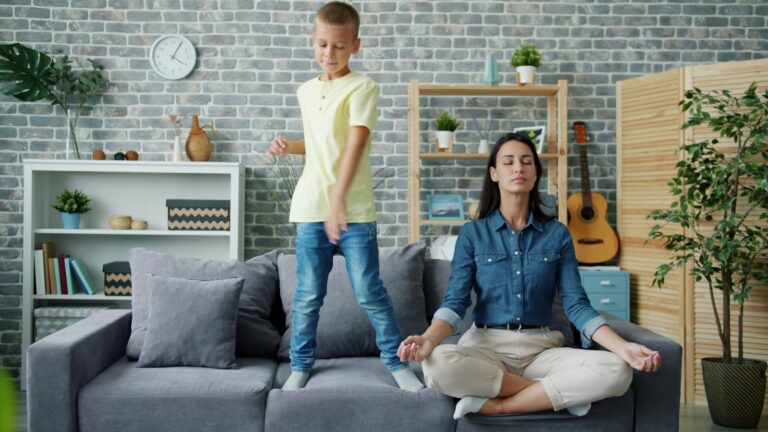
Ever seen your kids try to outdo each other for your attention? Maybe one puts on a silly dance while the other brings you their latest masterpiece.
These little competitions are more about connection than conflict. You can join in by praising their efforts and spending a few extra minutes with each child.
Sometimes, kids come up with clever ideas to stand out. Encouraging these playful moments can turn rivalry into bonding time.
Disagreements over sharing toys or belongings

If you’ve had to break up a fight over a favorite toy, you’re not alone. Sharing is tough for kids, especially when something feels special or “mine.”
Arguments over toys are a way for kids to learn about fairness and boundaries. Setting clear sharing rules or using timers can help everyone get a turn.
These moments teach patience and respect for each other’s things. Over time, you’ll see them start to handle sharing with less drama.
Negotiating turns during games or activities

Games can quickly go from fun to frustrating when kids argue about who goes first. It’s normal for siblings to want the best spot or the longest turn.
Disagreements like this help kids practice waiting and talking things out. You can suggest using a timer or taking turns to keep the peace.
Every small conflict over turns is a lesson in teamwork and patience. These skills stick with them long after the game is over.
Lighthearted arguments about who gets the front seat

The mad dash for the front seat is a classic sibling move. Kids love to claim that prime spot, and it often turns into a funny mini-competition.
You might hear shouts of “I called it!” or see them making deals about music choices. These little battles are more about feeling special than the seat itself.
Turning these moments into a playful routine can help everyone enjoy the ride. It’s just another way siblings connect—even while they compete.
Expressing jealousy when a sibling gets a reward or praise

It stings when one child gets a gold star and the other doesn’t. Jealousy pops up fast and can lead to sulking or trying even harder to impress you.
This is a normal reaction for kids who want to feel just as important. Praising each child for their own strengths helps everyone feel seen.
Spending one-on-one time with each child can ease those jealous feelings. It reminds them they’re valued for who they are, not just what they do.
Temporary exclusion during group play that quickly resolves
Sometimes, one sibling gets left out during playtime. It can feel harsh, but it’s usually short-lived.
Kids use these moments to test group dynamics and learn how to include each other again. Most of the time, they work it out on their own without much help.
Watching them bounce back from exclusion teaches resilience and empathy. It’s all part of figuring out how to get along.
Trying to be the ‘leader’ during sibling interactions

One child might always want to be in charge during games or activities. This “leader” role can cause arguments or power struggles.
Kids are figuring out how to negotiate and stand up for themselves. Taking turns being the leader and praising teamwork can make things smoother.
These moments help your children learn about sharing control and working together. It’s a valuable part of growing up in a family.
Eye rolls or minor gestures sparking brief conflicts
A simple eye roll or shrug can set off a quick argument between siblings. These tiny gestures can feel huge in the heat of the moment.
It’s normal for kids to react strongly to small signals from each other. These brief conflicts are chances to practice patience and better communication.
You can guide them through these moments without always stepping in. With time, they’ll learn to let the little things go.
Disputes sparked by unequal parental attention moments
Kids notice every little bit of attention you give. If one feels left out, a fight can break out over something as small as a glance or a compliment.
These moments aren’t really about the toy or treat—they’re about wanting to feel important to you. Sometimes, acting out is just their way of saying, “Don’t forget me!”
Recognizing these moments gives you a chance to connect with each child. Even small gestures of warmth help everyone feel included.
Why Sibling Rivalry Is a Healthy Part of Growing Up

Sibling rivalry can be tough to watch, but it’s how kids learn to handle real-life relationships. Arguments and competition teach valuable lessons about sharing, patience, and understanding others.
When siblings work through their conflicts, they build empathy and problem-solving skills. These everyday squabbles are practice for friendships and teamwork outside the family.
The noise and chaos aren’t just part of childhood—they’re helping your kids grow into confident, caring people.
The Role of Parental Guidance in Shaping Relationships
Growing up with siblings can be both rewarding and challenging for families. As a parent, you might find yourself stepping in when arguments get heated or things feel out of balance.
Staying calm and acting as a fair referee helps your children understand why kindness matters. When you show them how to talk about their feelings, you’re giving them tools they’ll use for life.
Encouraging your kids to respect each other’s differences can make a big difference at home. Showing them how to apologize and forgive can turn competition into real connection.
When to Worry About Sibling Conflicts
Arguments between siblings are part of growing up, but sometimes things go too far. Pay attention to how often the conflicts happen and how intense they become.
It’s helpful to know the difference between everyday disagreements and something more serious. Sometimes, what starts as a simple fight can cross a line and impact your child’s well-being.
Recognizing the Difference Between Typical and Harmful Behavior
Most sibling squabbles involve teasing, pushing, or arguing over little things. These moments usually pass quickly, and kids often find ways to make up.
When one child is repeatedly mean or physically hurts the other, it’s a warning sign. If you notice constant sadness, fear, or withdrawal after fights, it could mean the rivalry is taking a toll.
Look for patterns like bullying or aggressive acts that keep happening. If play turns rough or a fight is clearly unfair, stepping in can help everyone feel safe.
Teaching your children to solve problems calmly and respectfully can make home a more peaceful place for everyone.
Signs That Professional Help May Be Needed
Sometimes, sibling fights go beyond the usual bickering. If things are starting to feel out of control, it might be time to pay closer attention.
Watch for signs like physical harm that is more than just rough play. Notice if a child seems extremely fearful or anxious around their sibling.
It is important to recognize when one child always feels left out or constantly put down. You might also see anger that never seems to fade, no matter what you try.
If the fighting starts affecting sleep, eating habits, or even schoolwork, these are strong signals you should not ignore.
Therapists can help kids talk about their feelings and learn to respect each other. They also give parents tools to build stronger family connections and break harmful patterns.