12 Signs Your Home Has a Calming Effect on Your Kids

Ever wondered if your home is really the peaceful haven you hope it is for your kids? Sometimes, the little things your children do can reveal just how much your environment helps them feel secure and relaxed.
Paying attention to these everyday moments can help you create a space where your children truly thrive.
Kids calmly ask for help when upset

When your child feels safe at home, they will come to you or others calmly when they need help. Instead of acting out or shutting down, they use words to explain what’s wrong.
This shows they trust you and believe you will listen. You can encourage this by showing patience and staying calm yourself.
Sometimes, your child might ask a sibling, a parent, or even a friend for help. This is a good sign—they know it’s okay to reach out.
You can also model this by asking for help when you need it. Showing your child healthy ways to cope builds their confidence and helps them manage tough feelings.
Children use the calm down corner independently

You’ll notice when your child starts going to their calm down corner on their own. This shows they are learning to manage strong feelings without needing you to step in every time.
Your child will use this space whenever they feel upset, angry, or overwhelmed. They choose to take a break there, helping their body and mind relax.
This means the calm down corner is working as a safe, trusted spot for them. You might see them using tools you’ve put in the space, like fidget toys or a feelings chart.
It’s exciting to watch because your child is practicing important skills. They are learning how to handle big emotions on their own.
Siblings resolve conflicts peacefully
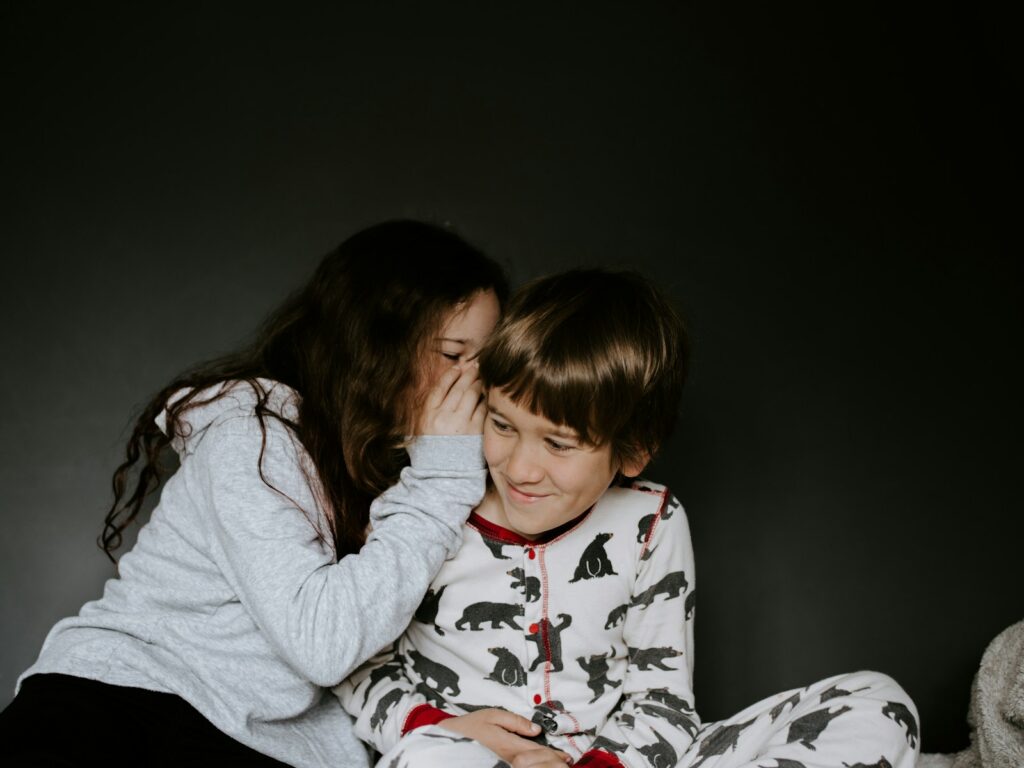
You notice your kids work things out without yelling or fighting. Instead of arguing, they talk about their feelings and listen to each other.
Your children might ask questions like, “How do you feel?” or “What can we do to fix this?” This kind of conversation means they are learning to solve problems together.
You also see them showing more kindness and empathy. When one sibling is upset, the other tries to understand instead of getting frustrated.
When kids handle conflicts this way, you know they trust the calm and supportive space you have built. Your family rules about respect and listening clearly guide their actions.
Kids express emotions clearly without outbursts

When your home feels calm, your kids can share their feelings more easily. They don’t need to shout or cry to get your attention.
Instead, they use words to tell you what’s on their mind. You help your kids by teaching them the names of feelings.
Saying things like “I’m happy” or “I’m sad” makes it easier for them to do the same. In a calm home, your children feel safe to open up.
They know you will listen and understand. Clear communication helps your whole family.
When kids express feelings without yelling, it lowers stress for everyone. You’ll notice fewer arguments and more hugs.
Children have consistent daily routines

When your kids have steady daily routines, they feel safer and more secure. You give them a clear sense of what will happen next, which helps lower stress.
Routines like regular mealtimes, playtime, and bedtime create a calm atmosphere in your home. Your children start to trust the rhythm of their day.
That trust builds their confidence and helps them focus better on what they’re doing. By keeping daily routines, you also support your child’s emotional health.
When kids know the schedule, it’s easier for them to manage their feelings. Even when life feels busy or hectic, sticking to routines gives your kids a steady anchor.
Household noise levels stay gentle and steady
You notice that the sounds in your home never feel overwhelming. The hum of the refrigerator or the soft ticking of a clock creates a peaceful background.
These gentle noises help your kids feel safe and relaxed. When noise stays steady and low, it’s easier for children to focus and calm down.
Loud or sudden sounds can startle them or make them anxious. By keeping noise levels gentle, you support their emotional balance every day.
You also avoid running multiple noisy devices at once. This balance prevents the noise from becoming chaotic or stressful.
Your home isn’t too quiet either. A small amount of steady sound can make the space feel lively and comfortable.
Kids show patience even during delays
You notice your kids don’t get upset when plans take longer than expected. They wait calmly, even when things don’t happen right away.
This shows they feel safe and relaxed in your home. When children feel secure, they can handle waiting without frustration.
You see them staying quiet and focused instead of getting restless or throwing tantrums. Your kids may use simple tricks like deep breaths or talking themselves through waits.
These small acts of patience mean they’ve learned how to cope with delays. Your calm environment teaches patience without nagging or power struggles.
Children mirror calm breathing and tone of adults

You might not realize it, but your kids pick up on your emotions more than you think. When you breathe slowly and speak softly, they notice.
Your calmness sends a message that it’s safe to relax. Your child’s brain has mirror neurons that copy what they see.
So when you stay steady and calm, it helps them do the same. Try taking deep breaths when things get tense.
Speak in a gentle tone. This simple act can help your child slow down their own stress and worry.
Kids engage in quiet activities like reading or drawing

You’ll notice your kids happily reading books or drawing quietly in a cozy corner. When your home feels calm, they naturally choose these peaceful activities on their own.
Quiet play, like coloring or flipping through a storybook, helps kids focus and unwind. Your home becomes a space where their creativity flows without distractions.
They might even spend longer stretches enjoying these calm moments. Watching your kids sit calmly with a book or art supplies shows that your space supports their need to rest and think.
These quiet activities are not just fun; they help kids feel balanced and happy.
Children transition smoothly between activities
You notice your child moves easily from one activity to another without fuss. This means your home creates a calm and safe space where they feel in control.
When transitions like going from playtime to mealtime happen with little trouble, it shows your routines are working. Your child knows what to expect next.
You might use simple cues or timers that help them prepare for change. These small signals reduce worry and keep your child focused.
Sometimes kids act out during transitions because they feel rushed or unsure. But in your home, they stay relaxed.
You support them by giving clear directions and time to adjust. This helps stop tantrums before they start.
Kids seek comfort in safe, cozy spaces
You will notice your child naturally looking for small, quiet spots when they feel overwhelmed or upset. These spaces are their way of finding comfort and feeling secure.
When your home offers cozy corners or soft places, your kids will use them to calm down. Creating a safe, warm area shows your child that they have a spot just for them.
It can be a small nook with pillows, blankets, or favorite toys. These spots help kids relax and feel understood without needing words.
Your child might retreat to these spaces when emotions run high. This is a good sign.
It means they trust the environment to help them reset and feel better. You can help by making these areas easy to find and inviting.
When kids have a calm corner, they learn to handle feelings on their own. This builds confidence and emotional strength.
Children exhibit better sleep patterns

Kids pick up on the mood at home, and if things are calm, bedtime tends to go a lot smoother. When the environment is peaceful, children can settle down more easily and drift off to sleep.
Establishing a consistent bedtime routine helps signal to your child that it is time to wind down. Simple habits like reading a story or dimming the lights can make a big difference.
Keeping screens and sugary snacks out of the evening routine also helps. Try swapping them for calming activities that help everyone relax before bed.
When kids sleep well, they wake up feeling refreshed and ready for the day. You might notice they are more patient, focused, and even-tempered after a good night’s rest.
Why a Calming Home Matters for Kids
A calm home gives children a sense of safety and comfort. Feeling secure helps them handle daily ups and downs with more confidence.
Lower stress at home means kids are better equipped to manage their emotions. This foundation supports them as they grow and face new challenges.
Long-Term Benefits of a Relaxed Environment
Kids who grow up in a relaxed space tend to be more confident and less anxious. They often have an easier time focusing at school and building friendships.
Routine also plays a big role. When children know what to expect, it helps everyone feel more secure and makes daily life run more smoothly.
The Science Behind Calm and Child Wellbeing
Research shows that a peaceful home helps lower stress hormones in children. Too much stress can affect brain development and memory.
Soft lighting, gentle sounds, and predictable routines help create a sense of safety. This makes it easier for kids to regulate their emotions and handle new situations.
Easy Ways to Enhance Calmness in Your Living Space
Bringing more calm into your home does not have to be complicated. Small changes in colors, textures, and daily habits can make a big difference for the whole family.
Incorporating Soothing Colors and Textures
Try using soft, neutral colors like pale blues or gentle greens around your home. These shades can help everyone feel more relaxed.
Adding cozy textures, like plush rugs, soft cushions, or knitted blankets, can make rooms feel more inviting. Natural materials such as cotton and wood also bring a sense of warmth and calm.
Soft lighting, such as warm-toned lamps or string lights, creates a gentle mood. These touches can help your living space feel like a peaceful retreat for both you and your kids.
Setting Up Peaceful Family Rituals
Family life can feel chaotic, so finding small ways to bring calm can make a big difference. Start with a quiet time before bed, like reading together or talking about your day.
This helps kids wind down and feel secure. Try daily moments of mindfulness, such as deep breathing or a short meditation.
You can make these fun and age-appropriate. These small rituals teach kids how to manage stress and calm their minds.
When your family follows peaceful habits regularly, it builds a safe space where everyone feels relaxed and connected. These routines give your home a steady rhythm that supports calm moods for your kids.