15 Reasons Why You Shouldn’t Force Your Kids to Share: Understanding Healthy Boundaries

As a parent, you might feel the pressure to teach your kids the value of sharing from an early age. It’s a common expectation, but understanding the reasons behind not forcing sharing can lead to healthier social development for your child. Rather than pushing the issue, consider exploring alternative approaches that promote mutual respect and understanding.
Kids often have their own unique attachments to their belongings, and forcing them to share can create unnecessary stress. By acknowledging their feelings and needs, you can help foster a sense of autonomy and confidence. This article dives into the reasons why giving your child the space to decide when and how to share can actually be more beneficial in the long run.
Fosters Resentment

Forcing your kids to share can create feelings of resentment. When they have to give up their belongings, it can feel unfair to them. This might lead to negative feelings toward the child they’re sharing with or even toward you.
Kids might start to associate sharing with a loss of control. They could feel as though their preferences don’t matter. Over time, this could undermine their willingness to share willingly in the future.
Instead of learning generosity, they might become defensive about their toys and space. They may begin to hold onto things more tightly, viewing sharing as a chore rather than an act of kindness. This can hinder their ability to build healthy relationships later on.
Kills Natural Generosity

Forcing your kids to share can stunt their natural generosity. When sharing feels like a chore, they may start to associate it with negative emotions.
Instead of being kind and giving, children might view sharing as something they have to do, rather than something they want to do. This can lead to resentment and reluctance in later social interactions.
Kids need the space to develop their sense of generosity on their own terms. Allowing them to share voluntarily can foster a more genuine sense of kindness and empathy.
Over time, this approach encourages them to be open-hearted, cultivating a healthy attitude toward giving that lasts a lifetime.
Interrupts Focused Play

Forcing kids to share can disrupt their focused playtime. When children are deeply engaged in an activity, their concentration is key to learning and exploring. Interrupting this focus can cause frustration.
When kids are pulled away from their toys to share, they often lose interest in what they were doing. This can lead to less creativity and problem-solving. You want your child to enjoy their play without unnecessary stress.
Letting kids play uninterrupted allows them to develop important skills. They learn to navigate their social interactions naturally. This way, sharing becomes a choice rather than an obligation.
In the flow of play, children often find their own ways to share when they’re ready. Forcing the issue just complicates things and can lead to negative feelings about sharing in the future. Encouraging free play can ultimately lead to better social skills down the line.
Breeds Entitlement
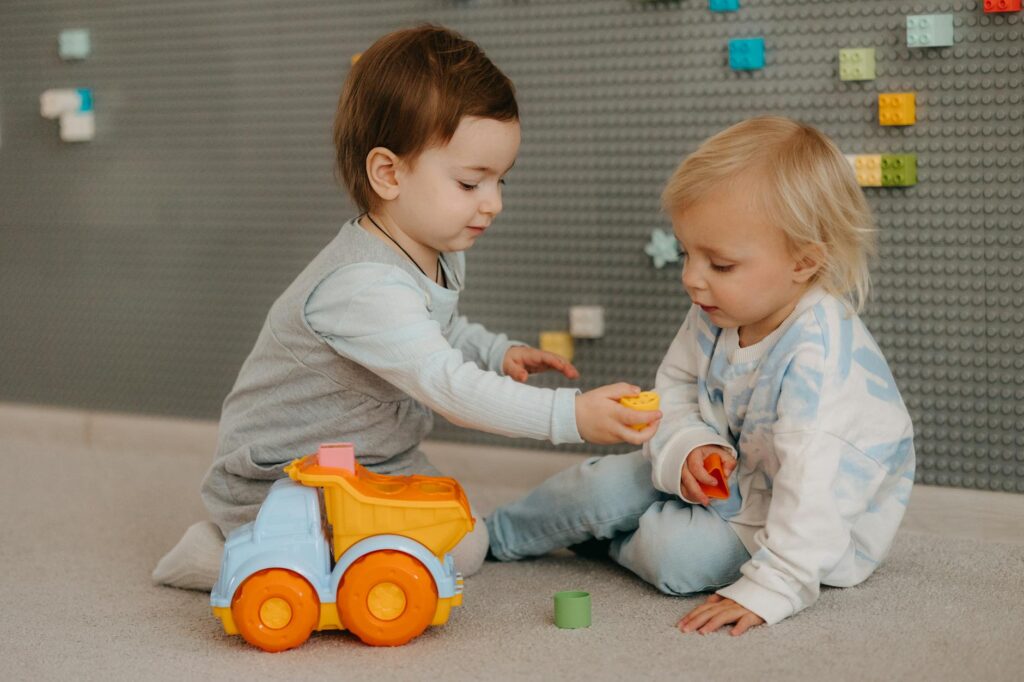
Forcing your kids to share can create a mindset of entitlement. When children believe they can have anything they want just by asking, they might not learn the value of effort.
Instead, allowing kids to navigate sharing on their own teaches them about respecting others’ belongings. This approach encourages empathy and consideration rather than a sense of ownership over everything.
If your child feels entitled to share, they might ignore boundaries set by friends. This can lead to conflicts and frustration, which doesn’t foster healthy relationships.
Balancing sharing with respect for personal space is crucial. You want your kids to learn that sharing should be a choice, not an obligation, to build genuine connections with others.
Undermines Empathy

Forcing kids to share can actually undermine their ability to empathize with others. When you insist they give up their toys, they might focus more on the loss rather than the feelings of their peers.
This pressure can create resentment. Instead of learning to understand and care about someone else’s feelings, they learn to view sharing as a chore.
Empathy develops when children feel secure and can build connections. Allowing them to choose when to share helps them recognize their own emotions and those of their friends.
Giving them the freedom to decide fosters a sense of control. This approach encourages natural empathy as kids begin to understand the give-and-take of relationships without external pressure.
Stifles Independent Problem Solving
When you force your kids to share, it can impact their ability to solve problems on their own. They might rely on you or others to navigate conflicts instead of figuring things out independently.
Children learn important life skills by negotiating and working through their issues. If sharing is enforced, they might miss chances to develop these skills.
Every time they face a sharing situation, they should practice using their voices and establishing boundaries. This helps build their confidence in handling not just sharing, but other challenges they might encounter.
Letting kids decide when and how to share encourages creativity in problem-solving. They can explore different ways to interact with their peers, leading to more meaningful relationships.
Misunderstands Developmental Stages

It’s important to remember that kids go through different developmental stages. Forcing them to share often ignores what they are capable of at a young age.
Toddlers, for example, are still figuring out basic concepts like empathy. They don’t fully understand why another child wants the same toy they’re using. This lack of understanding can lead to frustration.
During early childhood, children are naturally egocentric. They focus on their own needs and desires rather than thinking about others. Expecting them to share when they’re not ready can set them up for confusion.
Each child develops at their own pace. Some may grasp the idea of sharing quicker than others. Allowing kids to grow without pressure can foster genuine generosity in the long run.
Promotes Superficial Generosity

Forcing your kids to share can lead to a kind of generosity that feels fake or forced. They might hand over their toys just to avoid conflict, but that doesn’t teach true kindness.
Instead of learning the value of sharing, they may associate it with discomfort. This can result in them resenting the act of generosity.
When they give up their things without wanting to, they miss the chance to understand why sharing is important. Genuine generosity comes from a place of wanting to give, not from being pressured to do so.
In the long run, teaching kids to share naturally fosters a deeper appreciation for generosity. When kids choose to share, it can lead to sincere connections with others. Letting them grow into sharing at their own pace can make all the difference.
Weakens Intrinsic Motivation

When you force your kids to share, it can take away their natural desire to give. Intrinsic motivation is all about doing something for the joy it brings, not just because someone told you to.
Kids learn to find joy in sharing when they choose to do so. If you push them, they might start to see sharing as a chore instead of something positive.
This shift can make them less likely to share in the future. They may only do it to avoid criticism, rather than from a genuine desire to connect with others.
By allowing your kids to share on their own terms, you help them develop a sense of agency. This encourages true generosity and deepens their relationships with others.
Encourages Possessiveness

When you force your kids to share, it can make them feel like their belongings are under threat. This can create a mindset where they see sharing as losing something important.
Instead of learning generosity, your child might cling more tightly to their toys. They may develop possessiveness, viewing their items as possessions they must protect.
Over time, this mindset can lead to resentment. If a child feels pressured to give up their toys, they might associate sharing with negative feelings.
Encouraging natural sharing allows kids to feel secure with their possessions. This way, they can learn to share at their own pace, fostering genuine generosity without fear.
Strains Friendships
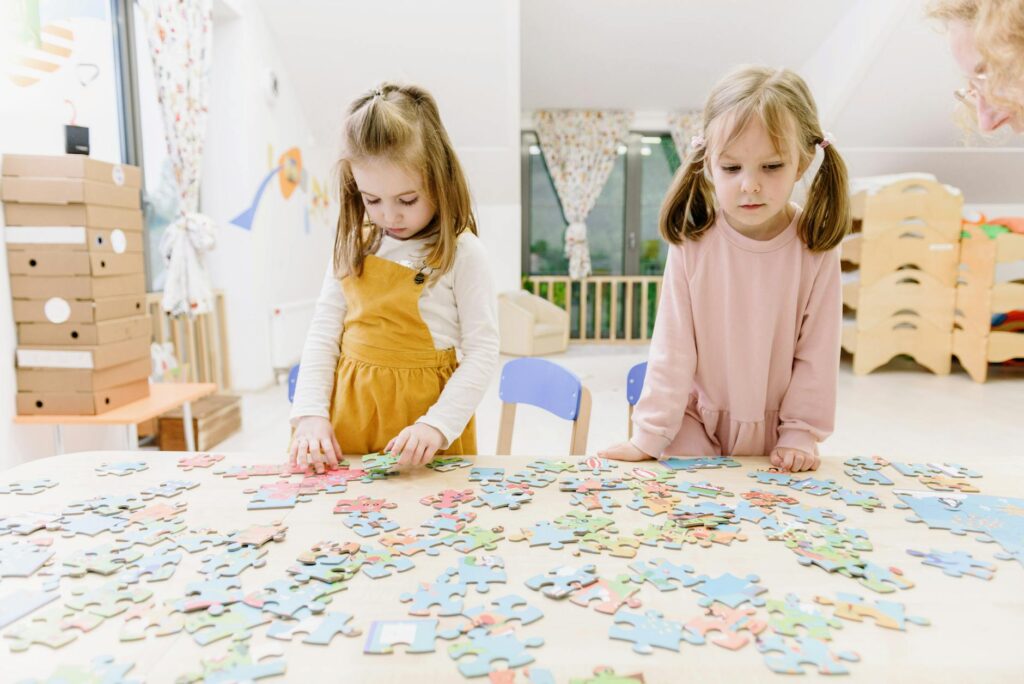

Forcing your kids to share can create unnecessary tension. Instead of fostering genuine connections, it can lead to resentment. Children might feel obligated rather than willing, which strains relationships.
When kids share against their will, they learn negative feelings about friendship. They might associate sharing with pressure, causing them to retreat from social interactions. This could lead to isolation as they avoid situations where sharing is expected.
Friendships thrive on mutual respect and trust. If kids feel forced, they may shy away from friendships altogether. They need the freedom to choose when and how to share, or they might miss out on forming real bonds with peers.
Encouraging natural sharing is more effective. Help your child understand the value of generosity in a healthy way. This approach nurtures friendships rather than strains them. Sharing should come from a genuine desire to connect, not from obligation.
Hinders Emotional Intelligence

Forcing your kids to share can actually limit their emotional intelligence. When you push them to give up their toys or possessions, they miss opportunities to understand their own feelings.
Kids need time to process emotions like frustration or disappointment. If they’re always told to share, they might not learn to express these feelings effectively.
By encouraging natural sharing instead, you help them recognize and label their emotions. This supports their ability to empathize with others and understand social cues, which are vital skills as they grow.
Letting them navigate these interactions helps build their confidence and emotional resilience. Your support in these moments can foster a healthier emotional landscape for them.
Limits Critical Thinking

Forcing your kids to share can actually limit their ability to think critically. When you dictate their interactions, they don’t learn to negotiate or problem-solve on their own.
Instead of figuring out ways to share or take turns, they might just comply with your demands. This doesn’t encourage them to express their feelings or thoughts about sharing.
Kids need to navigate social situations themselves. When they practice, they grow more confident in their decision-making abilities. Providing that space helps them develop essential skills for future interactions.
Encouraging kids to communicate openly can yield better results. It allows them to articulate why they want to keep a toy or how they might offer something in return. This builds empathy and understanding in social settings.
By stepping back, you give your child the chance to learn from the situation. That’s when real growth happens.
Interferes with Social Skills

When you force your kids to share, it can mess with their social skills. They might not learn to engage in conversations about sharing or develop the ability to negotiate.
Instead of understanding the give-and-take of sharing, they might feel resentful. This resentment can hinder their ability to interact positively with others.
By allowing them to choose when and how to share, you’re helping them learn important social cues. They can observe others and figure out the best ways to connect.
Ultimately, this self-guided approach can create more meaningful relationships in their lives. Plus, it encourages empathy rather than compliance.
Discourages Turn-Taking

When you force your child to share, it can actually discourage the practice of turn-taking. Kids might not learn to wait for their turn if they feel pressured to give up their toys immediately.
Turn-taking is an essential social skill. It helps children navigate playdates and group activities more smoothly. If they don’t experience this skill, they may struggle in future interactions with peers.
Instead of pushing sharing, encourage your child to take turns. This fosters patience and teaches them the joy of waiting for their moment to enjoy a toy or game. You can model this behavior in your own interactions, showing how fun it can be to share time and experiences.
By promoting turn-taking, you’ll create a more positive environment for cooperative play. Children will feel more in control and respected, which can lead to better sharing habits in the long run.