

15 Things Only Parents of More Than One Kid Understand

Life with more than one child is a whole new level of unpredictable. The days are full, the house is never quiet, and you’re always finding yourself in the middle of something unexpected.
You’re constantly trying to meet everyone’s needs, often at the exact same time. There’s no manual for this, but somehow you figure it out as you go.
Mastering the art of dividing attention without guilt!

Your attention gets pulled in every direction. You quickly realize giving each kid 100 percent all the time isn’t possible.
Dividing your focus doesn’t mean you love them any less. You just get better at knowing when one needs a little extra help or a quick check-in.
Sometimes you’re helping with homework while calming down a sibling in meltdown mode. These moments teach your kids patience and understanding, even if you feel stretched thin.
Setting aside focused time for each child helps recharge your connection. Learning to switch gears between their needs becomes second nature.
Juggling sibling fights like a pro referee

Sibling fights can pop up out of nowhere. You get used to stepping back a little, letting them figure things out on their own.
It’s a balancing act—listening to both sides without picking favorites. Sometimes you know the argument is just about getting your attention.
When things get heated, you step in to keep everyone safe. For the smaller stuff, you set clear rules and encourage respect.
You start to see these squabbles as chances to teach patience and empathy. Over time, you notice your kids getting better at working things out together.
Celebrating the rare moments when everyone naps simultaneously

When all your kids nap at the same time, it feels like the world just paused. The quiet is almost shocking.
You finally get a breather. Maybe you sneak in a nap yourself, or just enjoy the peace while it lasts.
It doesn’t happen often, so you really savor it. For a little while, there’s no noise, no fighting, just calm.
These moments become something you look forward to, a tiny slice of calm in your busy day.
Accepting that ‘me time’ is a nostalgic memory

“Me time” starts to feel like a story you tell yourself. You remember what it was like to have a quiet moment alone.
Your days are filled with constant needs and questions. Even a few minutes of silence feels special.
You start to appreciate those tiny breaks—maybe during nap time or when the kids are playing together. Your idea of personal time changes, but it’s still there in new forms.
Instead of waiting for big stretches of alone time, you find joy in the little pauses. Life is loud and hectic, but it’s also full of moments you’ll remember.
Customizing bedtime routines for each child’s unique quirks

Bedtime is different for every kid. One needs a quiet story, another wants to bounce around before bed.
You notice what helps each child settle down. Some want total darkness, others need a nightlight.
You mix and match activities—brushing teeth, reading, or playing soft music—until you find what works. It’s less about a strict routine and more about being flexible.
When you figure out each child’s bedtime needs, evenings go more smoothly. The extra effort pays off when everyone finally drifts off to sleep.
Learning to pack one lunch but three snacks

Packing food for more than one kid means thinking way beyond just lunch. Suddenly, you’re prepping snacks for every possible moment.
Each child has their own favorites, so you’re always trying to keep everyone happy. It’s a puzzle you solve daily.
You look for snacks that are healthy but quick to throw together. Sometimes prepackaged, sometimes homemade—whatever works that day.
Snacks end up being little lifesavers, keeping moods steady and kids fueled through the chaos.
Honing ninja skills for diaper changes on the move

Diaper changes don’t wait for perfect timing or spots. You get creative—sometimes changing a diaper in the car, at the park, or even in a store aisle.
You learn to pack just the essentials and keep them within reach. Holding a baby while managing wipes and diapers becomes a practiced skill.
Distractions like a favorite toy or silly song help keep things calm. You move fast and stay cool, no matter where you are.
After a while, you feel like a diaper-changing ninja, ready for anything your day throws at you.
Using strollers as stealthy shopping carts
Shopping with multiple kids is always an adventure. The stroller quickly becomes your secret weapon.
You stack bags and groceries in the basket or even on the seat when your child is buckled in. It keeps your hands free and your kids close.
You’re careful not to overload it, but you get good at making everything fit. The stroller makes errands just a bit easier.
Navigating aisles takes some practice, but soon it feels like you have a built-in shopping sidekick.
Balancing love equally, even when patience runs thin
Loving more than one child means spreading your attention in ways that feel fair. Some days your patience runs out, and that’s okay.
You notice when one child needs more comfort or space. It’s not about treating everyone the same, but about meeting their needs in the moment.
Letting go of the idea of perfect balance helps. If one kid gets more attention today, you know it evens out over time.
Fairness and kindness matter most, and your kids feel it, even on tough days.
Laughing at the chaos only multi-kid parents truly get

Chaos is part of the package when you have more than one kid. There’s always something wild happening.
You learn to laugh at the messes and the noise. Sometimes, it’s the only way to get through the day.
Random giggles and unexpected teamwork make you see the humor in it all. Laughter becomes your best tool for survival.
You’re not just a parent, you’re a juggler, a referee, and sometimes a comedian. These moments, messy as they are, bring a special kind of joy.
Cherishing spontaneous sibling teamwork moments
Sometimes your kids surprise you by teaming up without being asked. They’re building forts, solving problems, or just playing together.
These moments remind you how strong their bond can be. Watching them cooperate is a little bit magical.
You catch them sharing secrets or helping each other, and it makes all the sibling fights fade away for a while.
These small acts of teamwork become memories you treasure. They’re the heart of family life, happening when you least expect it.
Feeling proud when your kids actually share toys

There’s something special about seeing your kids share their toys. It’s a small moment that can feel like a huge parenting victory.
Watching one child hand over a favorite toy or wait patiently for their turn is a sign they’re learning kindness and patience. These glimpses of generosity remind you that your efforts are making a difference.
Sharing brings siblings closer together. Each time they cooperate, you can almost see their bond strengthening.
You might catch yourself grinning when you see your kids choose sharing over competing. Those small acts mean so much.
Sometimes, sharing just happens. Other times, it takes a gentle nudge, but when it finally clicks, it’s a moment you want to hang onto.
Realizing noise levels are permanently elevated
With multiple kids in the house, silence becomes a distant memory. There’s always a mix of laughter, chatter, and toys clattering from morning until night.
It doesn’t take long to realize the volume never really drops. Even the TV or vacuum adds to the constant soundtrack of family life.
Trying to keep things quiet feels impossible some days. Calm moments are rare and often fleeting.
Eventually, you start paying attention to how loud things get and how long it lasts. This new awareness becomes part of your daily routine.
Organizing playdates that survive sibling rivalry
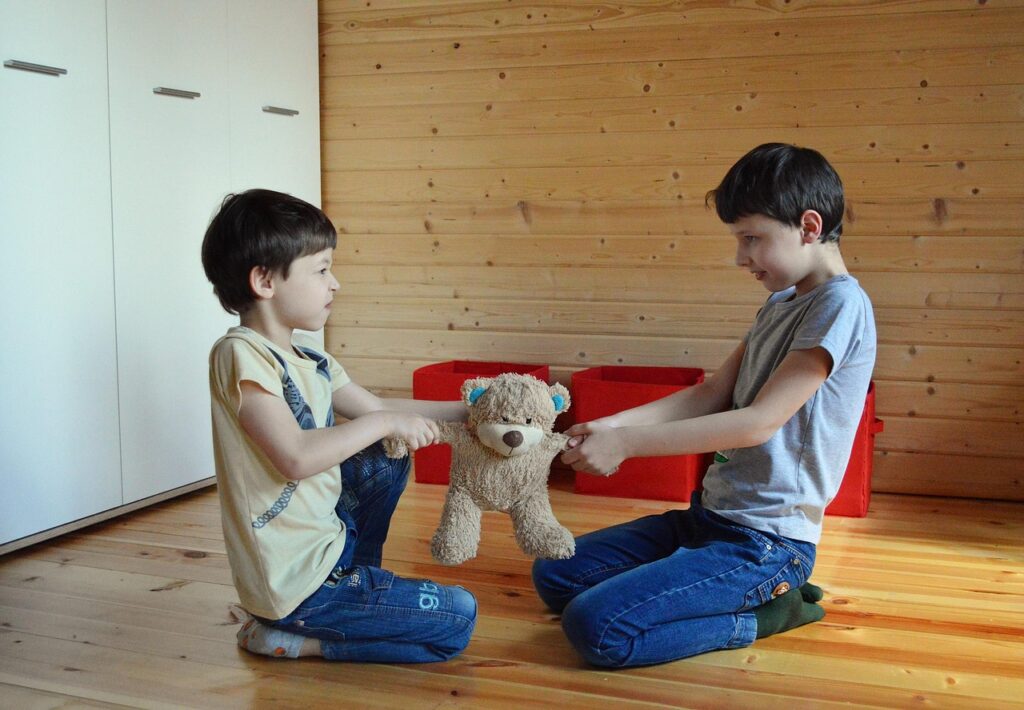
Playdates can feel like a balancing act when your kids don’t always get along. It’s not just about inviting friends but also keeping the peace at home.
Setting a few simple ground rules before friends arrive can help keep things on track. When everyone knows what’s expected, there’s less drama.
Instead of forcing siblings to play together, try encouraging teamwork through group games or small projects. This can help turn rivalry into cooperation.
If you notice jealousy or hurt feelings, a quick break can help everyone reset. Sometimes a little space is all it takes.
Switching up who gets to host or pick the activity can make each child feel included. This helps avoid the “why does that one get all the fun?” arguments.
Playdates are more than just fun—they’re a chance for your kids to practice sharing and working together.
Mastering emergency snack stashes everywhere
Having more than one child means snacks are your secret weapon. Keeping healthy options in your bag, car, and around the house can save the day.
Snacks that last, like nuts, dried fruit, or granola bars, are a lifesaver when hunger strikes unexpectedly. Homemade options that store well are great too.
Organizing snacks in small containers or bags makes it easy for kids to help themselves. Placing them within reach can cut down on constant requests.
With a good snack stash, you’ll notice fewer meltdowns and happier outings.
The Emotional Rollercoaster of Parenting Multiple Kids
Life with more than one child is a wild ride. One minute you’re proud, the next you’re exhausted, and sometimes you feel everything at once.
There are days when sibling arguments test your patience, but those moments of laughter and teamwork make it all worth it.
Balancing Attention Between Children
Splitting your time so each child feels noticed can be a real challenge. Every kid wants to feel important and heard.
Setting aside small moments for each child, like reading together or talking about their day, helps them feel special. Watch for signs if one is feeling left out and step in before it becomes a bigger issue.
A fair routine and clear explanations can help prevent arguments about who gets more attention. It’s all about making sure everyone feels loved, even if the time isn’t perfectly even.
Managing Sibling Rivalries
Arguments between siblings are part of the package. Fights might break out over toys or attention, but these moments help your kids learn problem-solving.
Encourage your children to talk things out instead of yelling. Clear rules about respect and fairness can make a big difference.
Sometimes, letting them work out small disagreements on their own helps build their relationship. Praising teamwork when you see it can shift the focus from fighting to bonding.
Mastering the Art of Family Logistics

Having more than one child turns everyday life into a juggling act. Getting everyone where they need to be, with everything they need, keeps you on your toes.
Coordinating Schedules and Activities
Between school, sports, and other commitments, your calendar fills up fast. Using a shared calendar, whether digital or on paper, helps keep everything straight.
Color-coding each child’s activities makes it easy to see what’s coming up. Syncing with your partner or caregivers can help avoid last-minute scrambles.
Keeping essentials like backpacks and shoes in one spot for each child saves time during busy mornings. Prepping the night before can make getting out the door much smoother.
Mealtime Strategies for Big Families
Juggling meals for a big family can feel like a full-time job. Some days, it seems like someone is always hungry or asking what’s for dinner.
Batch cooking or using a slow cooker lets you get ahead on busy days. These approaches mean fewer pots to clean and less time spent in the kitchen.
Try setting up a rotating menu to cut down on last-minute stress. When everyone knows what to expect, mealtime runs more smoothly.
Let your kids help out with age-appropriate tasks like setting the table or simple meal prep. It can make the process more fun and a little less overwhelming.
Set up snack stations with healthy options so kids can help themselves when hunger strikes. Labeled containers make it easy for everyone to grab what they need without stopping you every few minutes.


