

6 Ways Kids Communicate Stress Without Using Words

Kids have their own ways of showing stress, and it’s not always about what they say. Sometimes, it’s the little things they do or the way they act that lets you know something is off.
If you’ve ever wondered why your child seems different or acts out of character, you’re not alone. Spotting these signs early can make all the difference in helping them feel safe and understood.
Facial expressions showing worry or sadness

A child’s face can reveal a lot about how they’re feeling. Their eyebrows might pull together, or you might see little furrows on their forehead.
Sometimes, their eyes look down or seem smaller when they’re upset. You might notice them biting their lip or trembling a bit.
Their mouth may turn down at the corners, or they might avoid looking at you. These subtle changes are easy to miss but say a lot.
If you notice these expressions, it’s a gentle signal that your child might be stressed. Just being there and asking how they feel can open up the conversation.
Fidgeting or restless movements

Kids often tap their fingers, bounce their legs, or shift around when they’re feeling anxious. Fidgeting is their body’s way of letting out nervous energy.
For some children, especially those with big feelings or ADHD, fidgeting helps them manage what’s happening inside. It might look like they can’t sit still, but it’s often how they cope.
When words are hard to find, their bodies do the talking. Offering a small toy or a chance to move around can help your child manage stress in the moment.
Avoiding eye contact or looking away

If your child starts looking away or avoids making eye contact, it can be a sign they’re overwhelmed. This isn’t about ignoring you, it’s about feeling safe.
You might see them look down or to the side, especially when things get loud or tense. Respecting this space can help them feel more comfortable.
Some kids are naturally shy or need time to warm up in social situations. Gently encouraging, without forcing, can help build their confidence over time.
Using gestures like covering face or biting nails

Covering their face is a common way kids try to hide when they’re stressed. It’s a small gesture, but it shows they want to feel safe.
Biting nails is another sign of nervousness or worry. Even though it seems minor, it can tell you a lot about what’s going on inside.
Watching for these gestures helps you know when your child needs comfort. Sometimes, just noticing and offering a hug can make a big difference.
Changes in tone of voice or sighing heavily

A shift in your child’s voice, maybe it’s softer, higher, or flatter, can be a sign of stress. These subtle changes often show frustration or sadness.
Heavy sighs are another clue. When your child sighs a lot, it’s their way of letting you know something feels overwhelming.
Listening to how they speak, not just what they say, can help you pick up on their mood. Responding with kindness and patience lets them know you’re there for them.
Clinging to a caregiver or seeking comfort

When your child suddenly wants to be close, grabs your hand, or follows you around, it’s their way of asking for reassurance. They might need more hugs or want to be held.
This behavior often shows they’re feeling unsure or scared. Your presence helps them feel safe and supported.
Sometimes, it can feel overwhelming when your child needs you so much. Remember, this is how they ask for help when words are hard to find.
Understanding Nonverbal Stress Signals
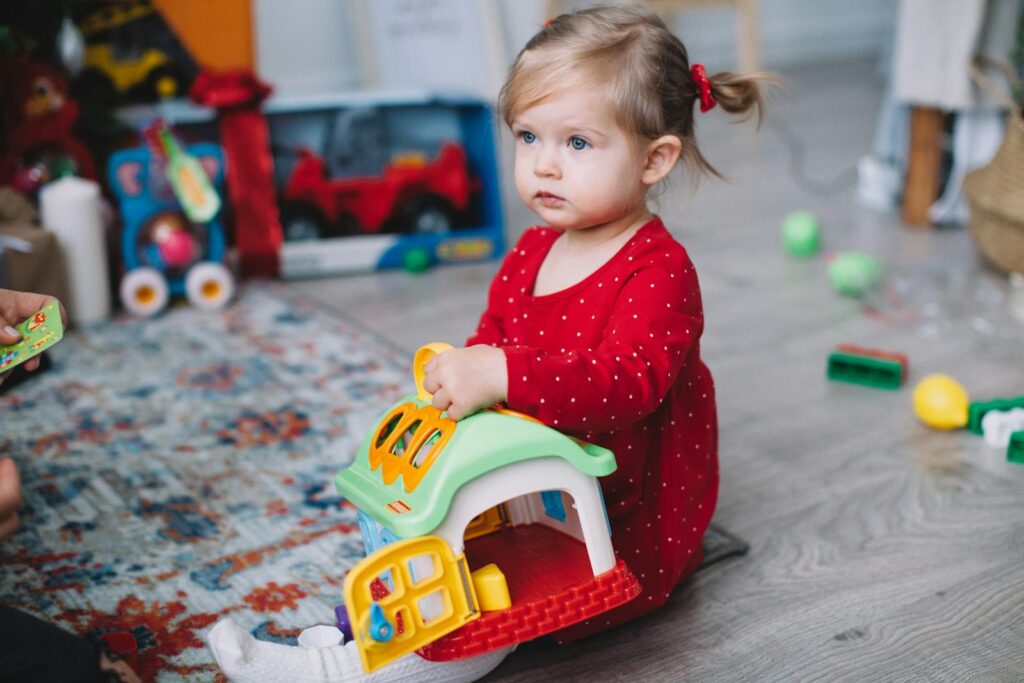
Kids often use actions and body language to communicate feelings they can’t express. Learning to read these signs helps you meet their needs before stress builds up.
Common Misconceptions About Kid Behavior
It’s easy to think your child is just acting out or being stubborn. But many behaviors, like refusing to play or sudden tears, are actually signs of stress or overwhelm.
Fidgeting, avoiding eye contact, or crossing arms aren’t always defiant acts. Often, kids have ways to protect themselves when they feel unsure.
Instead of jumping to conclusions, try offering comfort or space. These actions are clues, not just bad manners.
The Science Behind Stress Responses
When children feel stressed, their bodies might freeze, get jumpy, or slow down. Even small things can trigger these reactions.
You might notice stiff posture, rapid breathing, or less activity. These are ways their body tries to protect them.
Offering reassurance and a calm environment helps your child feel safe. Simple things like deep breaths or quiet time can make a big difference.
Supporting Children Beyond Words
Helping kids manage stress starts with noticing the little things. When you pay attention to their actions, you can support them even when they can’t explain what’s wrong.
Building Trust Through Observation
Watch for changes in your child’s behavior. Do they avoid eye contact, cling to you, or fidget more than usual?
When you notice these signs, stay calm and patient. Let them know you’re there without pushing for explanations.
Sometimes, mirroring their calm movements or sitting quietly together helps them feel understood. Small gestures show your child that their feelings matter.
Trust grows when kids feel seen and safe, even without words.
Creating a Comforting Environment
Ever notice how kids seem to melt into a pile of blankets or instantly relax with their favorite stuffed animal? A calm, cozy space can make a world of difference for your child.
Try setting up a special area with soft blankets, favorite toys, and quiet activities. Keeping lighting dim and noise low can help reduce stress for everyone.
Avoid sudden loud sounds or bright lights since these can startle kids. Gentle, soothing sounds like soft music or nature noises can help set a peaceful mood.
Let your child make small choices in this space, such as picking which toy to hold or what story to hear. When kids have a bit of control, they tend to feel safer and more at ease.







Looking for top-tier CBD ware to elevate your health? You lavatory [url=https://www.cornbreadhemp.com/collections/thc-gummies ]cornbread thc gummies[/url] at once from our bank CBD memory board and enjoy the benefit of double-dyed CBD crude and organic fertilizer draw out. Every pile of CBD is lab-tested, stark, and formulated to shrink day-to-day tenseness patch hike up genial uncloudedness. Whether you want a daybreak CBD encouragement or eve CBD relaxation, our clean CBD formulas fit your quotidian dead. get word high-quality CBD trace, CBD gummies, and CBD topicals built for maximum engrossment. Shop CBD online today for riotous shipping!