7 Popular Grocery Items That Are Wildly Overpriced and How to Save on Them

Ever walk through the grocery store and wonder why your bill is so high, even though your cart looks pretty average? Some products are sneakily expensive, and it’s not always obvious why.
Spotting which items are overpriced can help you keep more cash in your wallet and still get what you need.
Gourmet Bottled Water

Gourmet bottled water has a fancy look and often a big price tag, but most of it is just filtered tap water. You might be surprised by how much extra you’re paying for a label and some packaging.
Switching to a reusable bottle and a home water filter can save you a lot over time. It’s also a win for the environment.
If you enjoy flavored water, toss in some fruit or herbs at home. You’ll get the taste you want without the crazy markup.
Pre-Cut Produce
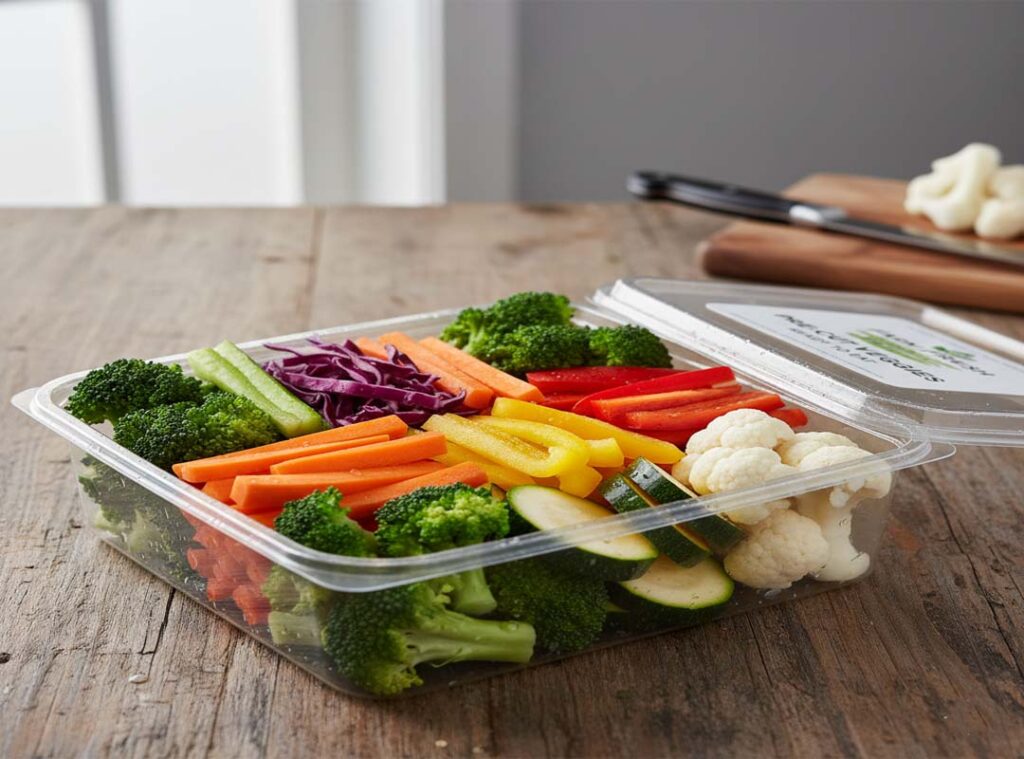
It’s tempting to grab pre-cut fruits and veggies when you’re short on time. But that convenience comes at a steep cost.
Whole fruits and vegetables usually stay fresh longer and cost much less. Doing the chopping yourself is a small trade-off for big savings.
Organic Baby Carrots

Organic baby carrots seem like a healthy pick, but they’re often much pricier than regular carrots. Most of the cost comes from the organic label and the fact that they’re pre-peeled and packaged.
Buying whole carrots—regular or organic—lets you skip the added cost. A few extra minutes with a peeler can make a real difference for your grocery budget.
Premium Brand Cereals

Those bright, familiar cereal boxes can be hard to resist, but name brands usually cost much more than store brands. The difference is mostly in the packaging, not the product.
Store-brand cereals often taste just as good and are made with similar ingredients. Swapping to generics is an easy way to save without giving up your favorite breakfast.
Fresh Baked Artisan Bread

The smell of fresh bread is hard to ignore, but “artisan” loaves at the grocery store are often made from frozen dough. Even though they look special, they come with a premium price.
If you love bread, check if your store bakes in-house or try a local bakery for better quality. Sometimes, regular loaves offer just as much flavor for less.
Single-Serve Coffee Pods

Coffee pods are all about convenience, but they’re much more expensive than brewing a pot or using a French press. If you’re a daily coffee drinker, these costs really pile up.
Switching to ground coffee saves money and cuts down on waste. You still get your caffeine fix and help the planet a little too.
Pre-Sliced Deli Meats

Pre-sliced deli meats are handy for quick lunches, but you’re paying extra for the slicing and packaging. Whole cuts you slice yourself usually cost less and can be fresher.
If you want better quality, ask the deli counter to slice meat for you. You might get a better deal and tastier sandwiches.
Why Are Grocery Items Overpriced?
Some products cost more than you’d expect because of how they get to the store and the choices brands make about packaging and marketing.
Supply Chain Challenges
Products that travel long distances or get delayed can end up costing more. Shipping issues or bad weather can make certain foods scarce and drive prices up.
You’ll notice this most with fresh items like fruits, vegetables, and meat.
Brand Premiums vs. Generic Options
Brands often charge extra for flashy packaging or convenience. But store-brand or generic versions usually offer the same quality.
Choosing generics can help you avoid paying for the brand name and still get what you need.
Tips to Save Money on Groceries
Cutting your grocery bill doesn’t have to mean giving up what you like. A few small changes can make a big difference.
Shopping Seasonal Sales
Buying fruits and veggies in season is usually cheaper and they taste better too. Check store flyers or apps for weekly deals.
Planning meals around what’s on sale can help you save and try new things.
Considering Bulk Purchases
Stocking up on staples like rice, pasta, or canned goods can be a money-saver if you use them often. Just make sure you’ll use everything before it goes bad.
Store bulk foods properly to keep them fresh longer. Freezing extra portions can help cut down on waste.
Leveraging Loyalty Programs
Grocery stores often have loyalty programs that are completely free to join. These programs can unlock special discounts and coupons that are not available to everyone.
You can use digital coupons through store apps connected to your loyalty card. This makes it easy to save money without dealing with paper coupons.
Many loyalty programs also let you earn points as you shop. Later, you can redeem these points for savings on your next trip, especially when you have a bigger shopping list.