7 Reasons More Parents Are Pulling Kids From Organized Sports

In recent years, a noticeable trend has emerged among North American parents: a growing reluctance to enroll their children in organized sports. While youth athletics have long been celebrated for promoting physical fitness, teamwork, and discipline, many families are now questioning whether these benefits outweigh the challenges. As parents reassess their children’s schedules and well-being, the reasons for this shift could reshape the landscape of youth sports.
Changing Priorities
One of the most significant factors driving parents away from organized sports is the increasing emphasis on academic achievement and personal development. Many families are prioritizing schoolwork and extracurricular activities that align more closely with their children’s long-term goals, such as music or art programs. According to a survey conducted by the National Alliance for Youth Sports, parents reported that they believe a well-rounded education is more beneficial than early specialization in sports.
In addition to academics, parents are also placing greater importance on mental health and emotional well-being. The pressures associated with competitive sports—such as intense coaching, travel commitments, and the fear of disappointing others—can lead to anxiety and burnout in young athletes. As conversations around mental health gain prominence, many parents are opting for a more balanced approach to their children’s activities.
Time Commitments
The time commitment associated with organized sports can be overwhelming for families. With practices, games, and travel schedules, parents often find themselves juggling multiple obligations, which can lead to stress and fatigue. Many families are discovering that their weekends are consumed by sports events, leaving little time for family bonding or relaxation.
Moreover, this time commitment can result in a lack of flexibility in family schedules. Parents are increasingly seeking opportunities for leisure activities that allow for spontaneous family outings or downtime. As one parent stated, “We want to be able to take a weekend trip or just spend time together without worrying about whether we have a game to attend.”
Financial Considerations
The financial burden of organized sports is another significant concern for many families. The costs associated with registration fees, uniforms, travel, and equipment can add up quickly. According to a report from the Aspen Institute, the average family can spend over $1,200 annually on youth sports. As inflation and economic uncertainties persist, many parents are reevaluating their budgets and seeking more affordable alternatives for their children’s activities.
Parents are increasingly turning to community-based recreational programs or informal play with friends, which tend to be more cost-effective. These less formal options allow children to enjoy physical activity without the financial strain associated with organized sports leagues.
The Rise of Alternative Activities
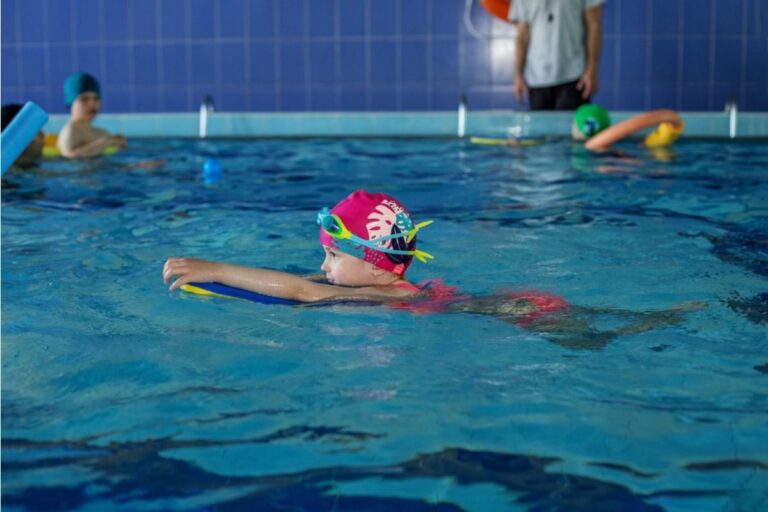
In response to these challenges, parents are exploring a wider range of activities for their children that promote physical fitness without the structured environment of organized sports. Options such as dance, martial arts, swimming, and outdoor adventures are becoming increasingly popular. These activities often provide children with the opportunity to develop skills at their own pace, enjoy social interactions, and engage in physical activity without the high stakes of competition.
Additionally, the trend of unstructured play is gaining traction. Many parents recognize the value of free play in developing creativity, problem-solving skills, and social interactions. Whether it’s riding bikes around the neighborhood or playing tag at the park, unstructured play allows children to engage in physical activity while fostering independence and imagination.
Rethinking Competition
The competitive nature of organized sports has also come under scrutiny. While some parents appreciate the lessons learned through competition, others argue that the pressure to win can overshadow the fundamental purpose of sports: enjoyment and personal growth. Family discussions often center around the idea that sports should be fun and accessible, rather than an all-consuming pursuit of excellence.
As a result, some parents are seeking out leagues that prioritize fun over competition, where the focus is on participation and learning rather than winning trophies. This shift reflects a desire for children to develop a lifelong love of physical activity, rather than a fear of failure.
Community and Connection
For many families, the sense of community that organized sports once provided is now found in different forms. Parents are fostering connections through local recreational events, family fitness challenges, and community gatherings. These opportunities allow families to engage in healthy activities together while building relationships with other families in their neighborhoods.
By prioritizing community engagement, many parents are finding fulfillment in an environment that promotes support and camaraderie without the pressures of organized sports. “We’ve found a local hiking group that welcomes families,” shared one parent. “It’s a great way for us to stay active together and meet other families who feel the same way.”
A New Era for Youth Activities
As more parents choose to step back from organized sports, a new landscape for youth activities is emerging. The focus is shifting from competition and structured schedules to a more holistic approach that values well-being, community, and the joy of movement. This trend reflects a broader cultural shift in how families view childhood, emphasizing balance, connection, and personal growth.
While organized sports will likely remain a staple in many communities, the increasing number of families opting for alternative activities signals a change in priorities. As parents continue to navigate these decisions, the conversation around youth athletics will undoubtedly evolve, paving the way for a new era of youth engagement in physical activities.
By embracing a variety of options, parents are not only nurturing their children’s physical fitness but also fostering a lifelong appreciation for healthy living. The future of youth sports may look different, but it holds the potential to create a more inclusive and enjoyable environment for children of all backgrounds.