

7 Common Kid Behaviors You Shouldn’t Mistake for Misbehavior

Every parent has those moments where their child’s behavior just doesn’t make sense. You might wonder if your kid is acting out on purpose, but sometimes what looks like misbehavior is just a normal part of growing up.
Kids have their own ways of exploring the world and expressing themselves. If you can spot the difference between mischief and development, it can make family life a lot less stressful.
Exploring Boundaries to Understand Rules

Kids love to see how far they can go. Testing limits is their way of figuring out what’s allowed and what isn’t.
They are learning about personal space and how to interact with others. When your child pushes boundaries, it shows curiosity and a desire to understand their environment.
You can teach them about boundaries by talking about respect and feelings. Encouraging questions helps them learn healthy limits and builds trust between you.
Expressing Feelings Without Words

Sometimes, kids just don’t have the words for what they feel. Their actions become their voice, especially when they’re overwhelmed.
You might see frustration or sadness come out as tantrums or stubbornness. This is normal while their emotional vocabulary is still developing.
Watch their body language and listen for what they might be trying to say. Responding with patience shows them how to put feelings into words over time.
Encouraging your child to pause and think about their emotions helps them grow. With your support, they’ll start using words instead of actions to share what’s on their mind.
Testing Independence and Control
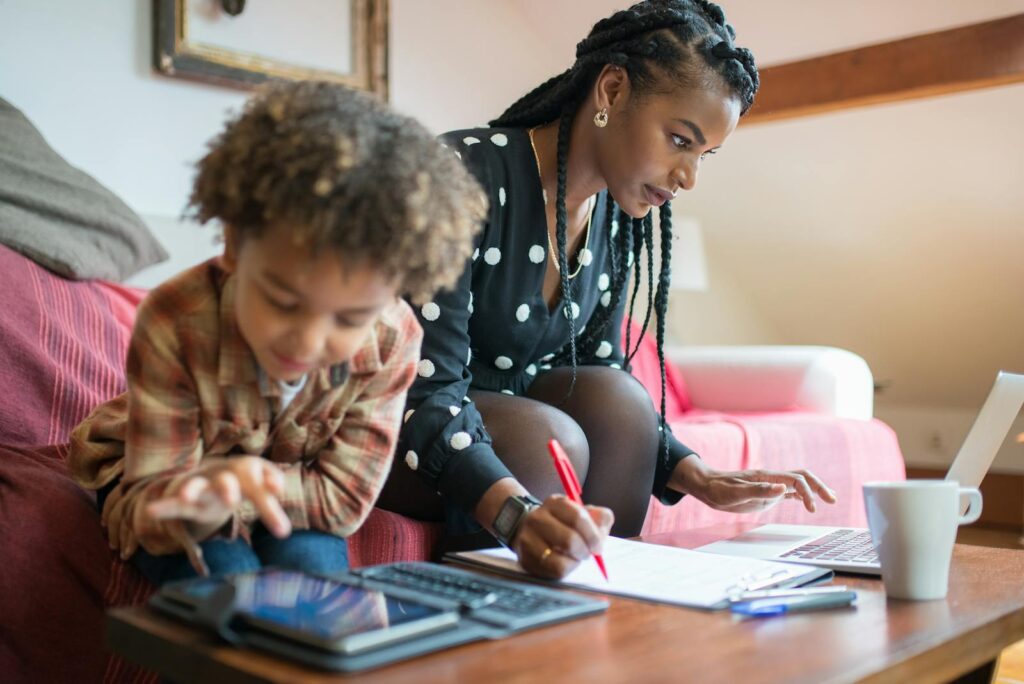
If your child says “no” a lot or argues, they’re probably just looking for some control. Wanting to make choices is a big part of growing up.
When your child challenges rules, they’re learning where they stand. This is how they build confidence and decision-making skills.
Offer small choices, like picking out clothes or snacks. It gives them a sense of independence and shows you trust their judgment.
Testing limits isn’t rebellion; it’s practice for making decisions in the real world. Supporting this helps them become more capable and secure.
Seeking Attention in Playful Ways

Kids crave your attention, especially during play. Sometimes, they act silly or make noise just to see if you’ll join in.
They want to share their creativity and have you notice their fun side. This is their way of connecting and showing you they care.
Joining their games or laughing along builds a stronger bond. Playful attention-seeking is normal and helps kids practice social skills.
Try to enjoy these moments, they’re invitations for connection and joy.
Reacting to Stress or Big Life Changes

Big changes like moving or starting a new school can shake up your child’s world. Acting out is often their way of showing stress or confusion.
You might notice more clinginess, trouble sleeping, or even anger. These are signs your child is trying to cope with feelings they can’t explain yet.
Keeping routines steady and talking openly helps them feel safe. Let your child know it’s okay to feel upset or scared.
Your support helps them adjust and learn to manage big emotions.
Experimenting with Cause and Effect
Ever wonder why your child keeps dropping things or knocking over towers? They’re not being naughty, they’re experimenting with how things work.
Kids want to see what happens when they take action. It’s their way of learning about the world and how it responds.
Turn these moments into learning opportunities. Try simple games that let them safely explore cause and effect, like pressing buttons or making sounds.
Experimenting in this way builds problem-solving skills and curiosity.
Struggling to Communicate Needs Clearly

Sometimes, kids act out because they can’t say what they need. If they’re frustrated, it might be because words just aren’t coming easily.
You might see tantrums or refusal to cooperate. These behaviors are often their way of reaching out for help.
You can teach simple ways to express needs, like using pictures or gestures. Being patient and paying attention to their signals makes a big difference.
Supporting their communication helps them feel understood and more in control.
Why Understanding Child Development Matters
Knowing how your child’s brain grows and how they handle emotions helps you see beyond the surface. It gives you clues about what’s really going on and how to respond with patience.
The Role of Brain Development
Your child’s brain is always changing, especially in the early years. Some parts develop faster than others, so self-control and understanding feelings take time.
That’s why your child might act impulsively or have trouble focusing. It’s not on purpose—it’s just part of growing up.
Clear rules and routines help their brains learn what’s expected. Mistakes are part of building those connections, not a sign of bad behavior.
Emotional Regulation in Kids
Big feelings like anger or sadness can be hard for kids to handle. Without the right tools, these emotions might come out as misbehavior.
When your child is overwhelmed, staying calm and naming their feelings helps. Saying things like “I see you’re angry” teaches them to recognize and manage emotions.
Learning to calm down and express themselves takes practice. Your patience is key as they figure it out.
How to Support Positive Behavior
Helping your child develop good behavior starts with clear communication and understanding feelings. These steps build trust and important life skills.
Effective Communication Techniques
Speak calmly and use simple words to explain what you expect. For example, “Please put your toys away before dinner” is clear and easy to understand.
Show your child you’re listening by nodding or repeating what they say. Feeling heard helps them open up.
Praise specific positive actions, like sharing or helping out. This encourages your child to keep trying their best.
Encouraging Self-Awareness
Ever notice your child get upset over something small, like not getting a toy? You can help them put words to those feelings by saying, “I see you’re upset because you can’t have the toy right now.”
This helps them start connecting their emotions to what’s happening around them. It’s a small step, but it can make a big difference.
Show your child simple ways to calm down, such as taking deep breaths or counting to five. These tools give them something to do when big feelings show up.
Try using stories or playtime to act out different emotions and choices. Kids often learn best when it feels like a game.
Making these moments part of your daily routine can help your child feel more in control and confident as they grow.


