

9 Parenting Habits That Predict Happier Teens

Parenting teens can sometimes feel like riding a rollercoaster. Some days are smooth, while others test your patience and creativity.
It’s normal to wonder if you’re doing enough to help your teen feel happy and secure. The way you connect, set boundaries, and support them shapes their confidence and outlook on life.
Practice balanced parenting by adjusting rules as teens mature

Teens need more freedom as they grow older. Balanced parenting means adjusting rules gradually.
When your teen proves they’re responsible, you can loosen some limits. This helps them build independence.
Every teen is unique, so what works for one might not work for another. Pay attention to how your teen handles new freedoms.
If your teen makes good choices, you can trust them more. If not, it’s okay to tighten boundaries for a while.
Even as your teen gains more control, your guidance is still important. Keep talking and listening so they feel safe and understood.
Encourage open communication to build trust and understanding

Open communication helps your teen feel safe coming to you with anything. When they know you won’t judge, trust grows.
Be emotionally available and listen without interrupting. Show you care about their thoughts, even if you see things differently.
Let your teen know their opinions matter. Respecting their point of view supports their confidence and independence.
Listening is just as important as talking. When you respond kindly, your relationship gets stronger.
Give teens chances to practice responsibility and independence

Letting your teen take on small responsibilities helps them grow. Tasks like doing homework or making a meal teach valuable life skills.
Give your teen choices and let them face the results. Deciding how to spend free time or manage money helps build independence.
As your teen shows maturity, you can adjust rules. Letting them stay home alone or go out with friends shows trust.
Encouraging your teen to tackle real-life challenges prepares them for adulthood. These opportunities help them become more confident and responsible.
Show consistent empathy and listen actively to their concerns

Empathy makes a huge difference in your teen’s life. When they talk, give them your full attention.
Active listening means focusing on what they say without judging. Your teen will feel heard and respected.
Respond with kindness and let them know their feelings matter. This builds trust and encourages honest conversations.
Try to see things from their perspective. Simple phrases like “That sounds tough” show you care.
When your teen feels safe sharing, your relationship grows stronger. Empathy helps them feel happier and more secure.
Foster healthy emotional expression and validate their feelings

Encourage your teen to talk about their feelings openly. Listen without interrupting so they know you care.
Validating emotions is important, even if you don’t fully understand them. Saying “I get why you feel that way” helps build trust.
Create an environment where your teen doesn’t fear judgment. Acceptance helps them open up and handle emotions in a healthy way.
Teaching emotional awareness helps your teen communicate better and build strong friendships. These skills help them cope when life gets tough.
Set clear expectations while allowing room for mistakes

Setting clear rules helps your teen know what’s expected. This builds confidence and gives them a sense of security.
Let your teen make mistakes and learn from them. Mistakes are part of growing up.
Balancing structure with flexibility teaches responsibility. Show your teen you trust them, even when they stumble.
Keep expectations fair and age-appropriate. Talk about rules openly so everyone stays on the same page.
Support teens in developing new life skills continuously

You have a big impact on your teen’s ability to handle life. Skills like time management, handling money, and problem-solving are essential.
Encourage your teen to try new things often. Making mistakes is part of learning and helps them become more independent.
Let your teen help with family plans or manage their own schedules. Celebrate small successes to keep them motivated.
Supporting your teen’s growth builds resilience. The skills they learn now will help them throughout life.
Promote positive mindset shifts to handle teenage challenges

Help your teen view challenges as opportunities to learn. Guide them to ask, “What can I learn from this?”
Encourage your teen to focus on what they can control. This reduces stress and helps them face tough situations.
Model a positive mindset by staying calm and hopeful during stress. Share your own growth stories.
Celebrate progress, not just perfection. Recognizing effort keeps your teen motivated.
Remind your teen that setbacks are part of growing. Let them know you believe in their ability to bounce back.
Spend quality time together to strengthen your bond
Quality time with your teen doesn’t have to be complicated. Even a few minutes a day can make a difference.
Simple moments, like chatting after school or playing a game, show your teen you care. These interactions help them feel valued and safe.
Mix fun activities with quiet time together. Go for a walk, watch a movie, or talk before bed.
Being present means putting away distractions and focusing on your teen. This kind of attention builds a strong, lasting bond.
The Science Behind Happy Teens
Teen happiness is shaped by both parenting approaches and the skills teens develop. Supportive parents and emotionally aware teens create a positive foundation for well-being.
Research on Parenting and Adolescent Well-Being
Studies show that parental warmth and support for independence make a big difference. When teens feel loved and trusted, they handle stress better.
Giving teens space to make choices builds confidence and problem-solving skills. These habits are linked to better mental health and less risk of depression.
Teens who get enough sleep are often happier, so encourage healthy sleep routines.
Key habits to focus on:
- Show affection
- Listen without judging
- Let your teen make decisions
- Encourage good sleep habits
Emotional Intelligence in Teen Development
Teens who understand and manage their emotions are generally happier. Emotional intelligence helps them avoid mood swings and deal with pressure.
Talk openly about feelings and help your teen name their emotions. This practice reduces anxiety and strengthens relationships.
A teen with strong emotional intelligence can manage stress, communicate well, and recover from setbacks.
Supporting your teen’s emotional growth sets the stage for lasting happiness.
Creating a Positive Home Environment
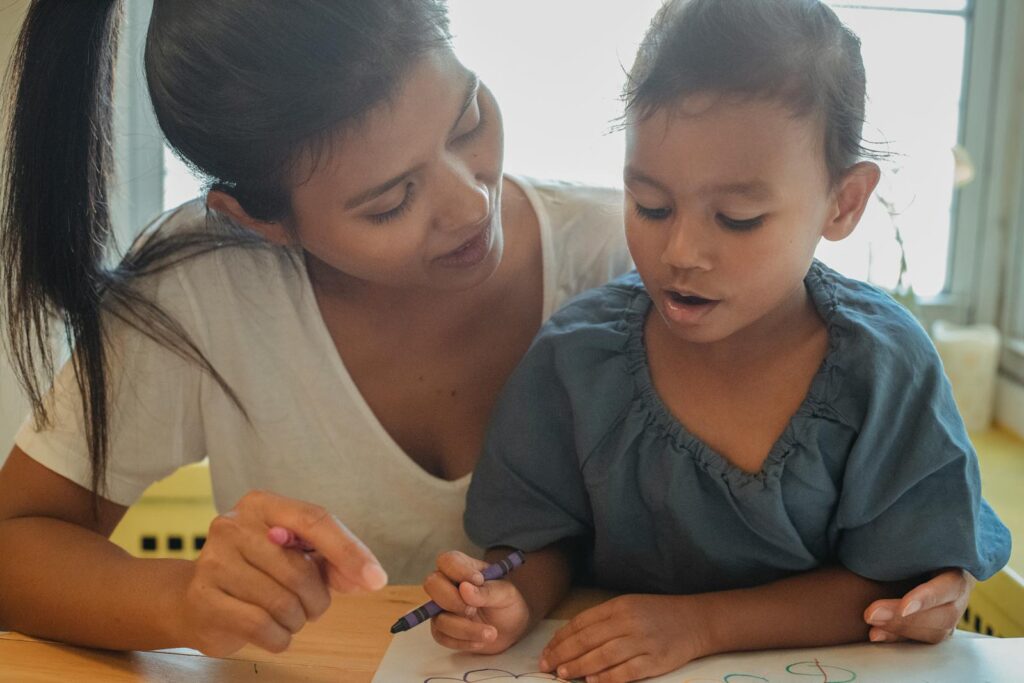
A positive home helps your teen feel safe, respected, and supported. The way you talk and interact matters.
Communicating with Compassion
Focus on listening more than talking when your teen shares. Repeat what they say or ask gentle questions to show you understand.
Use calm, kind words, even when setting rules or correcting behavior. Avoid harsh criticism so your teen feels comfortable opening up.
Regular conversations, even about small things, build a habit of open communication. When your teen knows you listen, they’re more likely to share their worries and successes.
Balancing Independence and Guidance
Teens crave more say in their lives as they grow older. Giving them chances to make choices, like picking extracurricular activities or managing their homework schedule, helps them learn responsibility and feel trusted.
Setting clear boundaries is important for their safety and well-being. Take time to explain these limits so they know why they exist.
Let your teen share their thoughts or suggest changes. This shows them that their opinions matter.
Offer support without stepping in to fix every issue. Be available for advice, but encourage your teen to find their own solutions.
When you strike the right balance between freedom and guidance, your teen gains confidence and valuable problem-solving skills.





References:
Sugar Hill Casino Bonus ohne Einzahlung https://www.rusnor.org/bitrix/redirect.php?goto=http://images.google.bt/url?q=https://instantcasinodeutschland.de/
References:
Truefortune Casino Einzahlung pinki.nbbs.biz
References:
Total Casino Auszahlung https://forum.kurs.expert:443/proxy.php?link=https://ekardz.com/montegunter925
References:
Verde Casino Einzahlung https://rpms.ru/action.redirect/url/aHR0cDovL3plbml0aGdycy5jb20vZW1wbG95ZXIvYmVzdGUta3J5cHRvLWNhc2lub3MtMjAyNi1pbS10ZXN0LXVuZC12ZXJnbGVpY2gv
References:
Steak Casino Test http://ynmz.yn.gov.cn/index.php/addons/cms/go/index.html?url=https://raovatonline.org/author/galegooge34/
References:
Neosurf Casino App https://drdrecruiting.it/employer/1go-casino:-online-slots,-live-casino-mit-echtem-geld/
References:
Seminole hard rock casino tampa https://1gocasinotest.onlinespielhallende.workers.dev/
References:
Joo Casino Bonus ohne Einzahlung https://fresh-jobs.in/employer/instant-casino-app-schnell-spielen-ohne-download/