A Kindergarten Teacher Says Parents Think She’s “Shy, Quiet and Dry,” but Her Students Know a Completely Different Teacher

A person shared her story after a meet-the-teacher event left her feeling far more discouraged than she expected. This was her fourth year teaching, and she loved working with kindergarten students. But by the end of the event, she was once again reminded of the one part of teaching that always seemed to make her feel awkward.
The problem was not the classroom, lesson planning, or connecting with children. She felt confident and comfortable with her students, who regularly saw her warm and caring side. The difficult part began whenever the adults walked into the room.
The Same Reputation Followed Her Every Year
Over time, the teacher had heard what some parents apparently thought of her. According to the talk she had heard, she was known for being “shy, quiet and dry.” Those three words bothered her more than she wanted to admit.
She did not see herself as someone who was trying to be cold or unfriendly. In fact, she made a genuine effort not to come across that way. Yet somehow, her interactions with parents continued leaving them with an impression she did not want.
Kindergarten Came With Its Own Expectations
The teacher felt that working with kindergarten students made the situation even more difficult. Parents often seemed to expect a kindergarten teacher to be endlessly cheerful, sweet, bubbly, and ready to make conversation. She could easily provide warmth and enthusiasm for her students, but performing that same personality for adults felt unnatural.
She did not want to fake who she was simply to make parents feel entertained. At the same time, she worried that being quiet and straightforward made parents disappointed when they discovered she would be teaching their child. That thought made her question whether her natural personality was somehow becoming a professional problem.
Her Students Never Seemed to Have This Problem
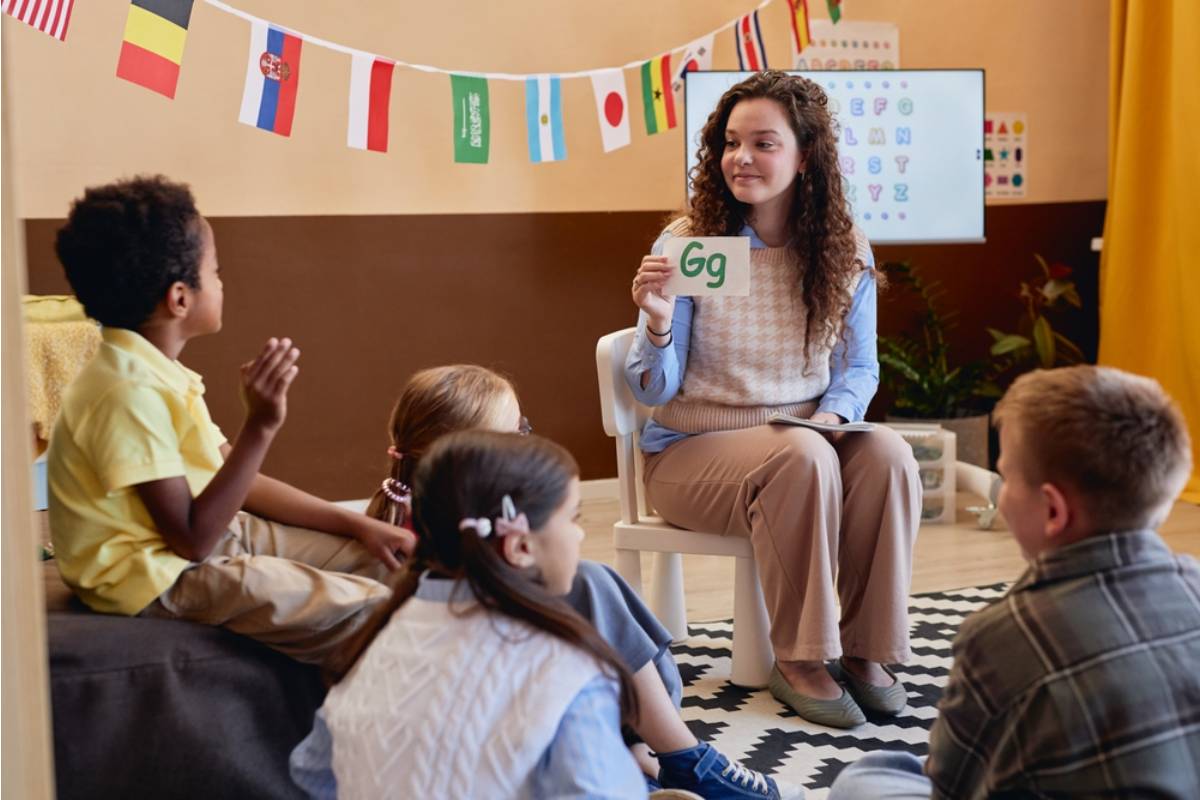
The strange part was that children did not see her the same way adults did. She described herself as warm, loving, and comfortable with her kindergarten students. In the classroom, she knew how to connect with them without forcing anything.
She loved the age group and genuinely loved what she did. There was no awkward act to perform when she was teaching children. Somehow, the person who could easily build relationships with an entire classroom could become completely blank when facing one parent.
Adults Made Her Forget How to Make Small Talk
When conversations shifted toward parents, the teacher often felt herself freezing. She struggled to know what to say beyond the necessary information. Small talk, casual conversation, and relationship-building suddenly felt like skills she had never properly learned.
She could spend an entire day responding naturally to children’s questions and stories. But a parent standing in front of her could make her mind go completely blank. The contrast was so dramatic that she could not help wondering why adults were so much harder for her than five-year-olds.
She Did Not Want to Become a Performer
The teacher made it clear that she was not looking for advice on how to become fake. She did not want to entertain parents or pretend to have a personality that did not belong to her. What she wanted was a way to present herself more comfortably without feeling like she was putting on a show.
That created a difficult balance. She wanted parents to know she cared deeply about their children. But she did not want to exhaust herself trying to become the loudest and most energetic adult in every conversation.
The Fear Was About More Than Being Awkward
Her concern was not simply that she disliked small talk. She worried about what parents might assume because of her quiet personality. A teacher can be deeply caring, attentive, and excellent in the classroom, yet first impressions can sometimes form before parents see any of that.
The teacher hated the idea that a parent might feel disappointed simply because she was not particularly chatty. She was straightforward and direct, but that did not mean she cared any less about the children in her classroom. Unfortunately, explaining that through a first impression was much harder than simply teaching.
A Response From a Person Offered Reassurance
One response from a person described a kindergarten teacher who was also shy and reserved. That teacher sometimes appeared uncomfortable around adults and had a naturally quiet personality. Yet she had continued teaching kindergarten successfully for more than two decades.
The response made one point especially clear: what mattered most was how she taught in the classroom. A teacher did not have to become a social performer to be good at working with children. Being reserved with adults did not automatically mean being distant from students.
Another Person Said She Might Be Too Hard on Herself
A response from a person suggested that the teacher might be judging herself more harshly than the situation deserved. The teacher was focused on a few words she had heard about herself, but those words might not represent what most parents actually thought. If she was effective and caring in the classroom, that was ultimately what mattered.
Still, the teacher’s feelings made sense because teachers often know how quickly parents can form opinions. A brief awkward conversation can sometimes feel much bigger to the person experiencing it than it does to everyone else. Her reputation may have felt permanent even if most parents barely thought about it after leaving the classroom.
One Teacher Had the Same Problem
A response from a person who also worked with kindergarten students immediately understood the situation. That teacher said she could be phenomenal with children while still feeling awkward and uncomfortable around parents. Sometimes, she simply clammed up when trying to make conversation.
Her solution was surprisingly simple. Parents usually loved talking about their own children, so she used that as a natural starting point. Asking what a child said about school or sharing a small positive moment from the day could quickly turn an awkward exchange into a real conversation.
Children Could Become the Easiest Conversation Starter
This advice made sense because the teacher already knew her students well. She did not need to invent an artificial personality or memorize complicated small talk. She could simply talk about something she had genuinely noticed about the child.
A parent might enjoy hearing that their child had fun on the playground, showed kindness to another student, or became excited about a particular activity. Those details did not require the teacher to become bubbly or performative. They simply showed that she had been paying attention.
Parents Mostly Wanted to Know Their Child Was Seen
A response from a person who was also a parent offered another useful perspective. According to that person, parents often enjoyed hearing teachers talk enthusiastically about activities and projects happening in the classroom. They especially appreciated knowing that a teacher genuinely noticed their child’s personality.
A teacher did not need to deliver a perfect speech. Sometimes a small story about a child’s funny habit or favorite activity could say more than endless polite conversation. Parents wanted reassurance that their child was known as an individual rather than simply being another name on a class list.
Her Quiet Personality Might Not Be the Real Problem
The more people responded, the more one theme appeared. There was nothing inherently wrong with being shy, quiet, or straightforward. The teacher had started treating those traits as flaws because she feared parents expected something else.
But not every excellent kindergarten teacher needed the same personality. Some teachers were loud and bubbly, while others were calm and gentle. Children and families could benefit from many different kinds of adults.
Trying Too Hard Could Create a New Problem
A response from a person warned that constantly trying to become someone else could lead to burnout. If the teacher spent every interaction forcing herself to act cheerful and outgoing, the job could become much more exhausting than necessary. The pressure to perform could eventually damage the confidence she already had in the classroom.
Being genuine was often easier than maintaining an act. The challenge was not to become a different person. It was to find small ways for her real warmth to become visible to parents.
The Warmth Was Already There
The teacher had already proven that she could build relationships. Her students clearly experienced a warm and caring version of her every day. The personality parents saw was not necessarily colder, but it was probably more nervous and guarded.
That meant she might not need to create warmth from nothing. She might only need to find ways to let parents see the warmth she already showed their children. A smile, a greeting, and one specific observation could be enough to open that door.
A Small Routine Could Make Things Easier
One response from a person suggested greeting parents warmly whenever possible. A smile and a simple hello could establish a friendly tone before the teacher felt pressured to say something more complicated. From there, she could share one thought about the child if something naturally came to mind.
Having a small routine could also reduce the pressure of improvising. The teacher did not have to suddenly become an expert at conversation. She could simply rely on a few comfortable ways to start interactions.
Parents Loved Talking About Their Children
One teacher suggested asking parents what their child said about school after coming home. Another easy topic could be family plans for an upcoming holiday, break, or weekend. These questions allowed parents to speak about subjects they already cared about.
The teacher would not need to carry the entire conversation herself. She could ask one sincere question and listen. For someone uncomfortable with small talk, curiosity could sometimes be much easier than performance.
She Could Also Share Small Classroom Moments
The teacher could keep mental notes about simple positive moments during the day. Perhaps a student proudly completed an activity, helped a classmate, or spent the entire recess laughing on the playground. These moments could become easy conversation starters when parents arrived.
The stories did not need to be important or dramatic. In fact, small details could be especially meaningful because they showed parents that their child had been noticed. A few sincere sentences could accomplish more than a long attempt at forced conversation.
Tough Conversations Were Another Reason to Build Trust
One response from a person explained that talking with parents was often their least favorite part of teaching as well. Still, putting effort into positive interactions could become useful later. If a difficult conversation needed to happen, an existing relationship could make the discussion easier.
The teacher did not need to become close friends with every parent. She only needed to establish enough trust for parents to understand that she cared about their child. Even a quiet teacher could build that kind of trust over time.
Some People Saw No Problem With Being Reserved
A response from a person asked a simple question: what was actually wrong with being shy, quiet, or dry? The teacher had been assuming those descriptions were automatically negative, but they could also simply describe a more reserved personality. Not every person needed to fill silence with conversation.
Trying to eliminate every trait that someone else disliked could become impossible. There would always be parents who preferred a different style. The teacher could spend years chasing approval and still encounter someone who thought she was not friendly enough.
The Adults Might Be the Hardest Part of the Job
Another teacher admitted that adults could be more difficult than children. They described themselves as bubbly and outgoing with students but completely unsure how to interact with the students’ families. The difference was comforting because it showed that the problem was not unusual.
Children often say exactly what they mean and respond to genuine warmth. Adults can bring expectations, judgments, and assumptions into even the shortest interaction. For a quiet person, that extra pressure can make every conversation feel like an evaluation.
A Response From a Person Blamed Adult Judgment
One response from a person jokingly said that adults could be exhausting and judgmental. The comment was humorous, but it touched on something the teacher had clearly been feeling. She was not worried about whether five-year-olds liked her personality.
The anxiety appeared when she imagined adults quietly forming opinions about her. She knew she could not control what every parent thought, but hearing that people had described her as “shy, quiet and dry” had made those judgments feel especially real.
The Twist Was That She Was Already Doing the Hard Part
The teacher had been worrying that she needed to learn how to become more friendly. But the responses suggested she might already possess the most important quality parents wanted. She cared about the children and knew how to connect with them.
Making small talk with adults was a skill that could be improved with simple habits. Loving and supporting an entire classroom of young children was arguably the much harder skill. The teacher had spent four years proving she could do that.
She Did Not Have to Choose Between Being Herself and Being Warm
The biggest lesson was that the teacher did not need to become a completely different person. She could remain quiet, direct, and reserved while still making parents feel welcome. Warmth did not have to mean becoming loud or endlessly chatty.
A sincere greeting and a small observation about a child could communicate far more than a forced performance. She could build relationships in a way that matched her own personality. The goal was not to entertain the parents but to help them see the caring teacher their children already knew.
Her Students May Have Been the Best Evidence All Along
In the end, the teacher’s strongest evidence was sitting in her classroom every day. She loved her work, loved her students, and knew how to make young children feel safe and cared for. Those relationships did not happen because she performed for them.
Perhaps parents would eventually see that same side of her once they had more opportunities to interact with her. First impressions could be awkward, but a school year gave people plenty of time to discover who she really was. The teacher may have walked away from meet-the-teacher night feeling deflated, only to realize later that being quiet was never the same thing as being uncaring.