A Mom Says Her 16-Month-Old Plays Happily for Hours, But She Still Feels Trapped Because She Can’t Look Away Long Enough to Read

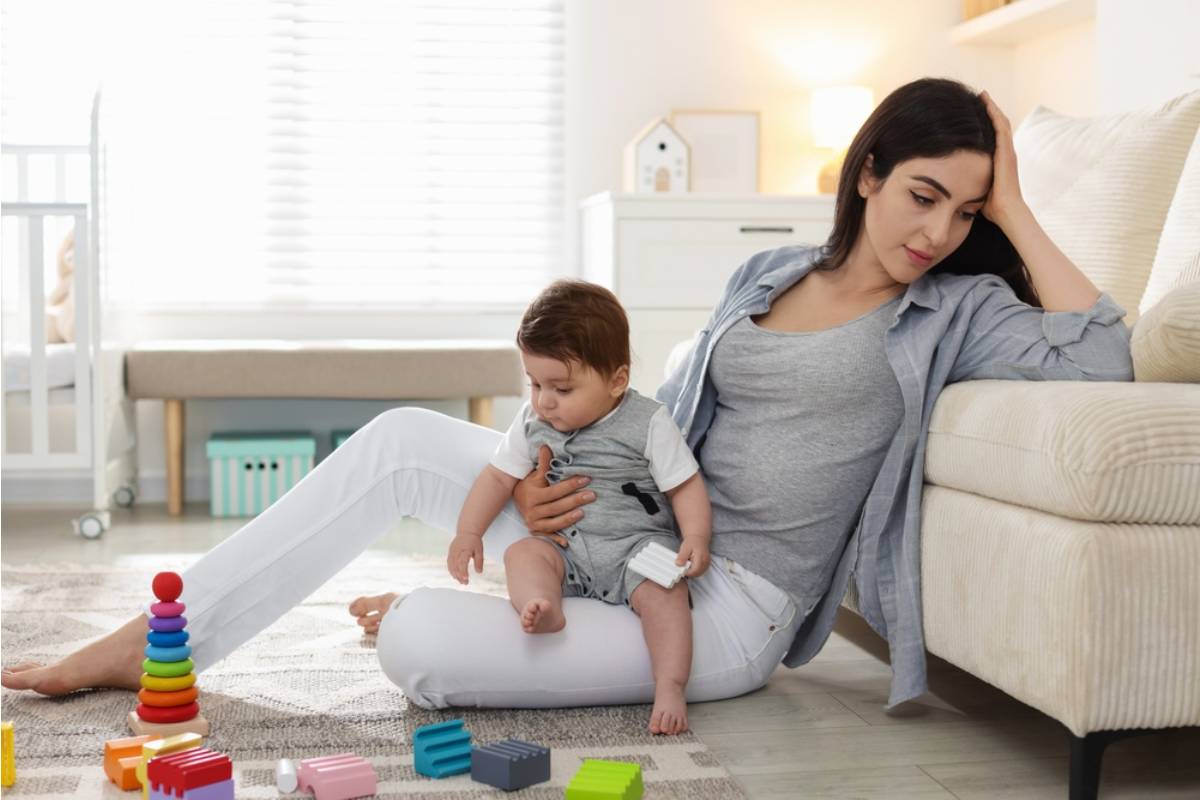
The weekend was supposed to be easier. Her 16-month-old daughter was unusually good at playing independently, the house was mostly baby-proofed, and the usual weekend chores were getting done without much drama. Yet instead of feeling lucky, the mother found herself staring at the same familiar problem: what exactly was she supposed to do while her toddler happily played?
The Strange Problem of Having Free Time
A person shared his story about a weekend parenting problem that sounded almost too unusual to complain about. His 16-month-old daughter could entertain herself for long stretches, which meant there was no constant demand for games, songs, or attention. The trouble was that this created a strange kind of downtime where the mother was still responsible for watching her, but had nothing obvious to do herself.
She explained that the family already stayed busy with meal prep, cleaning, gardening, and reading books together. Her daughter was not being ignored or left without anything to do, and the mother actually wanted her to practice independent play. The awkward part came during those long stretches when the toddler was happily roaming around while her mother sat nearby wondering whether staring at her counted as an activity.
She Wasn’t Looking for More Ways to Entertain Her
The mother made one thing especially clear: she was not asking for ideas to keep her daughter busy. The toddler was already doing that job perfectly well, apparently with an impressive amount of enthusiasm. What the mother wanted was something to do herself that did not involve constantly handing over toys, planning activities, or becoming the entertainment committee.
She also explained that screen time was not part of their routine for the child, and she had concerns about spending her own weekend glued to her phone. That left her caught between two choices that both felt unsatisfying. She could scroll and feel guilty about wasting the time, or she could sit there watching a toddler move objects around and wonder whether she had somehow become a professional audience member.
The First Suggestion Was Almost Too Simple
One of the first responses from a person suggested audiobooks, and suddenly the entire problem looked different. The mother didn’t need both hands free, complete silence, or even a long uninterrupted stretch, because she could listen while keeping an eye on her daughter. It was the sort of solution that seemed obvious only after someone said it out loud.
Another person pointed out that headphones or a single earbud could make the idea even easier. That way, the mother could follow a story or podcast while remaining aware of what was happening around her. She immediately reacted with enthusiasm, realizing she had been treating her downtime as unusable when it might simply require a different kind of activity.
Apparently, Audiobooks Had a Huge Fan Club
The audiobook suggestion brought several more responses from people who had quietly built their own routines around listening. One person said she had gone through twenty books in a year while raising her child, turning stroller walks, household chores, and ordinary parenting moments into reading time. Another said podcasts were actually easier to follow than audiobooks because shorter segments felt more manageable.
There was even debate over whether headphones were necessary at all. Some people said they simply played audio softly in the background, while others preferred using one earbud so they could still hear their child clearly. The larger point was the same: there were plenty of ways to make those idle moments feel less like wasted time.
Then Someone Admitted They Were Jealous
The situation became funny when another parent essentially confessed to being jealous. This person said they tried to cook, clean, prepare meals, and work outside too, but their toddler seemed determined to prevent every single task from being completed. The idea of having enough free time to wonder what to do with it sounded almost luxurious.
The mother responded that she suspected having only one child was the reason she had been so lucky. That little exchange exposed the strange reality of parenting, where one family’s frustrating problem can look like another family’s dream. A parent who cannot sit down for five minutes may envy the parent whose toddler disappears into independent play for an hour.
But There Was One Tiny Catch
The mother had discovered that there was a major difference between a child who plays independently and a child who can safely be left completely alone. Her daughter could happily occupy herself, but that did not mean she was predictable. The mother explained that the toddler occasionally did things that seemed to appear from nowhere, including finding ways to get into situations nobody had anticipated.
That made reading a traditional book much harder than listening to one. She could not simply settle into a chair and disappear into a novel because every few moments she felt the need to glance over and make sure the toddler had not invented a new safety hazard. Independent play was wonderful, but independent play performed by a tiny chaos agent still required supervision.
The Dining Room Table Became Exhibit A
The mother later gave a perfect example of why she remained cautious. Her daughter had apparently figured out how to climb onto the dining room chairs and run across the table as if it were an indoor playground. All the expected baby-proofing measures were already in place, including locks on drawers and cabinets and the usual safety precautions.
At that point, she jokingly suggested that the child was a top-tier menace. A response from a person pointed out that there was probably a limit to how much a home could be baby-proofed against a toddler who had decided furniture was climbing equipment. The exchange was funny, but it also explained why the mother’s eyes kept snapping toward her daughter every thirty seconds.
Someone Proposed Creating a Safe Zone
A person suggested a different approach: instead of trying to make the entire house perfectly safe, the mother could create one especially secure play area. The idea was to block off a room containing little more than safe toys and a few harmless objects, giving the toddler room to explore without turning every piece of furniture into a potential disaster. Then the mother could stay nearby and relax without hovering quite so intensely.
The mother admitted that the whole house was already mostly baby-proofed, but the idea of having a more controlled area seemed to address the real problem. She did not want to stop supervising her child, she simply wanted the supervision to require less frantic visual checking. A quieter room might give her enough mental space to read, journal, or listen without feeling as though she was one second away from an emergency.
Hobbies Started Showing Up Everywhere
Once people understood that the child was already perfectly entertained, the suggestions became much more personal. Several responses mentioned knitting, crochet, painting, drawing, crafting, stretching, journaling, and even playing an instrument. The common theme was finding something that could be paused instantly when the toddler needed attention.
The mother admitted that cooking, gardening, and reading were about the only hobbies she had ever truly enjoyed. She joked that perhaps coloring books might be a possibility, while also explaining that she had always struggled with activities involving physical coordination and structured practice. That made the more complicated hobby suggestions less appealing, but it also narrowed the search toward activities that felt genuinely relaxing rather than like another skill to master.
Cooking Became the Unexpected Answer
One of the funniest details was that the mother had already started using cooking as a solution without fully realizing it. She said she had made brownies one evening simply because she needed something to do that was not her phone. The brownies were not presented as an elaborate culinary project, just a convenient excuse to stay occupied.
That little decision captured the whole dilemma perfectly. She wasn’t desperate for a new career, an ambitious hobby, or a packed weekend schedule. She wanted small activities that made the quiet moments feel purposeful without forcing her to stop being a parent. Baking, it turned out, could provide exactly that balance because she could move around, pause, check on her daughter, and return to what she was doing.
Some Parents Recommended Going Outside
A few responses suggested that the easiest answer might be changing the environment. The toddler could have a safe outdoor area to explore while her mother gardened, which would allow both of them to be busy at the same time. Others suggested small garden projects or even an indoor herb garden that could become a shared activity when the child wanted to participate.
The mother already spent time working in the garden on weekends, so the suggestion fit naturally into their routine. Instead of thinking of independent play as empty time that needed to be filled, she could treat it as the moment when her daughter explored while she worked on something she genuinely enjoyed. The important shift was realizing that supervision did not necessarily mean active participation.
Then Reading Started Looking Possible Again
One response offered a particularly practical perspective: the mother might be able to read after creating a properly restricted play space. Rather than checking the entire house every few seconds, she could sit nearby and glance over periodically while listening for trouble. It would not remove supervision, but it could make supervision less exhausting.
Another person said graphic novels and shorter reading formats could work better than traditional books because they were easier to pick up and put down. That suggestion made sense for a parent who could be interrupted at any moment. A lengthy novel might feel impossible if every few pages required a glance at the toddler, while a shorter format would make those interruptions far less irritating.
The Real Problem Was Not the Toddler
As the responses piled up, it became clear that the toddler was not actually the problem at all. She was doing exactly what many parents hope their children will eventually learn to do: play independently and enjoy her own company. The mother’s frustration came from having enough responsibility to stay alert without having enough responsibility to remain constantly occupied.
That created an oddly specific kind of boredom. She had freedom, but not complete freedom, and the difference mattered. She could not completely check out, yet she also did not need to be actively involved, leaving her suspended in the middle with a phone on one side and a mischievous toddler on the other.
Other Parents Knew the Feeling
One response described this stage of childhood as a strange middle ground. The child was independent enough to entertain herself but still mischievous enough to require close supervision, creating what the person called free time with handcuffs. That description seemed to capture exactly what the mother had struggled to put into words.
Another parent shared an even more dramatic comparison by explaining that their child’s idea of independent play involved climbing onto a dining table and jumping off. Suddenly, the mother’s weekend seemed considerably more fortunate. Her daughter’s ability to entertain herself was not a burden so much as a rare luxury that simply came with an unusual set of safety requirements.
The Twist Was That She Had Already Found the Answer
By the end of the conversation, the answer seemed surprisingly simple. The mother did not need to fill every minute, and she certainly did not need to entertain her daughter just because she happened to be nearby. She needed activities that tolerated interruption, kept part of her attention available, and did not make her feel guilty for enjoying the same weekend that her child was enjoying.
Audiobooks, podcasts, light crafts, baking, gardening, safe-space supervision, and short reading sessions all fit that description. The twist was that her daughter’s independence had already given her the thing many parents desperately want: a little breathing room. She just had to stop treating that breathing room as a problem and start treating it as permission to become a person again for a few minutes at a time.
The Weekend Suddenly Looked Different
What began as a complaint about having nothing to do turned into something closer to a parenting victory. Her daughter was learning to play independently, the household was getting cleaned and organized, and the mother was discovering ways to reclaim small pieces of her own attention without relying on endless scrolling. The solution was not to stare at the toddler for hours or to schedule every minute of the weekend.
Instead, the family could continue doing exactly what they were already doing, with a few adjustments around the edges. The mother could listen to a story through one earbud, turn a safe room into a little play zone, bake another batch of brownies, or read a few pages before checking over her shoulder. And perhaps the strangest part of all was realizing that a toddler playing happily by herself was not a parenting problem to solve, but a quiet little gift that had finally arrived.