A Mom Says Her Daughter Came Home Asking Why the Other Kids’ Moms Pack “the Good Snacks” and Hers Doesn’t, and It’s Been Sitting With Her All Week

The question came out of nowhere, right after school when the backpack hit the kitchen floor and the usual snack routine began. The daughter looked at what her mother had packed and asked why other kids always had “the good snacks.” It was not said in a rude way, just curious, like she was trying to understand a pattern she had noticed for a while. Her mother paused mid movement, unsure how to respond without making it bigger than it was. The moment lingered longer than the question itself.
The Lunchroom Observation That Sparked It
The girl explained that during lunch she noticed other kids trading brightly wrapped snacks and branded treats. She said some lunches looked more exciting, with cookies, chips, and colorful packaging. Hers usually felt simpler, more homemade, and less varied. She did not complain directly, just compared what she saw. The comparison was innocent, but it stayed with her after school ended. That is what made the question come out at home.
A Mother’s Routine That Suddenly Feels Visible
For the mother, packing lunch had always been practical rather than performative. She focused on filling, balanced food that would keep her daughter full through the day. Snacks were chosen based on what was affordable and available at home. She never thought about how it looked next to other lunches. Hearing it described as “not the good snacks” made her rethink something she had never questioned. It was the first time her routine felt judged.
The Quiet Comparison at School Lunch Tables
At school, kids naturally compare what they bring without thinking too deeply about it. Some families pack store bought snacks in bulk boxes, while others send homemade items. The daughter noticed the differences but never mentioned them before. It was only after repeated exposure that it started to feel like a pattern. She began wondering why her lunch looked different rather than just full. That curiosity turned into a question at home.
A Conversation That Starts Gently at Home
Her mother asked what she meant by “good snacks.” The girl described cookies wrapped in individual packaging and drinks that came in bright cartons. She said they looked more fun to eat than what she had. She was not asking for more food, just trying to understand the difference. The mother listened without interrupting, letting her finish fully. The simplicity of the explanation made it harder to respond quickly.
The Pressure of What Other Kids Have
Later that evening, the daughter kept returning to the topic in small comments. She mentioned which classmates had what during lunch and how they sometimes traded items. She was not demanding anything, just noticing patterns more closely than before. The mother realized how quickly children compare without fully understanding context. What looks like “better snacks” is often just different packaging or budget choices. That realization added weight to the conversation.
A Look Inside Other Lunch Boxes
The next day, the mother paid closer attention during pickup. She noticed kids holding colorful snack packs and branded treats in their hands. It was easy to see how a child might think those looked more exciting. But she also saw parents quietly packing simple sandwiches and fruit in reusable containers. The differences were not as clear cut as they seemed from a child’s perspective. Still, perception mattered more than reality in that moment.
A Small Change in Packing Routine
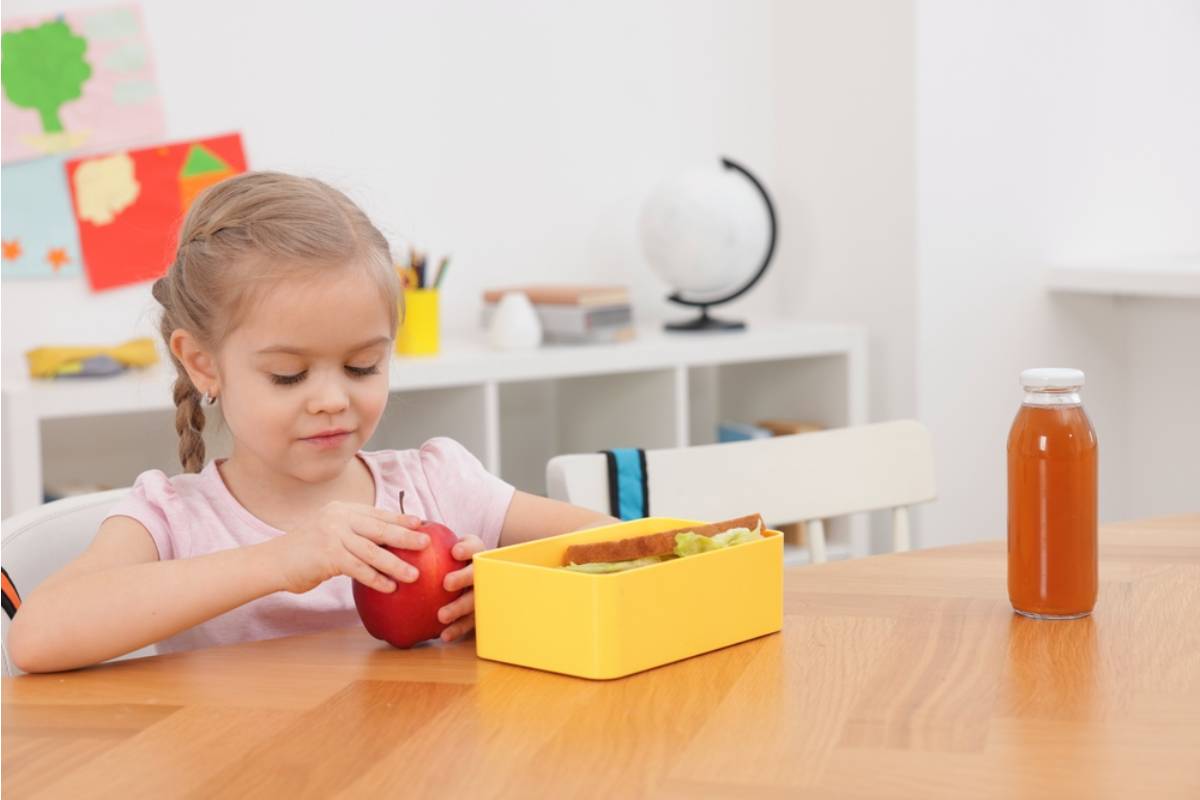
Without making a big announcement, the mother added a few different items to the lunch the next day. Nothing extravagant, just small packaged snacks alongside the usual food. When her daughter opened the lunchbox, she paused and smiled slightly. She did not say much, but the reaction was noticeable. It was less about the food and more about feeling seen in the comparison. The adjustment was simple but meaningful.
The Daughter’s Changing Perspective
Over the following days, the daughter stopped mentioning “good snacks” as often. She still noticed what other kids had, but it did not seem to bother her as much. The novelty of comparison faded once her own lunch felt slightly different. She began focusing more on eating and talking with friends instead. The shift was subtle but steady. The question that once felt important slowly lost its urgency.
A Parent Reflects on What Kids Actually Notice
The mother thought about how children interpret differences without context. What seems small to adults can feel significant in a school environment. A snack is not just food, but part of social awareness. She realized she had been thinking only about nutrition, not perception. That gap explained why the comment had stayed with her all week. It was not about snacks alone.
The Lunch Table Becomes Less About Comparison
At school, the daughter still saw different lunches, but the focus shifted back to sharing and conversation. The snacks themselves mattered less than the social time around them. She no longer labeled what she had as “not good.” Instead, it was simply her lunch. The comparison faded into the background of daily routine. What once felt like a difference became normal again.
A Simple Question That Led to Awareness
The question that started it all did not return in the same form again. It had opened a small window into how children perceive everyday choices. The mother did not overhaul everything, just adjusted with awareness. The daughter did not need perfection, just understanding. In the end, the conversation changed less about food and more about perspective.