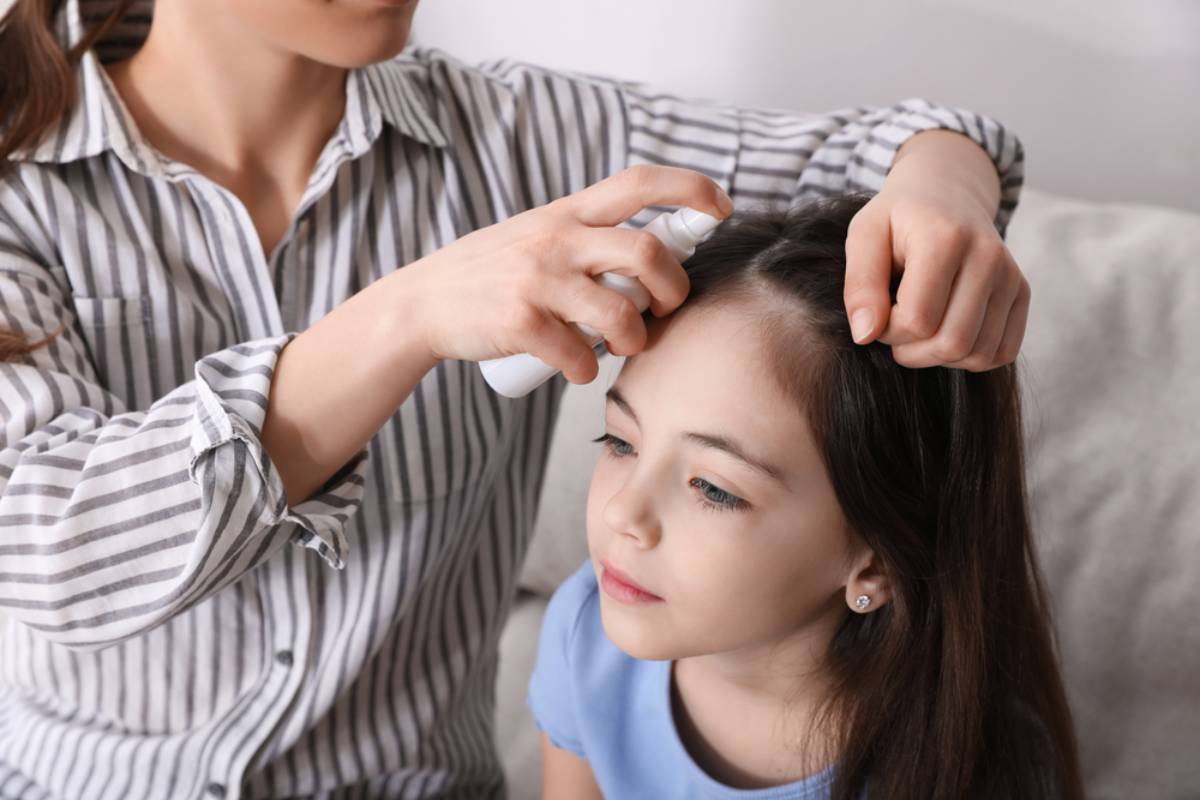
A Mom Says Her Daughter Was Shunned by Friends After Getting Head Lice at School, and Even Professional Treatment Couldn’t Stop the Parents From Blaming Her

A mother shared her story after what should have been a manageable childhood problem turned into a deeply upsetting experience for her entire family. Her daughter had recently discovered that one of her classmates and friends had head lice, and the other child’s parent had thoughtfully informed them about the exposure. At first, the family did not think much of it because they had never dealt with lice before. However, their lives soon became consumed by an ordeal they never expected.
The mother admitted that she had grown up without experiencing head lice herself, although she remembered schools checking children’s hair for them. When the news first arrived, she did not immediately assume her daughter had caught anything. Like many parents, she hoped the warning would amount to nothing more than a reason to check her child’s hair. Unfortunately, that hope disappeared about a week later when her husband discovered lice in their daughter’s hair.
The Family Quickly Went Into Problem-Solving Mode
Finding lice for the first time left the mother unsure about what to do next. Her immediate instinct was to contact a specialist because she wanted to make sure the problem was handled properly. Her husband, who had dealt with lice as a child, reassured her that it was manageable as long as they were thorough. Instead of panicking, the couple decided to educate themselves and tackle the problem together.
They spent the entire weekend researching treatments, brushing their daughter’s hair, checking everyone’s scalps, and dealing with the household laundry. What initially sounded like a straightforward task quickly became an exhausting family project. They were determined to remove the lice and prevent them from spreading to anyone else. By the time the weekend ended, they believed they had done everything a responsible family could reasonably do.
One Week Later, the School Called
Just when the mother thought the situation was under control, her daughter began scratching her head again. The itching raised fresh concerns, and the school eventually called the mother to come and collect her child. Suddenly, a private family problem had become something other children could notice and discuss. The mother realized that the situation might follow her daughter beyond the classroom.
The timing made everything particularly uncomfortable because the family knew several of the other children’s parents. Her daughter also participated in extracurricular activities alongside some of those same children. That meant the news could travel through several overlapping groups of families, potentially turning an ordinary childhood issue into a much bigger social problem. What the mother had feared might be a brief inconvenience was beginning to feel like a public embarrassment.
The Other Parents Reacted With Anger
The mother soon discovered that the other parents were not simply concerned about possible exposure. She began receiving harsh messages claiming that her children were no longer welcome until she got the situation under control. The wording of those messages left her feeling as though the family had committed some serious offense. Instead of receiving understanding while they dealt with an unpleasant problem, she found herself defending her parenting.
The criticism was especially difficult because the family had already spent considerable time treating the lice and cleaning their home. The mother understood that other parents wanted to protect their own children, but she struggled to understand why that concern had turned into such hostility. She had not deliberately exposed anyone to a problem or ignored her daughter’s needs. Yet the reactions made it seem as though she had failed at something fundamental as a parent.
An Extracurricular Teacher Made Things Even Worse
The situation took another painful turn when one of the extracurricular activity teachers decided to ban the children from participating for a month and a half. The teacher also criticized the mother for not contacting a specialist immediately after discovering the lice. Rather than recognizing the family’s efforts, the teacher treated the delay as evidence of irresponsibility. The mother was left wondering how a manageable childhood issue had escalated into such a severe punishment.
What made the decision especially frustrating was that the mother had eventually taken her daughter to a specialist after the school called her. She explained this to the people criticizing her, hoping the information would reassure them that she had taken the matter seriously. Unfortunately, the explanation did little to calm the anger directed at her. Even after seeking professional help, she felt as though she could not convince anyone that she was trying to do the right thing.
Getting Professional Help Did Not End the Blame
The mother’s experience exposed a frustrating contradiction in how people were treating her family. She had initially considered calling a specialist, then followed her husband’s advice to research the problem and begin treatment at home. Once the situation persisted, she sought professional help, as the other parents had apparently wanted. Despite eventually doing exactly what they demanded, she continued to face criticism.
The experience left her questioning what she could have done differently. If she had called a specialist immediately, perhaps some of the accusations would never have happened, although there was no guarantee the other parents would have reacted kindly. She had been trying to solve the problem rather than conceal it. Yet the criticism made her feel that her efforts counted for very little once people had formed an unfavorable opinion of her.
The Mother Began Worrying About Her Daughter’s Return
Beyond the messages and the extracurricular ban, the mother’s biggest concern was what might happen when her daughter returned to school. Children can be quick to notice differences, repeat things they hear from adults, and turn an uncomfortable situation into playground gossip. The mother worried that her daughter might become the target of teasing or exclusion simply because she had experienced head lice. What frightened her most was the possibility that the adults’ reactions would influence how the children treated one another.
The situation was particularly painful because her daughter had not chosen to experience any of this. Head lice can spread among children through close contact, and discovering them does not automatically mean a family is dirty or careless. Nevertheless, the mother feared that her child might be made to feel ashamed of something she could not reasonably have prevented. She was now dealing with two problems at once: making sure the lice were gone and protecting her daughter’s confidence.
Other Parents Questioned the Severity of the Reaction
As the mother explained what had happened, several people responded with disbelief at the way the other adults had behaved. One response from a person described the situation as an extreme overreaction and questioned why a child should be excluded from activities for so long. The person also wondered why the family was being judged so harshly after taking steps to treat the problem. That reaction reflected a broader concern that the punishment seemed disproportionate to the situation.
Other people pointed out that head lice are a familiar problem in childhood settings, particularly where children spend time playing close together. Their experiences suggested that families can work together to manage an outbreak without turning the affected child into a social outcast. Parents can check their children’s hair, share practical information, and take reasonable precautions without blaming an entire family. For these people, the most troubling part of the story was not the lice themselves but the shame being attached to them.
One Parent Shared a Very Different School Experience
A response from a person described a school where head lice appeared to circulate among students regularly. The parent explained that children could catch them despite reasonable precautions, particularly when they wore their hair down and spent time close to their friends. Although the parent preferred keeping long hair tied back, the possibility of exposure was treated as an ordinary part of school life. The parent made it clear that getting lice would never be a reason to ostracize another child.
That account offered a striking contrast with the mother’s experience. In one environment, parents could acknowledge the problem, take precautions, and move forward without humiliating anyone. In the mother’s situation, a single discovery had apparently triggered angry messages, exclusion, and accusations of irresponsible parenting. The difference suggested that the way adults respond can determine whether an unpleasant childhood experience remains manageable or becomes emotionally damaging.
Another Family Had Faced Lice Without All the Drama
Another response from a person described dealing with lice at a school where several families worked together to manage the situation. Rather than blaming the child who had been affected, parents shared practical advice and contacted the school nurse for guidance. The focus remained on identifying the problem, checking children’s hair, and helping families understand what to do next. Nobody needed to turn the experience into a personal accusation.
The comparison made the mother’s situation seem even more upsetting. Parents naturally want to protect their children from an infestation, and taking sensible precautions is entirely understandable. However, there is a difference between asking for responsible treatment and deciding that another family deserves to be shamed. The more supportive example showed how a community could respond to the same problem with cooperation instead of hostility.
Some People Wondered Whether the Punishment Made Any Sense
Several responses questioned the decision to exclude the children from extracurricular activities for six weeks. One person described the teacher’s reaction as an unnecessary display of authority, particularly because the mother had sought professional treatment. Another response questioned why a specialist should be treated as the only acceptable first step when families can often begin addressing lice themselves. The central concern was that the punishment appeared to continue even after the parent had taken the problem seriously.
Other people shared experiences in which children had needed multiple rounds of treatment before the lice were completely gone. They pointed out that dealing with head lice can require repeated checks and careful follow-up rather than one instant solution. That does not mean parents should ignore the problem, but it does show why a family may need time to manage it. Against that background, the lengthy exclusion seemed difficult for some readers to understand.
The Mother Was Caught Between Protecting Others and Defending Her Family
The mother’s story also highlighted the difficult position parents can find themselves in when an ordinary childhood problem becomes a source of community conflict. She wanted to make sure other children were not unnecessarily exposed, but she also needed to protect her own children from unfair treatment. Every attempt to explain the situation seemed to leave her facing another accusation. What should have been a practical health issue had become a test of whether other adults were willing to believe her.
She had already researched treatments, checked the family, washed laundry, and consulted a specialist. Yet none of those efforts seemed enough to restore the trust she believed she had lost. She was left trying to anticipate what people might say about her family while worrying about her daughter’s return to school. For a parent who had never dealt with lice before, the emotional burden had grown far beyond the original problem.
The Real Concern Became the Daughter’s Emotional Well-Being
As the story unfolded, the mother’s fear shifted from the lice themselves to the possibility of lasting embarrassment for her daughter. Children should be able to return to their normal routines after dealing with an unpleasant but manageable problem. Instead, this child risked walking back into a classroom where classmates might already have heard adults discussing her situation. The mother worried that the social consequences could become more distressing than the original experience.
A response from a person emphasized that children commonly encounter lice and that the condition is not proof of poor hygiene. That reassurance mattered because shame can linger long after the practical problem has been addressed. If the daughter faced teasing, she would need to hear from the adults she trusted that she had done nothing wrong. The mother could not control every rumor, but she could help her child understand that another person’s reaction did not define her.
The Story Raised a Bigger Question About How Adults Treat Families
The most revealing part of the mother’s experience was how quickly concern for children’s health appeared to turn into condemnation of another parent. Nobody wanted lice spreading through a classroom or activity group, and the family had a responsibility to address the problem. However, the mother had made visible efforts to do exactly that, including seeking professional help when the situation continued. The continuing hostility raised questions about whether the criticism was really about protecting children or had become something more personal.
The responses also showed that people did not need to agree on every detail of lice treatment to agree that children should not be humiliated. Families can share information, ask reasonable questions, and follow school guidance without treating a child as though she has done something shameful. A community can take a health concern seriously while still showing compassion to the family affected. In this case, the adults’ response had become the part of the story that people found hardest to accept.
The Mother Was Left Wondering What Would Happen Next
By the time she shared her experience, the mother was emotionally exhausted and uncertain about what awaited her daughter. She had followed through with treatment, consulted a specialist, and explained her actions to the people who were upset. Still, the criticism had not stopped, and the extracurricular ban remained a painful reminder of how far the situation had escalated. She wanted reassurance from others who had experienced something similar and hoped to understand whether things would eventually improve.
The story did not establish how the school situation ultimately unfolded or whether the other parents changed their attitudes. That uncertainty was part of what made the experience so distressing for the mother, who was trying to prepare her daughter for a return to everyday life. The most encouraging responses came from people who reminded her that head lice are common and that their own experiences had not required ostracizing a child. In the end, the situation left one important question hanging over the family: would the adults move on from the incident, or would their reactions turn a temporary childhood problem into a lasting social wound?