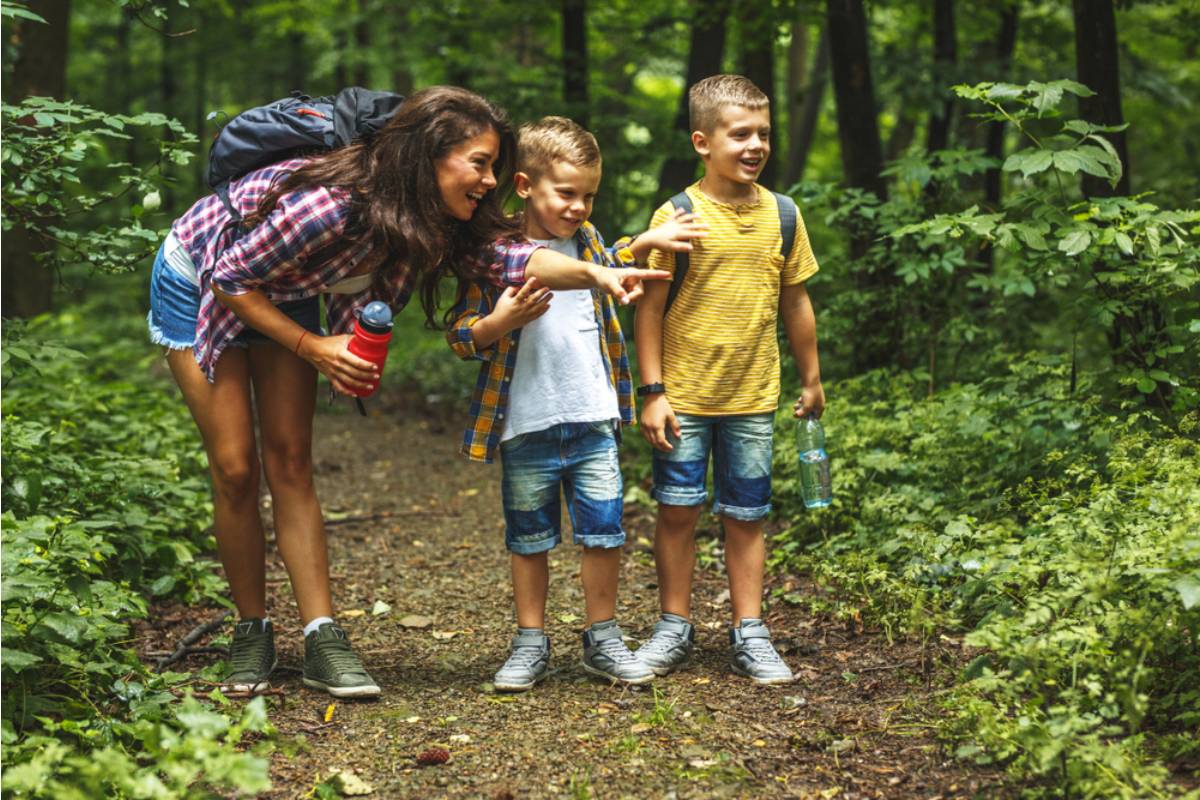
A Mom Says Her Kids Complain About Every Bug and Trail on Their Nature Trips, and She’s Starting to Wonder If They’re Just Born to Be City Kids

A person shared his story about raising two children, ages eight and ten, in the middle of the city. She described herself as a complete city girl who loved checking out new places, exploring neighborhoods, and keeping her kids busy with different experiences. Nature had never really been her thing, especially because allergies made trees, grass, and animals a serious challenge.
For years, that arrangement worked perfectly well for the family. The kids knew apartment buildings, busy streets, restaurants, museums, parks, and all the usual comforts of urban life. Then divorce changed the rhythm of their lives, and one friendship unexpectedly introduced them to a very different world.
Her Best Friend Changed Everything
After the divorce, the mom became especially close with her best friend, another single mother who had grown up in the country. Her friend seemed completely at home around lakes, trails, campsites, muddy paths, and everything that made the city mom reach for allergy medication. Somehow, those outings gave her a new appreciation for nature, even though she still needed a pharmacy’s worth of preparation before some trips.
She started happily joining overnight lake trips, hikes, and other outdoor adventures. What had once sounded uncomfortable began to feel refreshing and exciting. The only people who didn’t seem impressed by the transformation were her own children, who had apparently declared war on dirt, bugs, grass, and anything else that wasn’t conveniently paved.
The Complaints Started Piling Up
The kids complained about bugs almost immediately. Dirt on their shoes became a crisis, touching plants was apparently unacceptable, and even learning about the environment failed to spark much enthusiasm. Their mother wasn’t expecting them to become wilderness experts overnight, but she had hoped they might at least stop looking personally offended by every patch of grass.
Instead, every outdoor outing seemed to produce a new complaint. One child might grumble about getting sweaty while the other worried about insects, strange textures, or having nothing interesting to do. The mom began wondering whether she had somehow raised two professional indoor cats without realizing it.
She Wanted Them to Love Nature
The mother’s concern wasn’t simply about getting through a weekend hike without hearing complaints. She genuinely wanted her children to develop a relationship with nature and understand why she had recently started enjoying it herself. In her mind, there were lessons in outdoor adventures that simply couldn’t be recreated inside a city apartment.
She also worried that her kids were missing something important by resisting every outdoor experience. Since she was making a real effort to introduce them to different activities, she couldn’t understand why the enthusiasm wasn’t spreading. Her question wasn’t really about forcing them to become campers, but about whether there was a way to open the door without pushing them through it.
One Response Put Personality at the Center
A response from a person suggested that the answer might be much less dramatic than the mother feared. The person explained that one of their own children loved being outdoors while another preferred staying inside, even though both had received plenty of exposure to nature. According to that perspective, personality could play a much larger role than upbringing.
That idea clearly struck a nerve because several other responses described almost identical families. One child might happily climb trees barefoot while another would rather sit near a window with a book. The children were growing up under the same roof, yet their reactions to the outdoors could not have been more different.
The “Indoor Cat” Theory Appeared
Soon, people started describing certain family members as “indoor cats,” and the phrase fit the story almost too well. A response from a person described a spouse who could handle hiking and canoeing but needed antihistamines and never understood why anyone thought dirt and wet clothes were fun. Another person admitted that someone in their family enjoyed the physical challenge of outdoor activities while still disliking almost everything else about being outside.
The theory was simple but oddly comforting. Some people aren’t secretly waiting to discover their inner camper, no matter how many scenic trails they visit. They may be perfectly capable of enjoying certain outdoor activities while still preferring a couch, a book, and four solid walls afterward.
More Exposure Wasn’t Always the Magic Fix
Several people supported the idea of continuing to expose children to nature, but without turning every trip into a test. One response from a person shared that they had once organized regular outdoor activities for one child and done far less of that with another. Ironically, the child who received less structured exposure became the one who eventually loved climbing trees and spending time outside.
That story offered an important warning about trying too hard. Repeated exposure can create opportunities, but it doesn’t guarantee a particular personality will emerge at the end of the process. The mother’s goal might work better if she focused on giving her kids choices rather than trying to manufacture enthusiasm.
The Divorce Changed the Equation
Then one response raised a possibility that made the situation more complicated. A person asked when the divorce happened and wondered whether the children’s resistance to outdoor adventures could be connected to everything else that had changed in their lives. From that perspective, the kids might not simply be protesting bugs and dirt, but reacting to a period when familiar routines had already been turned upside down.
That observation shifted the conversation in a surprisingly serious direction. Children going through major changes may crave predictable routines more than exciting new experiences. A weekend hike could look like harmless fun to an adult while feeling like one more unfamiliar thing being added to an already unfamiliar chapter.
Nature Didn’t Have to Be the Main Event
Another response from a person offered a practical change in strategy. Instead of selling the children on “being outdoors,” the suggestion was to give them something genuinely exciting to do outside and let nature become the setting. Hiking to a destination, searching for something, riding a canoe, or visiting a farm could make the experience feel like an adventure rather than an assignment.
That idea seemed to match the mother’s situation particularly well. Kids may not care about appreciating a forest, but they might care very deeply about catching something, finding a hidden trail, eating snacks by a lake, or winning a game. The outdoors could become the backdrop instead of the entire point.
The Outings Were Already Packed With Activities
Interestingly, the mother later explained that she was already doing exactly that. She mentioned geocaching, Girl Guide hikes, paddleboarding, and other kid-focused outdoor activities, joking that she basically had no personal life anymore. So the problem wasn’t that she was dragging bored children into the wilderness and asking them to stare at trees.
That detail changed the picture again. These weren’t joyless nature lessons designed by an adult who forgot what children liked. The kids were already being given engaging activities, yet they were still complaining about the bugs, dirt, and general experience of being outside.
Maybe the Kids Were Being Honest
A few responses suggested that the children might simply be telling the truth about their preferences. A person shared that they had grown up surrounded by forests and still complained constantly about camping, heat, poison ivy, and everything else associated with outdoor life. Meanwhile, their own children grew up in a major metropolitan area and turned out to love mud, waterfalls, bugs, and swimming.
That comparison weakened the whole city-kid versus country-kid theory. Geography might influence what children are exposed to, but it doesn’t decide what they will enjoy. Sometimes a child raised in the woods wants to stay indoors, while a child raised among skyscrapers dreams about sleeping under the stars.
Even Adults Change Their Minds
One response from a person shared another surprising twist: someone could grow up hating outdoor activities and then discover later in life that the right environment changed everything. Camping in a hot, buggy region might have created terrible memories, while hiking in a cooler or more scenic place could suddenly make the outdoors feel magical. The issue wasn’t always nature itself, but which version of nature someone encountered.
That possibility gave the mother another reason not to panic. Her children were eight and ten, which meant their current opinions didn’t have to become permanent identities. Today’s child who hates muddy shoes might someday be the teenager begging to go on a road trip to a national park.
The Right Kind of Nature Might Still Be Waiting
A response from a person suggested exploring different kinds of outdoor experiences rather than assuming all nature activities were equal. Apples at a farm, wooded trails inside a city park, cabins instead of tents, or a visit to a working farm could offer gentler introductions. The idea was to keep changing the setting until something finally clicked.
Another person suggested making outdoor adventures comfortable enough that the children could focus on the fun. Snacks, bug spray, gear they picked themselves, and familiar routines could reduce the little annoyances that made every trip feel like a battle. Sometimes the difference between “This is awful” and “This is actually fun” is a backpack chosen by the child and a snack waiting at the end.
The Mother May Not Need to Fix Them
As more responses came in, one theme became difficult to ignore. The children didn’t necessarily need to be fixed at all, because disliking certain outdoor experiences wasn’t a character flaw. The mother had discovered that she enjoyed nature more than she expected, but her children were allowed to have a completely different reaction.
That may have been the most useful lesson hiding inside the entire story. Giving children opportunities is healthy, but demanding that they love those opportunities can turn something interesting into pressure. The goal may be less about creating two miniature versions of their mother and more about helping them discover what they genuinely enjoy.
The Complaints Might Eventually Fade
There was also a hopeful possibility in the discussion: children change. A child can complain about every hike at eight and become curious about wildlife at twelve, or hate camping at ten and suddenly ask to go with friends at sixteen. Their interests can shift with age, confidence, friendships, and even something as simple as finding the right activity.
For now, the mother may have to accept a little dramatic sighing along the trail. The kids might never become passionate hikers, and that would not mean the outdoor experiences were wasted. Even if they remain proud city kids, they will still have memories of lakes, paddleboards, trails, geocaching, and all the strange adventures their mother kept dragging them into.
The Real Twist Wasn’t About Nature
The biggest twist in the story was that the mother started out worrying about how to change her children, but the discussion gradually suggested she might not need to change them at all. Her own relationship with nature had changed because a friend opened a door she hadn’t expected to walk through. Her kids may simply need the freedom to find their own doors, even if those doors lead somewhere completely different.
In the end, the lesson wasn’t really about raising country kids in a city. It was about giving children room to discover themselves while still exposing them to a world bigger than their comfort zone. The mother can keep offering adventures, but the final answer may be hiding in something much simpler: sometimes the child who complains the loudest about the bugs is still quietly noticing everything around them.