A Mom Says Her Parents Keep Sending So Many Toys That Her Kids Still Have Unopened Gifts the Next Day, and She’s Wondering If It’s Time to Ask for Something Different

A mother shared her story after reaching the point where she could no longer ignore the growing mountain of toys in her home. She lived with her family in a 2,000-square-foot house built in the 1960s, and nearly every room seemed to have something belonging to her children scattered across it. What once looked like an ordinary collection of childhood belongings had slowly turned into a daily obstacle course.
She was tired of stepping over toys, moving things around, and trying to find a place for items her children barely touched. Her solution was to start clearing out the clutter, including toys in the children’s bedrooms and extras she had planned to rotate into the playroom. She wanted to keep only what comfortably fit on the shelves, but there was one major obstacle she knew would make that plan difficult.
Christmas Revealed Just How Serious the Problem Had Become
The biggest source of the clutter was her own parents, particularly her father, who loved buying gifts for his grandchildren. His enthusiasm was understandable, and the mother knew he enjoyed seeing the children excited about their presents. Unfortunately, his generosity had started creating a problem that extended far beyond the excitement of opening a few packages.
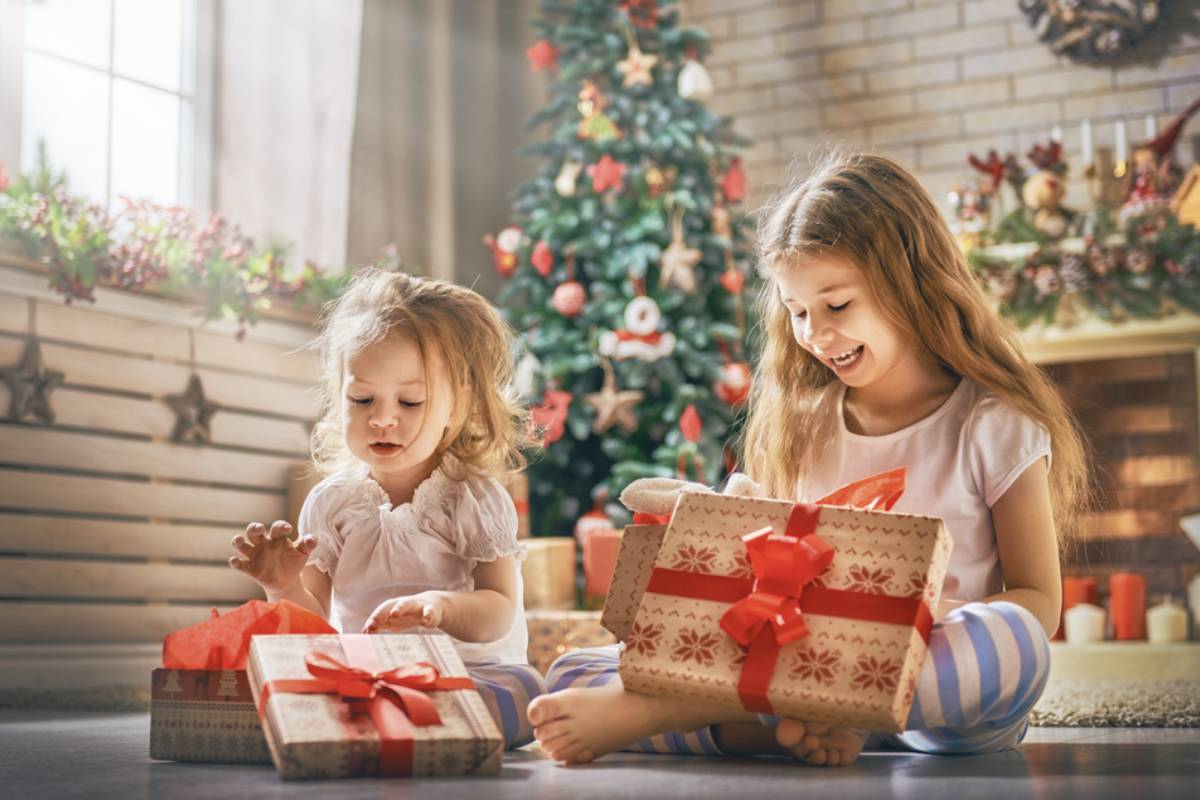
One Christmas, the grandparents bought so many presents that the children still had unopened gifts sitting around the following day. Instead of every present becoming a memorable surprise, some had effectively disappeared into the overwhelming pile. That moment made it difficult for the mother to pretend that the family simply needed a little more storage space.
Her Daughter’s Birthday Started the Next Wave of Deliveries
The mother had another reason to worry because her oldest child was about to turn seven at the end of the month. Rather than waiting for the celebration, her parents had already mailed three packages containing multiple gifts. The birthday had not even arrived, yet the family was already dealing with another influx of belongings.
She could practically imagine the cycle repeating itself, with more toys arriving, more space disappearing, and another round of decluttering becoming necessary. She did not want her daughter’s special day to feel less exciting, but she also knew that adding more possessions was not helping. The question was how to stop the deliveries without making the grandparents feel that their love and generosity were unwelcome.
She Did Not Want to Take Away Her Father’s Favorite Tradition
The mother’s biggest hesitation was emotional rather than practical. She understood that buying toys brought her father happiness, and she did not want him to feel that he was being denied the pleasure of spoiling his grandchildren. At the same time, she was the person who had to find places for everything after the wrapping paper had been cleared away.
She began considering a different approach instead of simply telling her parents to stop buying gifts altogether. She thought they could focus on consumable items, such as modeling clay and art supplies, that the children could enjoy without adding permanent clutter. She also considered expanding collections the children already used, particularly their magnetic building tiles, which seemed to be in constant demand.
Experiences Could Replace the Piles of Plastic
Another idea was to ask the grandparents for gifts that created memories rather than filled cupboards. Zoo memberships, tickets to local shows, and similar outings could give the children something exciting to anticipate. These experiences would also allow the grandparents to contribute to the children’s lives without sending another box through the front door.
A response from a person supported the idea of gently explaining the space problem and suggesting memberships, trips, and savings contributions instead. The key, they explained, was to approach the conversation without blaming the grandparents for wanting to show affection. Rather than presenting a long list of forbidden gifts, the mother could tell them what the children were interested in and offer alternatives that would genuinely be appreciated.
Some Grandparents Needed Permission to Stop Buying So Much
One response from a person described how their parents had seemed unexpectedly relieved after being asked to reduce the number of gifts. Their living room had started looking as though a toy shop had exploded inside it, but the grandparents apparently had not known where the stopping point should be. Once someone finally explained the problem, they had a clearer idea of what the family needed.
That experience suggested the mother might be worrying more about offending her parents than necessary. Sometimes, relatives continue an established tradition because nobody has told them directly that it is becoming difficult to manage. A calm conversation could give her father permission to change his approach without feeling that he had failed as a grandfather.
Keeping Certain Toys at Grandma’s House Became a Clever Compromise
Not every family managed to stop the flow of toys completely, so some parents found another way to protect their living space. One response from a person described leaving certain toys at the grandparents’ home and explaining that there simply was not enough room to keep them elsewhere. The children could still enjoy those items during visits without bringing every new purchase home.
Another person shared a similar experience involving an elaborate toy ice cream truck that came with around 130 tiny accessories. After keeping the toy at her own house for three days, the grandmother sent it to the child’s home, then complained about how messy all the little pieces were. The situation perfectly illustrated the frustration parents faced when they were expected to manage toys that even the gift-givers found difficult to handle.
The College Fund Idea Did Not Always Go Down Well
A response from a person suggested asking the grandparents to contribute to the children’s college funds instead of buying more toys. Financial contributions could help prepare the children for adulthood while giving relatives a meaningful way to support their future. It sounded like a sensible alternative, especially for families who already owned more toys than their children could use.
However, another person revealed that the suggestion had badly offended their own mother. The grandmother objected to the idea of saving for college because another family member had chosen not to attend, and she refused to contribute even when an alternative savings account was proposed. Despite rejecting the financial option, she continued buying toys, leaving the parent to wonder whether giving tangible presents mattered more to her than making a long-term contribution.
One Grandmother Turned Gifts Into a Lifelong Passion
Not every change in gifting traditions led to disappointment, and one particularly memorable response illustrated what could happen when a grandparent embraced a new idea. A person recalled that their mother had asked a grandmother to reduce the number of toys around the time the child turned eight. Instead of filling the house with more playthings, the grandmother bought six months of horseback riding lessons.
The gift eventually became much more than a temporary activity because the child continued riding horses until the age of 20. The grandmother kept contributing toward lessons and the equipment needed along the way, helping nurture an interest that lasted for years. What began as an attempt to reduce clutter had unexpectedly opened the door to a lasting hobby and a meaningful family tradition.
Other Children Found Plenty of Excitement Outside the Toy Aisle
Some families discovered that children did not necessarily need another elaborate toy to become excited about a present. One response from a person described giving a child a small case of macaroni and cheese, which was a favorite food and turned into a surprisingly successful gift. It was simple, inexpensive, and something the child could actually enjoy rather than store indefinitely.
Another person described how their children became thrilled over a multipack of blue painter’s tape. They used it to create pretend roads for toy trucks, outlines on the wall for target practice, and streets for a village filled with stuffed animals. The experience showed that a gift did not have to be expensive or complicated to inspire hours of creativity.
Too Many Pieces Could Turn a Good Intention Into a Mess
The mother was not alone in feeling overwhelmed by presents that required more effort to manage than they were worth. One parent with a toddler and a newborn described receiving seven gifts filled with tiny pieces, followed by two more gifts arriving in the mail just days later. Many of the toys ended up in a closet because the toddler became overstimulated by being shown so many new things at once.
The situation created an awkward cycle in which the child scattered the pieces, the grandmother became frustrated, and the parent was left trying to keep everything under control. The toddler even began asking for new presents whenever a package arrived or the grandmother was expected to visit. That response revealed how easily constant gifting could turn into an expectation rather than an occasional treat.
The Grandparents Sometimes Struggled to Let Go of Their Gifts
For some relatives, the difficulty went beyond buying too much because they also took it personally when an item was eventually removed. One person explained that their mother-in-law became deeply offended when toys she had purchased were given away, even when the children had outgrown them. Items such as undersized bicycles were supposed to remain treasured belongings, despite no longer being useful.
The parent understood that gift-giving might be the grandmother’s way of expressing love, but the constant pressure to preserve everything made decluttering exhausting. Another response described a similar pattern with poorly made toys that children played with briefly before forgetting or breaking them. Parents were left trying to balance their relatives’ feelings against the realities of limited space and the children’s changing interests.
A Toy-Clearing Game Made Decluttering Easier for the Children
One family found that decluttering became easier when the children were included in the process instead of simply watching adults remove their belongings. A parent described a game called “Keep or Kindness,” in which the children could keep one toy for every two comparable toys they chose to donate. They were also allowed to change their minds and add more toys to the donation pile if they found something they would rather give away.
The game transformed a potentially upsetting chore into a kind of treasure hunt focused on choosing favorites. The children could decide which toys they truly valued while understanding that the others would go to people who might enjoy them. Surprisingly, they never asked for the donated toys afterward, suggesting that having a say in the process helped them feel comfortable letting go.
The Biggest Surprise Was That Less Stuff Could Mean More Family Time
One of the most encouraging stories came from a person whose mother eventually began choosing gifts more thoughtfully after realizing how overwhelming the number of presents had become. Instead of filling boxes with random items, she started focusing on higher-quality gifts and experiences she could enjoy alongside the children. The family also discovered that spending time together became a more meaningful part of the gift-giving tradition.
Other people described grandparents who eventually paid for memberships, music lessons, tickets, trips, and other activities instead of continually buying toys. These gifts created opportunities for shared experiences and helped children develop interests that could last well beyond childhood. For the mother facing another birthday and another stack of packages, that was the real possibility worth exploring: her father could still spoil his grandchildren, but he might do it in a way that left the house less crowded and the memories far more lasting.