A Mom Says Her Partner Wanted Her Home Every Minute After Surgery, but Her Kids Had an Open House He Expected Her to Skip

A 34-year-old woman was preparing for a stressful week because her 40-year-old partner was scheduled for ACDF surgery on his C5/C6. He was understandably anxious about the procedure, but according to her, that anxiety had already started affecting the household. He had become increasingly irritable and was lashing out at her verbally and emotionally. She tried to absorb the tension without making the situation worse, even as she felt herself becoming completely drained.
The woman had two teenage children, and their school had an open house scheduled for 48 hours after her partner’s surgery. She knew the timing wasn’t perfect, but the event would only require about an hour of her time. The school was five minutes away, and she expected her partner to be home resting by then based on what his surgeon had explained. To her, it seemed like one of those situations where everything could be handled if everyone stayed reasonable.
She Had Already Rearranged Her Entire Week
The woman wasn’t planning to disappear during her partner’s recovery. She had already taken two full days off work specifically so she could care for him after surgery. Once those days were over, she planned to work from home for the rest of the week so she could remain nearby. She believed she had made it clear that she was taking his recovery seriously.
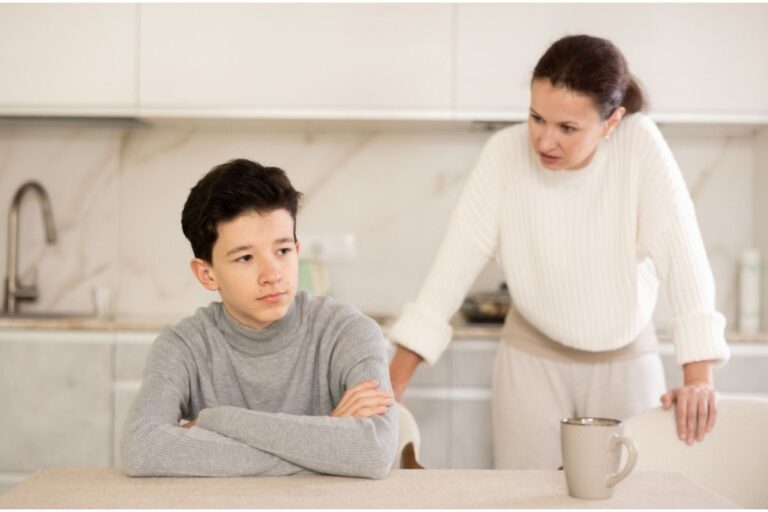
That was why his reaction to the open house caught her off guard. She told him she intended to attend because she didn’t want her children wondering why she had skipped such a simple school event. Instead of seeing it as a brief absence, he interpreted it as a sign that she was leaving him alone when he needed her most. The conversation quickly became much more emotional than she expected.
He Said She Was Abandoning Him
Her partner reportedly told her that she was abandoning him by planning to leave for an hour. He also accused her of being emotionally numb and distant, which landed especially hard after everything she had already rearranged around his surgery. She had been trying to support him through his fear, yet it seemed that none of those efforts were counting in his mind. The more he pushed, the more exhausted she became.
Eventually, the woman snapped and reminded him of something that had been clear from the beginning of their relationship. She told him that her children would always come first, and that he had known that when they started dating. She wasn’t telling him she would stop caring about him, but she was drawing a line around her role as a mother. She also made it clear that she intended to be there for her kids for one hour.
The Silent Treatment Started
After the argument, her partner stopped speaking to her and accused her of dismissing his anxiety. He insisted that his need for help after surgery should take priority, even though she planned to remain available before and after the school event. The silent treatment left her wondering whether she really was being insensitive. She had expected surgery to be difficult, but she hadn’t expected a one-hour school visit to become a relationship crisis.
The woman began questioning whether she had misjudged the situation. Maybe she was underestimating how vulnerable someone might feel after neck surgery, especially someone already frightened about the procedure. At the same time, she couldn’t shake the feeling that asking her to miss the open house was unfair. She decided to seek outside perspectives before making the decision.
A Person With the Same Surgery Weighed In
A person who had undergone the exact same type of surgery offered an immediate response. Based on that person’s own experience, being home alone for an hour 48 hours after the procedure shouldn’t automatically be a major concern, assuming there were no complications. The person described the timing as completely manageable and said the woman was not doing anything wrong by attending the open house. That response appeared to give the situation a little more perspective.
Another person shared an experience involving recovering from a major operation and explained that their spouse had gone out for several hours shortly after they returned home. Their point was simple: being cleared to stay home doesn’t necessarily mean someone needs another adult standing beside them every minute. In their view, a short period alone could actually be more peaceful than having someone constantly hovering. The situation suddenly sounded less like a medical emergency and more like a disagreement about expectations.
A Medical Perspective Made Things Clearer
A person who identified as a physical therapist gave an even stronger response. They explained that, assuming there were no unexpected complications or significant medical issues, a 40-year-old patient recovering from this kind of surgery should generally have some mobility and be capable of spending an hour alone. They mentioned practical recovery habits and equipment that could make getting around easier. Their main point was that the woman’s partner wasn’t automatically helpless simply because he had undergone surgery.
That response changed the tone of the discussion. The issue was no longer just whether the partner was anxious, because several people felt that anxiety was being used to justify unreasonable demands. One person pointed out that the woman had already arranged her entire schedule around caring for him. Another suggested that, if he truly believed he couldn’t be alone, there were likely friends or family members who could help for one hour.
People Started Focusing on the Kids
Several responses turned the attention back toward the teenagers. A person argued that teens still need to know their parent is present for important moments at school, especially when they are making their own way through a complicated stage of growing up. The open house wasn’t an all-day trip or a weekend away. It was a one-hour event that could make a much bigger impression on the children than her partner seemed to realize.
Another response suggested that the woman shouldn’t let her partner’s anxiety force her into neglecting her responsibilities as a mother. The concern wasn’t that she should ignore his recovery, but that supporting one person shouldn’t require disappearing from another part of her life. Her kids had an event scheduled once, while her partner’s recovery would continue for days. That difference mattered to many of the people weighing in.
His Behavior Became Part of the Bigger Problem
The conversation also moved beyond the surgery itself. Multiple people were troubled by the fact that the partner was already lashing out verbally and emotionally before the operation had even happened. They pointed out that fear and anxiety can explain why someone is upset, but they don’t automatically excuse treating a partner poorly. In their view, the open house argument was revealing something that might be bigger than a single stressful week.
One person described the situation as sounding less like a partner asking for help and more like an adult demanding to be prioritized at all times. Another suggested that his expectations were starting to resemble those of someone who needed constant reassurance rather than temporary postoperative care. The woman had begun the situation trying to figure out whether one hour away was selfish. Suddenly, she was being encouraged to consider why he believed she owed him every minute.
Someone Compared Him to Another Child
One response was especially blunt, suggesting that the woman had effectively taken on another child in the household. Another person joked that the man was acting like he needed someone to be his parent rather than his partner. Those comments were harsh, but they reflected a recurring theme among the responses. People weren’t convinced that his anxiety justified making his partner feel guilty for attending her children’s event.
A person also pointed out that the partner could use the hour to rest, watch something, play on his phone, or simply sleep. The woman wasn’t leaving him stranded in another city or refusing to answer her phone. She was planning to step away for a very short period and return almost immediately. To many observers, the biggest obstacle seemed to be his unwillingness to accept that she could leave the house without abandoning him.
The One-Hour Question Wouldn’t Go Away
One of the clearest responses essentially reduced the entire argument to a single issue: could a grown adult recovering at home spend one hour without his partner? The woman had already explained that she would be nearby, that the school was five minutes away, and that she was otherwise planning to be available. Those details made the idea of a complete abandonment seem difficult to support. The more people examined the timeline, the less dramatic the actual absence appeared.
Another person suggested that if there truly were a concern about being alone, the partner himself could ask a friend or relative for help. That solution would allow the woman to attend the open house without compromising his recovery. It also would avoid putting the entire responsibility for managing his anxiety onto her shoulders. The suggestion exposed how much of the conflict appeared to be about emotional dependence rather than physical necessity.
The Open House Suddenly Felt More Important
By this point, the woman was faced with a strange choice. On one side was a partner who was frightened, recovering from surgery, and insisting that leaving him for an hour meant she wasn’t supporting him. On the other were her teenagers, who had a school event and expected their mother to show up. She wasn’t choosing between abandoning him and caring for him. She was choosing whether to take one hour for her children while continuing the care she had already promised.
A person responding to the situation pointed out that children remember these moments. A teenager might not say much about an open house, but having a parent show up can quietly communicate that their life matters too. The woman had already built her week around her partner’s medical needs, so attending one school event didn’t seem unreasonable. For many people, skipping it would have sent a more troubling message than going ever could.
Then Came the Bigger Relationship Question
As the discussion continued, some responses stopped debating the open house entirely and began questioning the relationship. They wondered whether the partner was typically controlling or manipulative, or whether the surgery anxiety had simply magnified existing behavior. Several people felt that the woman’s description of verbal and emotional lashing out was more concerning than the planned hour away. The surgery might explain his fear, but it didn’t erase the impact of how he was treating her.
One person said the woman should seriously rethink the relationship, especially because her partner was already trying to make her feel guilty for prioritizing her children. That observation hit at the heart of the issue. Her statement that the children would always come first wasn’t a new rule created during the argument. It was a boundary he had supposedly understood from the beginning.
The Twist Wasn’t About the Surgery
The unexpected twist was that the most important part of the story wasn’t whether the man could physically survive one hour alone. Almost everyone who discussed the situation agreed that, barring complications, he likely could. The bigger concern was why he believed his partner needed to prove her devotion by giving up a meaningful moment with her children. What began as a question about postoperative care started looking like a question about control, expectations, and emotional pressure.
The woman had entered the situation wondering whether attending the open house made her a bad partner. By the end, the responses were encouraging her to ask a much harder question about what kind of partnership she was actually building. Her partner had surgery ahead of him, but so did their relationship in a sense, because this conflict had exposed something neither of them could easily ignore. The one-hour open house may have been the smallest event in the story, yet it became the moment that forced everything else into focus.
She Was Still Planning to Be There for Him
Despite the criticism aimed at her partner, the woman had never suggested abandoning him during recovery. She had taken time off work, planned to work remotely afterward, and intended to remain nearby throughout the week. Her decision to attend the open house didn’t erase any of that. It simply meant she believed caring for her partner and being a present mother could coexist.
That distinction became the strongest conclusion from the responses. Supporting someone through surgery should involve compassion, but it shouldn’t require one person to disappear from every other responsibility they have. The woman had spent considerable effort preparing to support her partner, and attending one important event for her children didn’t change that. In the end, the open house represented something much bigger than an hour away from home: it represented whether she was allowed to keep being herself while caring for someone else.