A Mom Says Her Son Asked Her Why the Kids Who Get in Trouble the Most Always Seem to Get the Most Attention From Teachers

I’d be sitting at the kitchen table helping my son finish his homework when he looked up from his notebook with a question that caught me completely off guard. It was not about math or spelling or anything written on the page in front of him.
Instead, he asked something that sounded far older than his years, something that made me realize he had been paying close attention to the world around him. I did not answer right away because I wanted to understand why he was asking. What followed became a conversation that changed the way I looked at his school, his classmates, and even my own assumptions about what children notice.
The Question That Would Not Leave My Mind
Ethan pushed his pencil aside and looked directly at me. He asked, “Mom, why do the kids who get in trouble the most always seem to get the most attention from teachers?” His voice was calm, not angry, which somehow made the question even harder to answer. I asked him why he was thinking about that.
He shrugged before saying, “The kids who listen just sit there. The kids who yell or break rules always have adults talking to them.” It sounded like a simple observation, but I could tell he had been carrying it around for a while.
Listening Instead of Correcting
My first instinct was to explain that teachers have to deal with behavior problems because they affect the whole class. Before saying that, I realized Ethan was not asking for a textbook answer. He wanted to know whether doing the right thing actually mattered.
So I asked him to tell me what had happened at school that day. He leaned back in his chair and started describing moments that had never appeared in school newsletters or parent emails. His version of the classroom sounded very different from the one I had imagined.
The Student Everyone Knew
Ethan told me about a boy named Tyler who interrupted lessons almost every day. Sometimes he shouted jokes across the room. Other times he wandered around without permission or argued whenever the teacher corrected him.
Every time Tyler acted out, the lesson stopped. The teacher spoke with him, the counselor occasionally visited, and other students waited quietly until everything settled down. Ethan noticed that Tyler seemed to get more conversations with adults than anyone else in class.
The Quiet Kids Stayed Invisible
Then Ethan mentioned his friend Maya. She finished her work early, helped classmates when asked, and never caused problems. According to Ethan, there were days when she barely spoke because everything she did was expected.
He looked at me and quietly asked, “Do teachers even notice kids like Maya?” That question stayed with me because I realized he was really asking whether good behavior disappeared into the background.
A Parent Volunteer Sees More
A week later I signed up to help during reading time in Ethan’s classroom. I wanted to observe without interfering. The teacher greeted every student warmly before beginning the lesson.
Within minutes Tyler interrupted twice. The teacher calmly redirected him each time, but every interruption pulled attention away from the rest of the class. Meanwhile, several students raised their hands patiently for long stretches before being called on.
An Unexpected Conversation in the Hallway
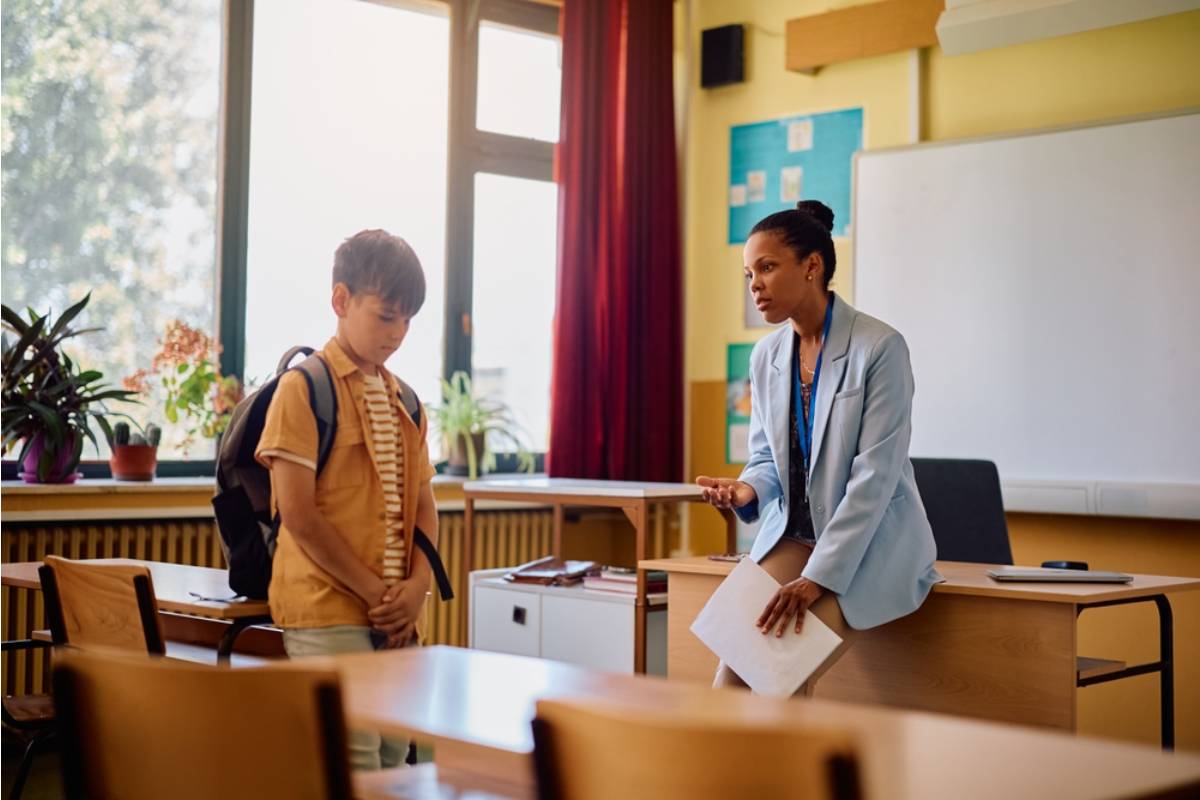
While students attended art class, I thanked the teacher for letting me volunteer. Before leaving, I mentioned Ethan’s question without criticizing anyone. The teacher sighed in a way that suggested she had heard similar concerns before.
She admitted it was one of the hardest parts of teaching. She explained that children with serious behavior struggles often required immediate attention because ignoring them could disrupt learning for everyone else. Still, she worried about the students who quietly did everything right.
Another Side of Tyler’s Story
The teacher asked if I knew much about Tyler’s family. I admitted I did not. She gently explained that she could not share private details, but she said some children arrived at school carrying burdens that classmates never saw.
Those children sometimes acted out because they lacked the words to explain what they were feeling. She added, “Attention is not always a reward. Sometimes it is crisis management.” That sentence completely changed how I viewed the situation.
Ethan Meets an Unexpected Friend
A few days later Ethan came home with surprising news. Tyler had asked to sit beside him during science because they both enjoyed building small models. Ethan admitted he had been nervous at first.
Instead of causing trouble, Tyler spent the entire activity focused on the project. He even thanked Ethan for sharing supplies. Ethan seemed genuinely surprised that the same classmate who often disrupted lessons could also be funny, creative, and thoughtful.
The Counselor’s Classroom Visit
Later that month the school counselor visited the class to discuss emotions and self control. She explained that people express stress in different ways. Some become very quiet while others become loud.
The counselor encouraged students to notice classmates who seemed lonely or overwhelmed instead of immediately judging them. Ethan listened carefully. On the ride home he admitted he had never considered that someone who constantly got into trouble might actually be struggling.
Recognition Arrives in a Different Form
The following Friday the teacher started something new. At the end of each week she shared examples of quiet acts of kindness she had noticed around the classroom. She mentioned students who helped clean up, encouraged classmates, or stayed patient during difficult moments.
To Ethan’s surprise, Maya’s name was mentioned first. The teacher described how she had spent several days helping another student improve reading skills without ever asking for credit. Maya smiled shyly while the rest of the class applauded.
Ethan Shares His Own Thoughts
That evening Ethan told me he finally understood something important. He said getting attention was not always the same as being appreciated. Some attention happened because something had gone wrong. Other attention came from respect that lasted much longer.
He admitted he still wished teachers had more time for students who quietly made good choices. At the same time, he no longer envied Tyler the way he once had.
A Difficult Day Changes Everything
One Monday Tyler arrived unusually quiet. During recess he sat alone instead of running around with everyone else. Later that afternoon the principal quietly called him out of class.
The next day the teacher explained only that Tyler’s family was going through a very difficult situation and asked everyone to be kind. No details were shared, but the classroom became noticeably more patient with him. Ethan looked thoughtful for the rest of the week.
Choosing Compassion Instead of Comparison
A few days later Ethan packed an extra snack in his backpack. When I asked why, he said Tyler had forgotten lunch twice that week. He did not want to make a big deal about it, so he planned to share quietly if it happened again.
I realized the question Ethan had asked days earlier was no longer about fairness. It had become an opportunity to see another child with compassion instead of frustration. That shift mattered more than any answer I could have given.
The Lesson Neither of Us Expected
Looking back, I realized my son’s question had challenged assumptions that many adults carry without noticing. Children see who receives attention, but they do not always understand why until someone helps them look beneath the surface. Ethan learned that classrooms are filled with stories hidden behind behavior, silence, confidence, and fear.
He also learned that teachers constantly balance helping children in crisis while encouraging those who quietly make good choices. It is not a perfect system because no teacher has unlimited time or energy. Even so, the experience reminded both of us that recognition comes in many forms, and the kindest thing we can do is avoid assuming that someone else’s attention means they have an easier path.
Sometimes the child everyone is watching is the one carrying the heaviest burden, while the child quietly doing the right thing is building strengths that will stay with them long after the classroom doors close.