A Mom Says Her Son’s School Gave Out an Award for Most Improved and When He Won It He Came Home and Asked Her if That Meant He Used to Be the Worst

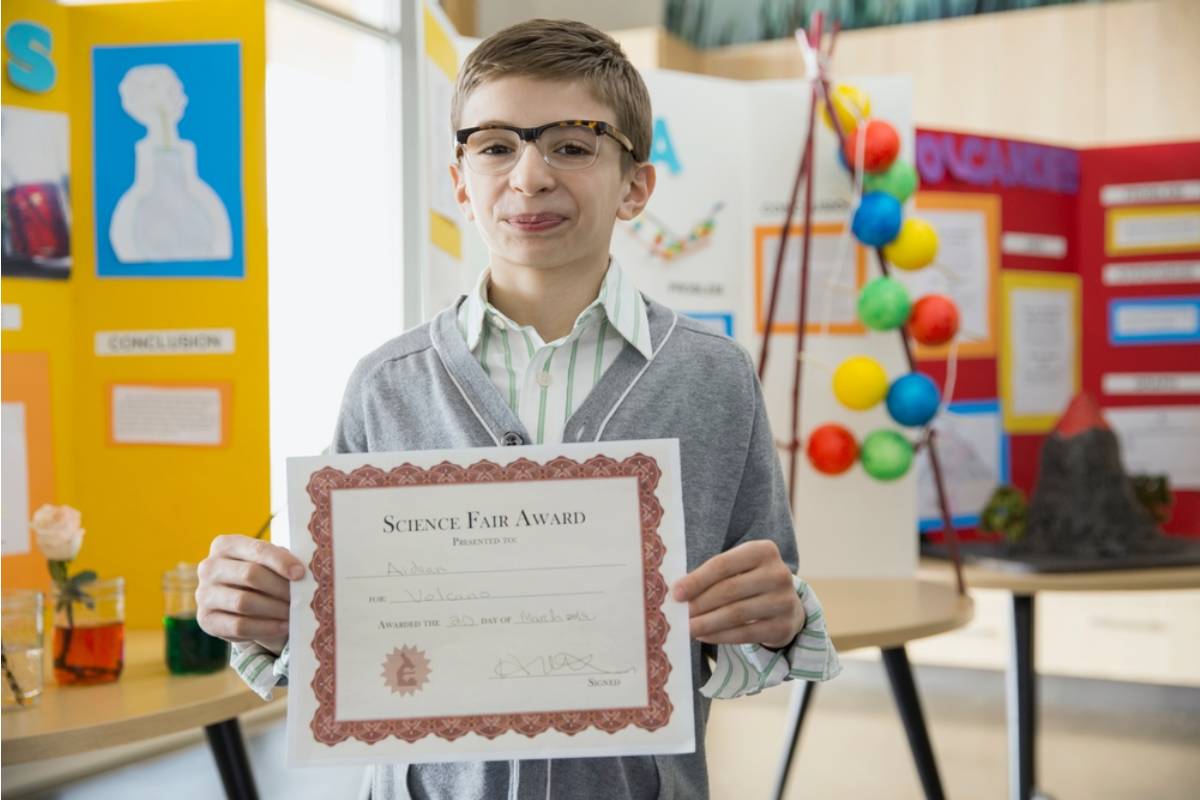
When seven-year-old Caleb Turner walked through the front door holding a small certificate from his elementary school, his mother, Jennifer, expected him to be excited. She had been waiting all afternoon to hear about the awards assembly because Caleb had mentioned it several times that week.
Instead of smiling proudly, he placed the paper on the kitchen table and asked a question that immediately caught her attention. He wanted to know if winning the award meant he had been the worst student before.
Jennifer realized that a phrase adults often used as encouragement had sounded completely different to a child who was still learning how to see himself.
The Certificate Sitting Quietly on the Kitchen Table
Jennifer noticed something was wrong the moment Caleb entered the house. Usually, he rushed in and talked about every detail of his day before taking off his backpack. That afternoon, he walked slowly, set the certificate down, and went to get a snack without saying much.
When Jennifer asked about the award, Caleb shrugged and said his teacher had called him “the most improved student” in front of the whole class. She smiled and told him how proud she was, but his expression did not change. Then he asked the question she never expected: “Does that mean I was the worst before?”
A Child Interprets Words Differently
Jennifer sat beside Caleb and asked what made him think that. He explained that if someone was “most improved,” they must have started out worse than everyone else. In his mind, the award was not proof that he had worked hard. It sounded like a reminder that he had once been behind.
Jennifer realized Caleb was not rejecting praise. He was trying to understand what the words meant. He was looking at the award through the eyes of a child who had spent months comparing himself with classmates.
The School Year That Had Been Difficult for Caleb
Earlier that school year, Caleb had struggled with reading assignments. He loved listening to stories but became frustrated when he had to read aloud in class. He often paused, lost his place, and worried that other students were noticing his mistakes.
His teacher, Mrs. Walker, had never considered him a problem student. She saw a child who was trying hard but needed extra support and confidence. She noticed that Caleb celebrated small victories and kept practicing even when things felt difficult.
The First Signs That Something Was Changing
Mrs. Walker remembered a time near the beginning of the year when Caleb refused to read a short paragraph in front of the class. He quietly told her that he did not want anyone to hear him make mistakes. Instead of forcing him, she worked with him privately and helped him build confidence slowly.
Over the following months, Caleb started volunteering for small reading activities. He still felt nervous, but he began taking chances. His progress came from many small moments that eventually added up.
The Teacher Explains the Meaning Behind the Award
The next day, Jennifer decided to speak with Mrs. Walker. She explained Caleb’s reaction to the award and asked if she had noticed the same misunderstanding. The teacher immediately understood why he might have felt that way.
Mrs. Walker told Jennifer that she never saw Caleb as the worst student. She explained that the award was given because his effort and growth stood out. Many students improved in different ways, but Caleb had shown unusual determination.
A Conversation That Changes Caleb’s Perspective
Mrs. Walker asked if she could talk with Caleb privately at school. She explained that being improved did not mean he had been bad. She compared it to learning a new skill, saying that people often celebrate the biggest steps forward, not the people who started perfectly.
Caleb listened carefully and admitted that he thought awards were only for students who were already good at something. Mrs. Walker told him that some of the most meaningful achievements come from continuing when something feels hard.
The Classmates Who Saw Something Different
Later that week, Caleb mentioned the conversation to a few classmates. He learned that other students had misunderstood the award too. One student thought it meant the winner had the lowest grades, while another believed it was only about test scores.
Their discussion helped Caleb realize that he was not the only person who had questions about what awards really meant. Children often attach meanings to words based on their own fears and experiences.
A Parent Meeting Reveals More Than Expected
During a scheduled school meeting, Jennifer and Caleb’s father, Mike, spoke with Mrs. Walker about his progress. They learned that Caleb had changed in ways they had not fully noticed at home.
He was not only reading better. He was also asking more questions, accepting mistakes, and helping classmates who struggled with activities he had already practiced. Mrs. Walker said his growth came from becoming more confident, not just improving academically.
Caleb Starts Helping Another Student
A few weeks later, Caleb noticed a younger student having trouble reading during a school activity. Instead of ignoring the situation, he sat beside the student and helped him practice.
When Mrs. Walker saw what happened, she told Jennifer about it. She explained that Caleb’s experience had made him more patient because he knew what it felt like to struggle. His challenge had become something that helped him understand others.
The Award Finds a New Meaning
As time passed, Caleb stopped seeing the certificate as proof of where he had started. He began seeing it as proof of how much effort he had given. He placed the award on his bedroom shelf instead of leaving it forgotten in a drawer.
Jennifer noticed that he no longer avoided talking about difficult things. He started saying things like, “I am still learning,” instead of, “I am not good at this.”
The Family Conversation That Stayed With Jennifer
Months later, Jennifer told a friend about the day Caleb questioned the meaning of his award. She explained that she had initially been excited about the recognition but quickly realized her son’s feelings mattered more than the certificate itself.
She learned that even positive words can affect children in unexpected ways. A phrase meant to celebrate growth can sometimes make a child focus on their past struggles instead.
The Teacher Reflects on the Moment
Mrs. Walker later admitted that Caleb’s question changed the way she presented awards to students. She began explaining why each recognition was given instead of assuming children understood.
She wanted students to know that improvement was not about being the person who started at the bottom. It was about effort, persistence, and the willingness to keep going.
Caleb Looks Back at His Journey
By the end of the school year, Caleb was still not the fastest reader in his class, but he was no longer afraid of making mistakes. He participated more, asked for help when needed, and felt proud of the progress he had made.
One day, Jennifer found the old certificate on his desk beside a stack of books. When she asked if he still liked the award, Caleb smiled and said, “Yes, because it reminds me I can get better.”
The Lesson Hidden Inside a Simple Award
The certificate that caused Caleb to question himself eventually became a reminder of something much bigger. His family learned that children do not always hear encouragement the way adults intend it.
For Caleb, the award was never really about being the most improved student. It was about discovering that progress matters, even when the starting point was difficult. A simple piece of paper helped him understand that struggling with something does not define who he is.