A School Nurse Says a Student Asked Her if the Feeling of Dreading Going Home at the End of the Day Was Something Other Kids Felt Too

For school nurse Carla Mitchell, most conversations with students followed a familiar pattern. They came in with headaches, scraped knees, stomachaches, or requests to sit quietly for a few minutes before returning to class.
But one afternoon, a sixth grade student named Noah Walker walked into her office with no obvious injury and asked a question she would never forget. He wanted to know if other kids also felt afraid when it was time to go home.
At first, Carla thought he was asking about normal school stress, but his words revealed something much deeper. What happened next showed how a simple question from a student can uncover a struggle that has been hidden for a long time.
The Visit That Started With a Quiet Question
Carla Mitchell had worked as the school nurse at Brookfield Intermediate School for eight years. She knew the difference between a student who wanted to avoid class and a student who was carrying something heavy. Noah was the second kind of student. He rarely visited her office, which was why she immediately noticed when he appeared at her door looking uncertain.
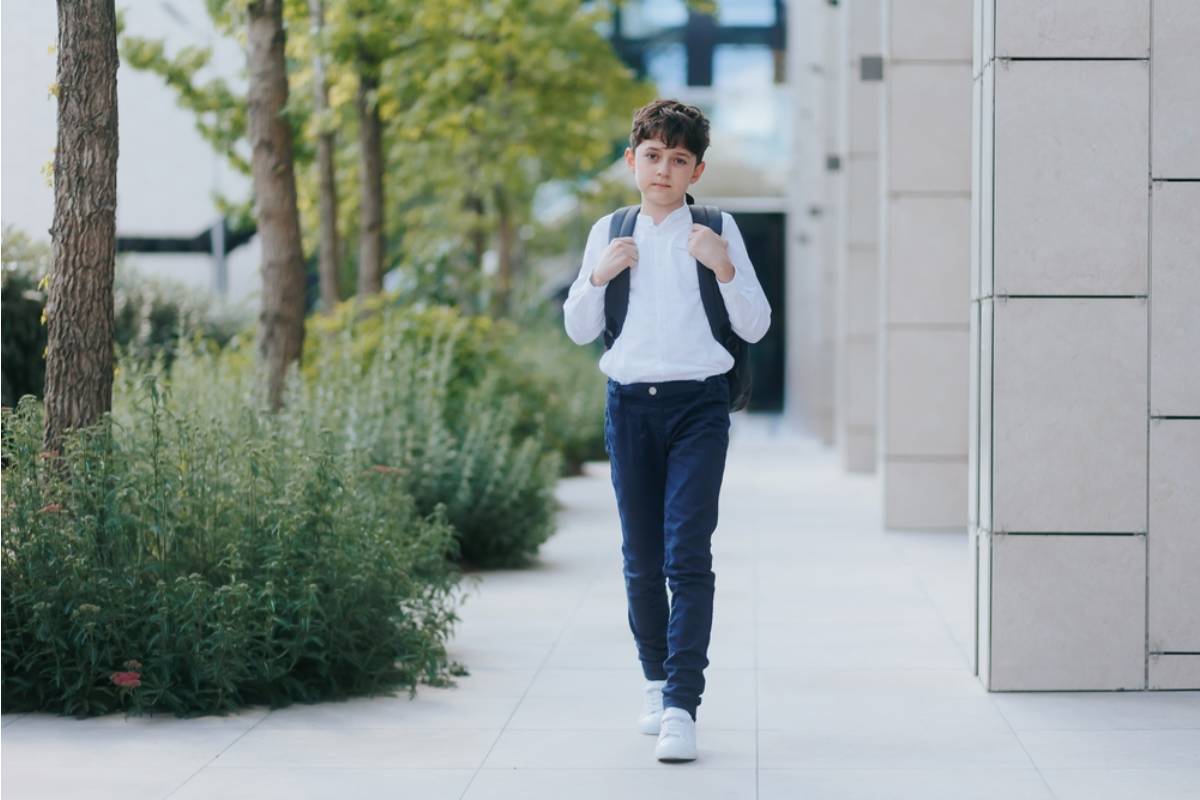
He stood near the entrance holding his backpack strap tightly. Carla asked if he was feeling sick, but Noah shook his head. He sat down on the chair beside her desk and looked at the floor for several seconds before asking, “Do other kids ever feel nervous when they have to go home?”
The question caught Carla off guard because it was not about school at all. She slowly moved closer and asked Noah what made him wonder that.
The Answer Noah Was Afraid To Give
Noah first tried to change the subject. He asked if he could just stay in the nurse’s office for a little while because he had a stomachache. Carla gently explained that she could give him a quiet place to sit, but she wanted to understand what was making him feel that way.
After a long silence, Noah admitted that the end of the school day was the hardest part. He said he liked being at school because teachers and classmates made him feel normal. Going home meant entering a place where he felt like he had to be careful about everything he said and did.
Carla did not rush him or interrupt. She knew that sometimes students reveal difficult things slowly because they are trying to decide whether an adult is safe to trust.
The Routine Carla Had Never Noticed
After Noah left her office that day, Carla began thinking about all the times she had seen him after dismissal. She remembered that he often packed his belongings slowly and stayed near the classroom door longer than other students. She had assumed he was distracted or simply waiting for friends.
Now she wondered if those extra minutes were not about delaying schoolwork but delaying the moment he had to leave. She checked with Noah’s teachers and asked if they had noticed any changes.
His teachers described him as polite, responsible, and quiet. They said he completed assignments and rarely caused problems. Nobody had realized that a student who looked perfectly fine during the day was struggling once the final bell rang.
The Conversation With His Teacher
Noah’s homeroom teacher, Mrs. Emily Parker, felt surprised when Carla shared her concerns. She immediately started thinking back to recent weeks and remembered small details she had overlooked. Noah had stopped talking about weekend activities and had become unusually serious during morning discussions.
Mrs. Parker said she always thought quiet students needed more space. She had not considered that Noah might actually be hoping someone would notice.
Together, Carla and Mrs. Parker agreed that they needed to support Noah without making him feel like he was being investigated or treated differently.
The Details Noah Finally Shared
During another visit to the nurse’s office, Noah explained more about what was happening at home. He said there were frequent arguments between family members and that the atmosphere could change quickly. He never knew whether he would walk into a calm evening or a situation where everyone was upset.
Noah told Carla that he often stayed late at school because he liked being somewhere predictable. He said the hardest feeling was not knowing what mood people would be in when he arrived home.
He was not asking for attention or trying to avoid his family. He was trying to find a few more moments where he felt safe and relaxed.
The School Took Action Carefully
Carla knew she needed to involve the right people, but she also wanted Noah to feel respected. She explained that adults sometimes needed to work together to help students when something was too heavy to handle alone.
The school counselor, Mr. David Ruiz, met with Noah privately. He focused on listening rather than asking too many questions at once. Noah slowly became more comfortable talking about his feelings and the stress he carried.
The goal was not to make Noah feel like his home life was being judged. The goal was to make sure he had support.
The Meeting That Made His Mother Cry
The school contacted Noah’s mother, Rachel Walker, and invited her to discuss how they could help him. Rachel arrived expecting to hear about grades or behavior problems. Instead, she learned that Noah had been hiding how overwhelmed he felt.
Rachel became emotional when she heard what he had told the school. She said she knew things had been difficult at home but did not realize Noah had been carrying so much fear.
She told Carla that Noah had always been the child who tried to make things easier for everyone else. She had not realized he was doing that by keeping his own feelings hidden.
The Small Changes That Helped Noah
After the meetings, the school worked with Noah to create a support plan. He was allowed to check in with Carla or Mr. Ruiz when he needed a quiet moment. Teachers also made small adjustments, like giving him opportunities to organize his thoughts before answering questions.
At home, Rachel focused on creating more open conversations with Noah. She began asking questions that allowed him to explain his feelings instead of only asking whether he was okay.
Slowly, Noah stopped feeling like he had to carry everything by himself.
The Day Noah Stayed After School For A Different Reason
Several months later, Carla noticed Noah walking into her office again near the end of the day. For a moment, she worried that something had gone wrong.
Instead, Noah smiled and said he just wanted to say thank you before leaving. He told her that he still had difficult days, but he no longer felt trapped by them.
Carla asked him if he still dreaded going home. Noah thought for a moment and said, “Sometimes. But now I know I can talk about it.”
The Question That Helped Another Student
A few weeks after Noah’s conversation, another student came into Carla’s office feeling overwhelmed. The student did not know how to explain what was wrong and simply said she felt tired all the time.
Carla remembered Noah’s question and responded differently than she might have before. She asked whether the student ever felt uncomfortable outside of school.
That question opened a conversation that helped the student explain problems she had never shared with anyone.
The Lesson The Staff Never Forgot
After Noah’s experience, teachers and staff at Brookfield Intermediate became more aware of the quiet signs students sometimes showed. They learned that a child did not need to be failing classes or acting out to need help.
They started paying more attention to students who lingered after school, avoided going home, or seemed unusually withdrawn. Small behaviors that once seemed unimportant began receiving more attention.
Carla often reminded staff that students do not always ask for help by saying they need help.
The Final Conversation Before The School Year Ended
Near the end of the year, Noah stopped by Carla’s office one afternoon. He sat in the same chair where he had asked his first question months earlier.
He told her that he used to think he was the only kid who felt that way. He said knowing other people struggled too made him feel less alone.
Carla told him that asking that question took courage. She explained that sometimes the bravest thing a person can do is admit that something feels wrong.
The Moment Carla Realized The Importance Of Listening
Years later, Carla still remembered Noah’s question because it changed how she viewed her role as a school nurse. She realized that students often came to her office for reasons they could not explain at first.
A headache, a stomachache, or a request to sit quietly could sometimes be a doorway to a much bigger conversation. Noah had not walked into her office looking for a solution that day. He had been looking for proof that his feelings were not strange.
The answer he received helped him understand that he was not alone, and it reminded the adults around him that listening can be the first step toward helping someone heal.