A Teacher Says a Seventh-Grader Returned to Class Looking Heartbroken and Asked for a Hug, and His Unexpected Request Reminded Them Why Middle School Teachers Matter

A teacher recently shared a story about a seventh-grade student whose return to school turned into a moment they would not soon forget. The boy had been absent the previous day, so when he walked into the classroom, the teacher greeted him warmly and said how glad they were to see him back. It seemed like an ordinary welcome, the kind of small interaction that happens countless times during a school year.
However, something about the boy’s expression immediately caught the teacher’s attention. He did not seem like his usual self, and his face suggested that something was weighing heavily on him. Instead of ignoring the change or rushing straight into the lesson, the teacher decided to check whether he was doing alright.
His Answer Revealed That Something Was Wrong
When the teacher asked the boy how he was feeling, he gave a simple but heartbreaking answer: he was sad. The teacher gently asked what had happened, hoping to give him an opportunity to explain what was bothering him. For a moment, it seemed like the conversation might lead to a difficult story, but the boy was not ready to share the details.
He told the teacher that he did not want to talk about it, and the teacher respected his decision. Rather than pressing him with more questions, the teacher reassured him that there was no pressure and simply expressed happiness that he had returned. Sometimes, allowing a child to remain quiet without making them feel uncomfortable can be more meaningful than trying to find the perfect words.
Then He Asked a Question the Teacher Was Not Expecting
The teacher might have expected the conversation to end there, with the student returning to his seat and quietly working through whatever he was feeling. Instead, the boy asked a question that caught the teacher completely off guard. He wanted to know whether he could have a hug.
For a seventh-grade student, making that request took a surprising amount of vulnerability. Middle schoolers often work hard to appear independent, unbothered, or too grown-up to need comfort from an adult. Yet this boy put those expectations aside and asked directly for the reassurance he needed in that moment.
The Hug Said More Than Words Could
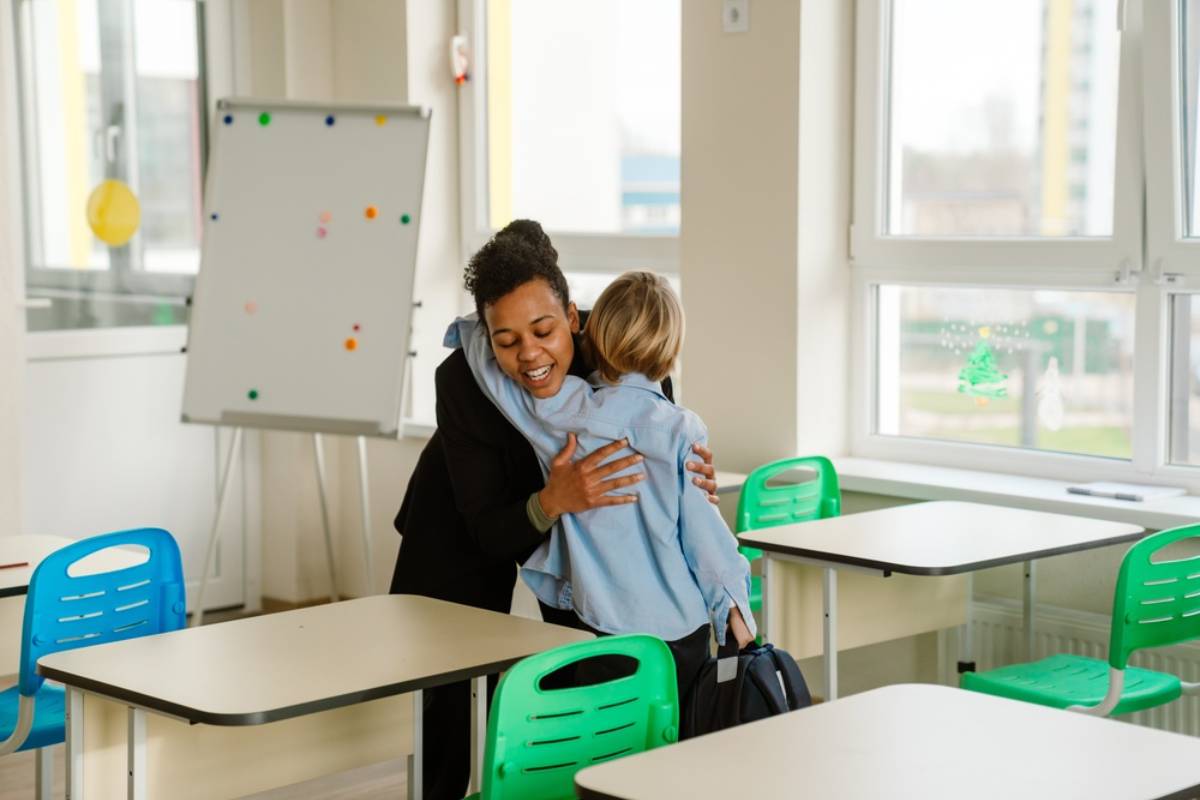
The teacher immediately agreed, and what happened next left a lasting impression. The boy hugged the teacher with the kind of wholehearted affection a child might seek from a parent after a difficult day. It was not a casual greeting or a quick friendly gesture, but an embrace that seemed to carry feelings he could not yet put into words.
The teacher was struck by how openly the student allowed himself to be vulnerable. He had declined to discuss his sadness, yet he had found another way to communicate that he needed support. In that moment, the teacher did not need to know every detail of his situation to understand that a little comfort mattered to him.
The Teacher Realized How Much These Moments Matter
After reflecting on the encounter, the teacher admitted that moments like this were part of the reason they felt certain they were in the right profession. Middle school students can be unpredictable, sometimes acting like little children and sometimes insisting they are practically adults. Their moods, friendships, and emotions can change quickly, making the job challenging even on an ordinary school day.
Still, the hug offered a powerful reminder that beneath the awkwardness and attitude, middle schoolers are still children. They may roll their eyes, make jokes, or pretend nothing bothers them, but they can also carry feelings they do not know how to explain. For this teacher, the student’s request made all those difficult days feel worthwhile.
Other Teachers Recognized the Moment Immediately
After hearing the story, another person shared that they also tried to support students when they noticed something was wrong. They explained that they would ask students whether they wanted to speak with a school counselor and help arrange that connection when the student agreed. The approach gave children another trusted adult to turn to without forcing them to explain everything to their classroom teacher.
The person also revealed that they were still in contact with some students they had taught during the 1990s. That detail showed just how long the influence of a caring teacher can last. A conversation that takes only a few minutes during the school day can become one small part of a relationship a student remembers for decades.
Sometimes a Little Treat Can Brighten a Difficult Day
Another educator shared a gentler approach they used when students seemed upset. They sometimes offered a small candy or a cheerful sticker with a positive message to help lift a child’s spirits. These gestures were not presented as solutions to serious problems, but as simple reminders that someone had noticed and cared.
The original teacher admitted that some students accepted offers of support while others preferred to keep their feelings private. Even so, those moments often stayed with the teacher long after the school day ended. Caring for students, they explained, sometimes meant carrying a little concern for them home and hoping they would feel better the next day.
One Teacher Had Learned to Let Students Decide When to Let Go
A response from another person described how they approached hugs with students who needed comfort. They explained that they had told students they would stop hugging them when the students stopped hugging them first. Some children held on far longer than the educator initially expected, occasionally turning a brief embrace into 45 seconds or even a full minute.
Those extra seconds could feel surprisingly long, especially when the teacher had other responsibilities waiting. Yet the educator understood that the child might need that time to feel settled and safe. For some students, being allowed to receive comfort without being hurried away could mean more than an adult might realize.
A Difficult Question Emerged About Schools Without Enough Support
Not every school has an easy system for connecting struggling students with help, and one person raised an important concern. Their school had a counselor, but students sometimes had to complete a form before receiving assistance. When the educator followed up with students, some reported waiting weeks without hearing anything back.
The person wanted to help children who were struggling but also had lessons to teach and only a few spare minutes available. They understood that a teacher could not personally solve every problem a student faced, especially when the school’s support system was slow. Their question highlighted the difficult space between wanting to help and having enough time and resources to do so.
The Teacher Explained Why Speaking Up Still Matters
The teacher who shared the original story admitted that they did not have an easy answer for that problem. They acknowledged how difficult it could be when the available resources were not enough to meet students’ needs. Still, they believed teachers could use their presence and voices to keep bringing concerns to counselors and administrators.
Another educator explained that they used their free periods to alert counselors whenever they noticed a student who seemed to be struggling. These approaches did not guarantee an immediate solution, but they helped ensure that concerns did not simply disappear. Sometimes, persistence from a teacher is what prevents a quiet warning sign from being overlooked.
Teachers Shared Stories of Students Who Never Forgot Them
The conversation also revealed that the seventh-grader’s experience was far from the only example of a teacher making a lasting impression. One person shared that they remained in contact with a beloved high school teacher who had taught them over several years. Another recalled keeping in touch with their seventh-grade art teacher decades after being in that classroom.
Those relationships showed that the influence of a teacher does not necessarily end when a student moves to the next grade or graduates. Children remember the adults who encouraged them, treated them with kindness, and made them feel understood during confusing stages of life. Sometimes, a teacher becomes memorable not because of a particular lesson, but because of how they made a student feel.
Another Educator Remembered a Student Who Needed Comfort
One teacher described a fifth-grade student who was usually quiet and awkward around classmates. One afternoon, the girl left school early and appeared to be carrying a tremendous emotional burden. Concerned by her expression, the teacher briefly asked a colleague to remain nearby before going after her to check whether everything was alright.
The girl paused, looked down, and began trembling before stepping forward to give the teacher a large hug. The teacher was surprised by the sudden display of emotion but responded by gently patting her head and offering comforting words. Looking back, the educator reflected on how powerful it was to become the trusted adult a child instinctively approached when everything felt overwhelming.
The Story Also Highlighted a Difficult Reality for Male Teachers
While many people celebrated the teacher’s response, others pointed out that physical affection between teachers and students can be a complicated issue. Several male educators explained that they were especially cautious about hugging students because they worried that even well-intentioned contact could be misunderstood. Some preferred high fives, fist bumps, or handshakes as ways to offer encouragement while maintaining clear professional boundaries.
One male educator described how he had once been reported to child protective services after a brief squeeze on a student’s shoulder, although the complaint was immediately found to be unfounded. The experience illustrated why some teachers hesitate even when they believe a child genuinely needs comfort. The discussion emphasized the importance of following school policies, respecting a student’s wishes, and ensuring appropriate visibility and safeguards during physical interactions.
The Biggest Lesson Was That Middle Schoolers Are Still Children
Despite the concerns about boundaries and school support systems, many educators agreed on one important point: middle school students are still young people who sometimes need reassurance. One minute, they may act independent and confident, and the next, they may struggle with emotions they cannot explain. Their changing behavior can make them difficult to understand, but it does not mean they have stopped needing kindness.
Several people pushed back against the idea that middle school is an age when children become too old for affection or emotional support. They described students who sought hugs, checked in with trusted teachers, or quietly showed that they needed someone to notice them. The seventh-grader’s request was a reminder that vulnerability does not disappear simply because a child is getting older.
A Small Moment Became a Reminder of Why Teachers Matter
In the end, the teacher did not discover exactly why the boy had been sad, and the story offered no dramatic revelation about what had happened outside the classroom. What remained was a simple encounter between a struggling child and an adult who noticed that he was not himself. The teacher welcomed him back, respected his silence, and gave him the comfort he had asked for.
The boy may have returned to school the following day feeling better, or he may have continued dealing with whatever had upset him. Either way, he had experienced a moment in which asking for support was met with kindness rather than embarrassment or rejection. For the teacher, that was enough to reinforce an important truth: sometimes, helping a student does not begin with finding an answer, but with making sure the child knows they do not have to face every difficult moment alone.