A Teacher Says a Student Told Her His Parents Fight Every Night, but Asked Her Not to Tell Anyone Because “Then It Becomes Real”

A routine parent teacher check-in turned unexpectedly serious when a quiet classroom comment revealed something far heavier happening at home. What started as casual conversation about grades quickly shifted into a disclosure the teacher was not prepared for. The student tried to downplay it at first, but his words carried a weight that lingered after the bell rang. He made one request that complicated everything: not to tell anyone. That request set off a chain of decisions the teacher could not ignore.
A Normal Afternoon That Starts to Feel Off
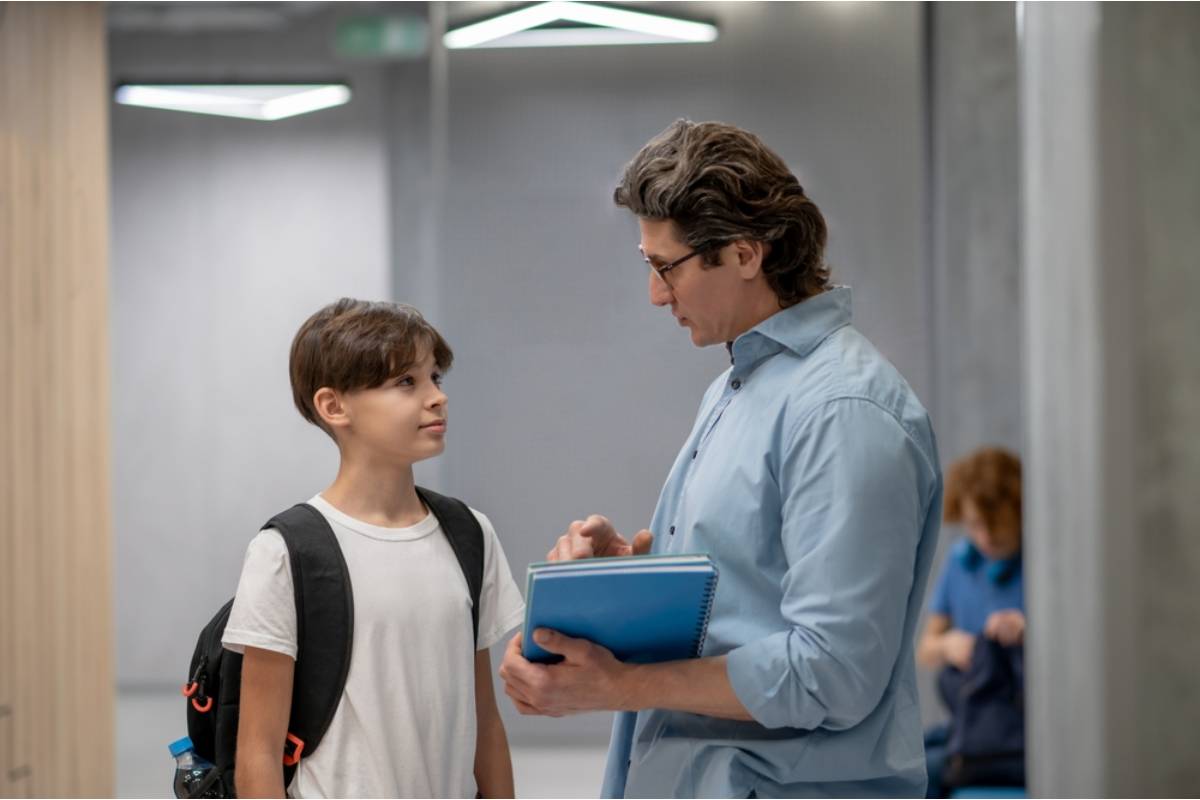
The teacher was holding short conferences with students about progress reports and behavior notes. Most students gave simple answers about homework and upcoming assignments. When the boy sat down, he seemed more distracted than usual, tapping his pencil without making eye contact. His grades were average, but his focus had been slipping for weeks. The teacher asked a simple question that opened the door to something unexpected.
A Comment That Comes Out Too Quietly
When asked how things were going at home, the student hesitated longer than usual. Then he said his parents had been fighting every night recently. He said it like he was describing the weather, not something personal. The teacher paused and asked him to repeat it, thinking she might have misunderstood. He confirmed it again, but still kept his voice low.
The Request That Changes the Conversation
Before the teacher could respond, the student quickly added that she should not tell anyone. He said if adults got involved, it would become real in a way that made everything worse. That sentence caught the teacher off guard more than the original statement. She asked what he meant by real, but he shrugged and looked down at his desk. The conversation suddenly felt much more delicate.
Teacher Tries to Clarify Without Alarm
The teacher shifted her tone and asked gentle follow up questions about what kind of fighting he meant. The student said it was loud arguing behind closed doors and sometimes late at night. He insisted it was normal and that things were fine during the day. But his body language suggested otherwise. He kept glancing toward the hallway as if worried someone might hear.
A Detail About Sleepless Nights
He mentioned that he sometimes stayed awake doing homework just to avoid hearing anything. He said headphones helped, but not always. The teacher noted that his recent fatigue and unfinished assignments suddenly made more sense. She did not interrupt him, letting him talk without pressure. The weight of his words made the classroom feel unusually still.
The Bell Rings but the Moment Does Not End
When the period ended, most students left quickly, but this one lingered near the desk. He asked again if she would promise not to tell anyone. The teacher told him she could not make promises about safety concerns. His expression changed slightly, but he did not argue. He simply nodded and walked out slowly.
Teacher Documents the Conversation Immediately
After class, the teacher wrote down everything she remembered from the discussion. She used careful wording, avoiding assumptions but recording the student’s exact phrasing where possible. She flagged the note according to school policy for potential home concern. The process felt routine on paper but emotionally heavy in practice. She debated what level of urgency the situation required.
Guidance Counselor Gets Involved
The teacher brought the report to the school counselor, who reviewed it carefully. The counselor asked whether there were any signs of physical harm or direct threats. The teacher explained that there were none mentioned, only ongoing conflict at home. They agreed to monitor the student closely before escalating. Still, neither felt fully comfortable leaving it alone.
Student Acts Normal the Next Day
When the student returned to class the following morning, he behaved as if nothing had happened. He answered questions, completed assignments, and avoided eye contact slightly more than usual. The teacher watched for any signs of distress but saw none obvious. That contrast made the situation harder to interpret. It raised the question of whether he regretted saying anything.
A Parent Email Adds Complexity
Later that week, the school received an email from one of the parents asking about the student’s recent performance and behavior notes. The tone was polite but firm. The teacher responded only with academic updates, avoiding any mention of the private conversation. The counselor advised caution until more clarity was available. The situation remained officially unconfirmed from the school’s perspective.
A Follow Up Conversation Never Fully Happens
The teacher attempted to check in with the student again, but he kept the interaction brief. When asked how things were at home, he simply said everything was fine. He avoided the earlier topic entirely. The teacher respected his silence but remained concerned. The gap between what he said once and what he said now was difficult to ignore.
The School Decides to Monitor Quietly
Staff agreed to keep a low profile watch on attendance, behavior, and emotional changes. No immediate intervention was taken, but the file remained open. The counselor checked in periodically without pushing too hard. The student continued attending school normally, with no further disclosures. The uncertainty became its own kind of tension for the staff.
A Final Moment That Stays Unresolved
Weeks later, the teacher saw the student laughing with classmates in the hallway, appearing completely at ease. There was no visible sign of the earlier conversation. But the memory of his words stayed with her, especially the part about things becoming real. The school never received another complaint or confirmation. The situation remained unresolved, existing only in notes, memory, and silence.