A Teacher Says Group Dynamics Are Shifting Fast, and Some Kids Are Being Quietly Pushed Out Without Anyone Noticing

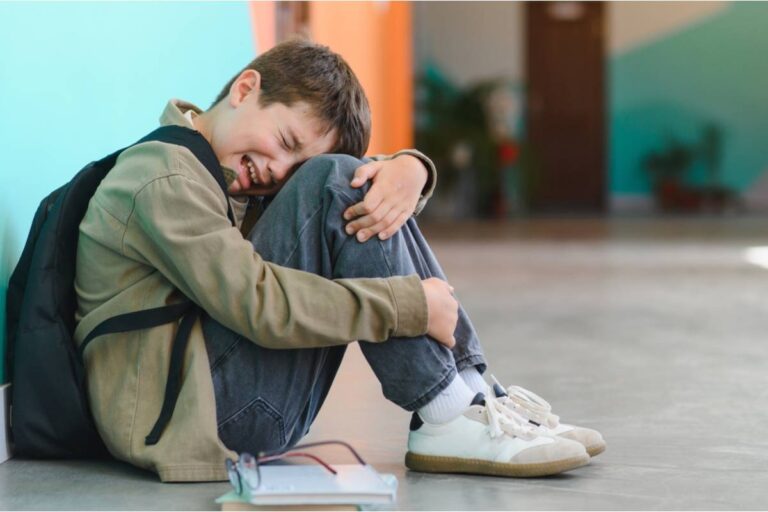
A teacher says group dynamics are shifting quickly, and some kids are being quietly pushed out in ways that aren’t obvious at first, but still have a real impact.
Exclusion Is Becoming More Subtle
Instead of open conflict, some students are experiencing quiet forms of exclusion. They may not be directly told they’re unwelcome, but they’re left out of conversations or plans. This makes it harder to detect. There’s no clear incident to point to. The impact can still be significant.
Group Structures Change Rapidly
Friend groups can shift quickly, sometimes within days. Alliances form and dissolve without much explanation. Students who were included one week may feel sidelined the next. This instability creates uncertainty. Social footing becomes less predictable.
Quiet Signals Replace Direct Actions
Small cues, like not being called over, being ignored in discussions, or not included in group work, can signal exclusion. These actions are easy to overlook. They don’t always trigger intervention. Subtle behavior carries meaning. It often goes unnoticed by adults.
Affected Students May Not Speak Up
Children experiencing this kind of exclusion often stay quiet about it. They may not be sure how to explain what’s happening. Without clear events, it’s harder to report. Silence can hide the issue. Internal stress can build over time.
Confidence Can Gradually Decline
Being repeatedly left out, even in small ways, can affect a child’s self-esteem. They may start to question their place in the group. Participation can decrease. Social withdrawal may follow. The effects build slowly.
Teachers Find It Harder to Intervene
Because there’s no obvious conflict, teachers may not see a clear reason to step in. Subtle dynamics are harder to monitor in busy classrooms. This makes prevention challenging. Awareness becomes key. Early signs are easy to miss.
Digital Spaces Can Extend the Issue
Group chats and online interactions can reinforce exclusion. Plans may be made in spaces not visible to everyone. This adds another layer of separation. Social circles become less transparent. Inclusion becomes harder to track.
Inclusion Requires Active Effort
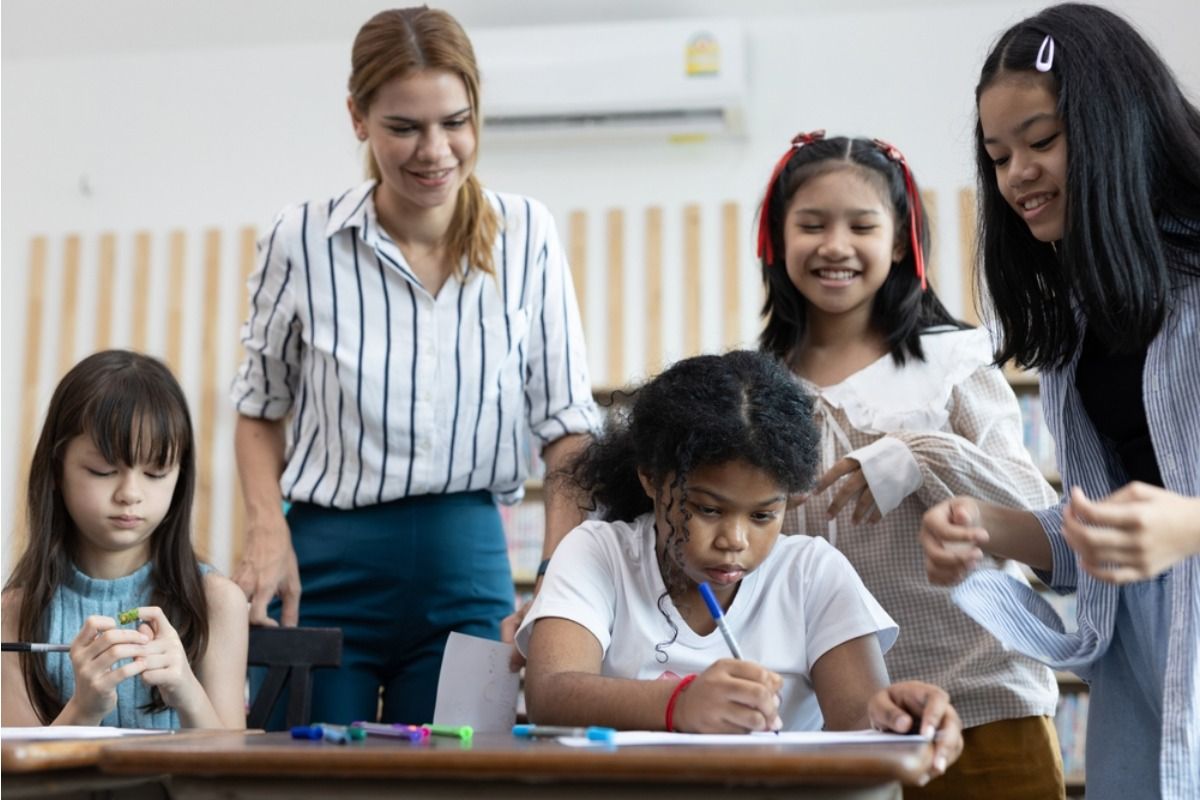
Some educators are encouraging structured group rotations or inclusive activities to prevent isolation. Creating opportunities for all students to engage helps balance dynamics. Intentional inclusion can reduce quiet exclusion. Structure supports fairness.
Peer Awareness Is Being Encouraged
Students are sometimes guided to recognize how small actions affect others. Building empathy helps reduce unintentional exclusion. Awareness can change behavior. Social responsibility is taught. Culture shifts gradually.
A Broader Shift in Social Behavior
This trend reflects a wider change in how children interact socially, moving from direct conflict to quieter forms of distancing. While less visible, the effects are still meaningful. Understanding these patterns is becoming more important. Social dynamics are evolving.
As more teachers notice subtle exclusion patterns, the focus is shifting toward awareness and proactive inclusion, so that no child is quietly pushed out without support or recognition.