After Years of Helping Their Elderly Neighbor, Couple Says She Left Them Her Estate, “Her Kids Were Never Around”

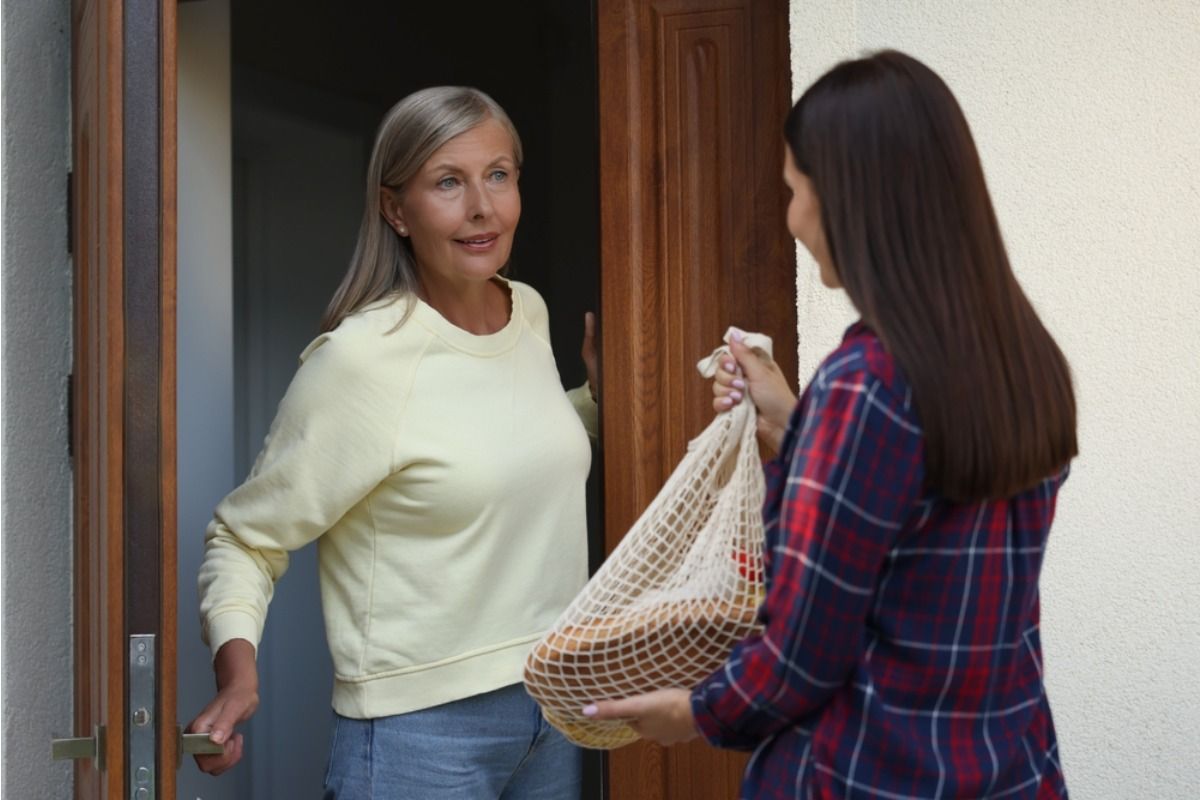
They were a young couple who looked out for the woman next door for years. They brought groceries when she needed them, snow‑blowed her walk, checked on her during storms and sat with her when bills and doctors felt overwhelming. So when the couple posted on r/PersonalFinanceCanada that their neighbor had left them her estate, the confession landed like a thunderbolt: she had written them into her will, and, the poster added, “her kids were never around.” The story is simple on its face and messy underneath, it raises uncomfortable questions about responsibility, loyalty and the messy legal details that come when care and estate planning collide.
A quiet friendship that became obligation
According to the Reddit post, the couple’s relationship with the neighbor began as ordinary neighborliness and quietly deepened into regular caregiving. As the woman aged, the couple shouldered more tasks: running errands, coordinating appointments and simply being present. In their post they said they didn’t expect compensation or recognition. The news that she had bequeathed them her estate seemed less like payment and more like an acknowledgement of the care and attention she received when her family was largely absent.
How people reacted online
The thread sparked a broad mix of responses. Many commenters felt the couple deserved the gesture, arguing that when family members are absent, those who show up deserve recognition. Others worried about potential legal complications or family conflict, urging the couple to get professional advice. A recurring sentiment was empathy, users expressed admiration for people who perform unpaid caregiving work, and used the story to highlight how often caretakers, paid or not, are overlooked until the end of life.
Why someone might leave an estate to neighbors or caregivers
There are many sensible, human reasons someone might pick a non‑relative as a beneficiary. Trust matters: people often name whoever has consistently shown up, who knows their wishes and who will help carry them out after death. Neglect by biological family is another blunt reality, when children are absent or estranged, an elderly person can feel more supported by a friend than by blood relatives. Sometimes the decision is pragmatic: a neighbor who has been providing hands‑on help is better positioned to manage a small estate or wrap up affairs than distant relatives are.
Practical legal and financial considerations
When a will takes an unexpected turn, the best next step is often practical and immediate: seek qualified legal advice. In Canada, for example, there is no federal inheritance tax, but estates can face tax events at death and there can be probate fees, creditor claims or disputes over the validity of a will. Executors and beneficiaries should confirm the will’s validity, understand any obligations attached to the estate and follow the legal steps to transfer assets. If family members contest the will, that can complicate and lengthen the process, and emotional ties can turn into legal battles unless everyone gets clear guidance and, if necessary, mediation.
Emotional and ethical dimensions
Beyond paperwork, this situation surfaces moral questions. Is it wrong to accept an inheritance from someone who might be estranged from their children? Is a caregiver morally entitled to be compensated or acknowledged in a will? For many readers the answer comes down to relationships: if an elder knowingly made a lucid choice to reward those who cared for them, honoring that wish can be an ethical obligation as much as a legal one. Still, the reality that caregiving often falls to those without resources, friends, neighbors, low‑paid aides, should push society to rethink how we support aging and those who provide care.
What To Keep In Mind
If you find yourself in a similar situation, there are several pragmatic steps to protect everyone’s interests and preserve relationships. First, get legal advice promptly so you understand the will, probate requirements and any tax implications. Keep detailed records of care provided, dates, expenses, communications, in case any questions arise. Communicate transparently with the deceased’s family if it’s safe and appropriate to do so; sometimes a frank conversation can prevent escalation. Consider the emotional weight of accepting an estate: be fair, be humble and, where possible, discuss options for sharing or directing funds in ways that respect the deceased’s wishes. Finally, encourage friends and family to put their wishes in writing and to discuss them openly so that care and legacy are not left as guesses at the end of a life.