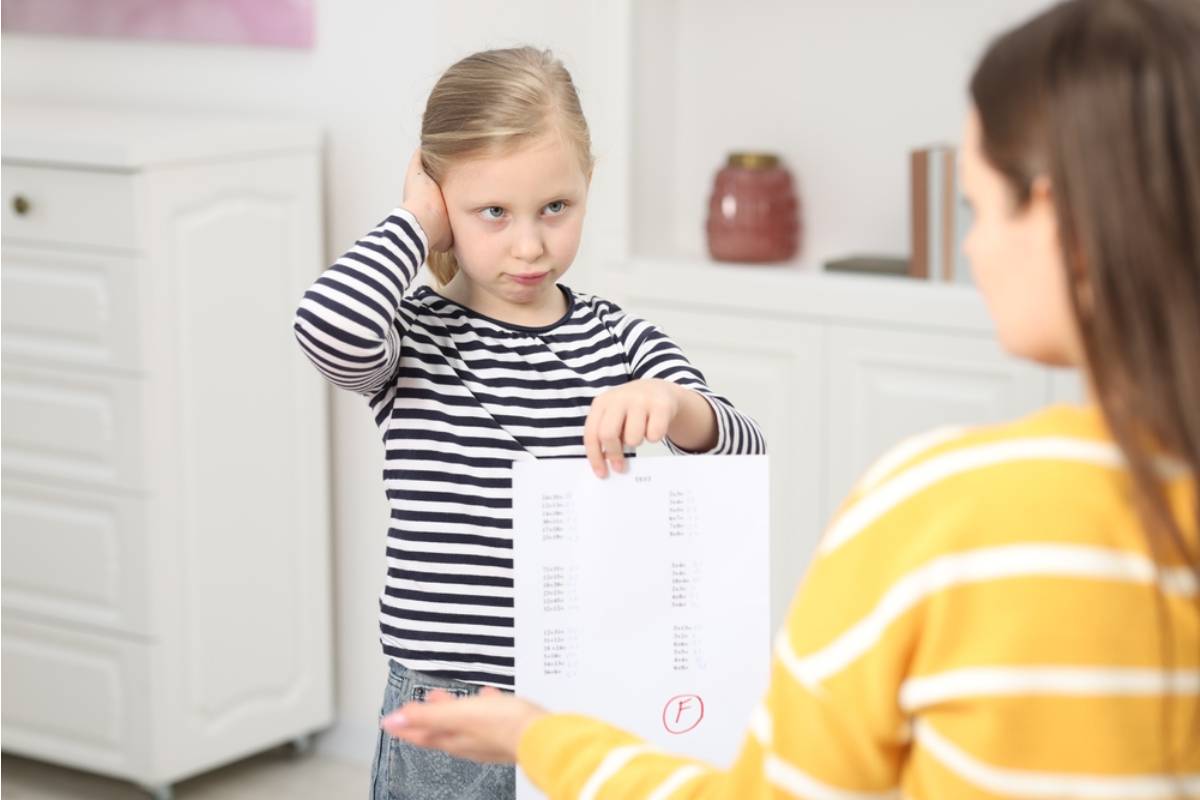
Dad Says He Refused to Ground His Daughter for Getting a B Minus Like His Wife Wanted, Now She Says He’s “Undermining Everything She Does”

It began on a Tuesday evening when report cards came home in a plain white envelope. The daughter placed it on the kitchen counter without saying much and went straight to her room. Her mother opened it first and immediately stopped at one line. A B minus in algebra stood out among otherwise strong marks. The reaction was not loud at first, just a long silence that made the room feel smaller. The father assumed it would be discussed calmly like most things in their house.
A Reaction That Felt Immediate and Final
The mother did not wait for dinner to finish before bringing it up. She said the grade showed carelessness and needed consequences right away. Her voice was steady but sharp, the kind that leaves little room for discussion. She suggested grounding for the weekend to reinforce accountability. The father asked if one grade justified that response. That question changed the tone of the conversation instantly.
Different Views on What Failure Means
The mother explained that discipline now prevented bigger problems later. She pointed out that the daughter had been capable of higher scores earlier in the semester. The father responded that one slip did not erase months of effort. He said pressure without context could do more harm than good. The daughter remained upstairs during the discussion, unaware of how divided the conversation had become. Neither parent wanted to be the one who backed down.
The Daughter Overhears More Than She Should
Later that night, the daughter came downstairs for water and overheard part of the argument. She heard her name and the word grounding used in the same sentence. She paused at the bottom step but did not interrupt. Instead, she quietly returned to her room without being noticed. The silence that followed felt heavier than the argument itself. Neither parent realized she had been listening.
A Morning That Pretends Nothing Happened
The next day, both parents acted like the conversation was still open for discussion. The mother prepared a list of expectations for improved study habits. The father asked his daughter how she felt about the grade without mentioning punishment. She answered carefully, saying she would try harder. Her tone suggested she was more focused on avoiding conflict than discussing the actual subject. The tension remained just below the surface.
The School Email That Adds Pressure
An email from the math teacher arrived later that week mentioning optional tutoring sessions. The mother saw it as proof that intervention was needed immediately. The father saw it as support rather than correction. They interpreted the same message in completely different ways. The daughter did not mention the email at all when asked. That silence became another point of concern.
A Conversation That Turns Into a Standstill
That evening, the parents tried to revisit the topic again in the kitchen. The mother insisted that consequences teach responsibility. The father argued that fear can shut down motivation instead of improving it. The daughter stood nearby pretending to organize her backpack. She asked if they were talking about her again without looking up. Neither parent answered directly, which confirmed her suspicion.
A Teacher Sees a Change in Class
At school, the math teacher noticed the student becoming quieter in group work. She still completed assignments but hesitated before answering questions. When asked privately, the student said she was fine and just wanted to improve her grade. The teacher flagged it as mild stress but not alarming. Still, she made a note to keep an eye on it. The situation was beginning to show outside the home.
The Weekend That Was Supposed to Set Things Straight
By Friday, the mother decided grounding would be enforced despite the father’s disagreement. The father refused to participate in the punishment. This created confusion in the household about who was setting the rules. The daughter noticed the inconsistency immediately and became withdrawn. She spent most of the weekend in her room without being told to. The punishment lost clarity before it even began.
A Breakdown in Consistency
On Saturday morning, the mother reminded the daughter she was grounded. The father later told her she could still go out for a short study group. The daughter hesitated, unsure which instruction to follow. She eventually stayed home to avoid choosing between conflicting expectations. Both parents realized their disagreement was now shaping her behavior more than the grade itself. That realization did not lead to agreement, only frustration.
A Moment of Frustration Becomes Personal
The mother told the father he was undermining her authority in front of their child. She said discipline could not work if one parent constantly softened consequences. The father replied that harsh reactions without agreement were just as damaging. The argument shifted from the grade to their parenting styles. The daughter heard parts of it again from upstairs. This time she closed her door more firmly.
The Daughter Finally Speaks Clearly
On Sunday evening, the daughter came downstairs and asked both parents to sit with her. She said the grade already made her feel like she had failed. She explained that hearing them argue made her feel worse, not motivated. She admitted she had been struggling in algebra but was too embarrassed to ask for help earlier. The conversation shifted for the first time from discipline to understanding. Both parents stopped interrupting and listened.
A Different Plan Replaces the Punishment
After a long silence, the mother suggested tutoring instead of grounding. The father agreed, but emphasized consistency moving forward. The daughter nodded and said she would try the tutoring sessions at school. The idea of punishment faded into the background without being formally mentioned again. The focus shifted toward rebuilding confidence rather than enforcing consequences. The argument did not fully disappear, but it changed direction.
What Lingered After the Decision
In the days that followed, things felt calmer but not fully resolved. The mother still believed structure was important, while the father still worried about overreaction. The daughter improved slowly with help from tutoring sessions. None of them forgot how quickly the situation escalated over a single grade. The B minus remained on the report card, but it no longer carried the same weight. What stayed was the realization that disagreement at home can shape failure just as much as the grade itself.