Dad Says He Refused to Let His Son’s Teacher Read His Private Journal Entry to the Class as an Example of “Honest Writing”

Michael Harris never expected a routine email from his son’s English teacher to leave him staring at his phone in disbelief. The message praised thirteen year old Owen for submitting one of the most heartfelt journal entries she had read all year.
At first, Michael smiled because Owen had always struggled to enjoy writing assignments. Then he reached the final paragraph of the email, where the teacher explained she wanted to read the journal entry aloud to the class as an example of honest, emotional writing.
She assured him that students would benefit from hearing such authentic work. Instead of feeling proud, Michael felt an immediate knot form in his stomach because he knew exactly what Owen had written about.
The Assignment Seemed Simple Enough
Earlier that week, Owen’s class had received a journal prompt asking students to write about something that had changed the way they viewed themselves. The teacher emphasized that grammar would not affect the grade. She wanted students to focus on honesty instead of perfection.
Owen spent nearly an hour working quietly at the kitchen table that evening. Michael noticed him stopping several times before continuing to write. When he finally closed the notebook, he slipped it into his backpack without discussing what he had written.
A Story Few People Knew
Michael had not read the journal himself because he respected Owen’s privacy. Still, he knew the assignment likely centered on the hardest year their family had experienced. Two years earlier, Owen’s older brother had been seriously injured in a car accident.
Although his brother eventually recovered, the months that followed changed everyone in the family. Owen often felt invisible while adults focused on hospital visits and medical appointments. Michael suspected those memories had found their way onto the page.
A Request That Felt Wrong
The teacher’s email included a sentence asking for permission to share the journal during the next class discussion. She promised not to mention Owen’s name until afterward because she wanted students to focus on the quality of the writing first.
Michael immediately replied that he was uncomfortable with the idea. He thanked her for appreciating Owen’s work but explained that the assignment had been presented as a private journal. In his mind, the purpose of honest writing disappeared the moment students worried their personal thoughts might become public.
Owen Learns About the Email
That evening Michael showed the message to his son. Owen’s face quickly lost all color as he read it. He quietly asked, “She wants to read all of it?”
Michael nodded. Owen admitted he had written things he had never spoken aloud, even at home. The journal described feeling guilty for being healthy while his brother struggled to recover. He never expected anyone except his teacher to read those words.
A Difficult Conversation With the Teacher
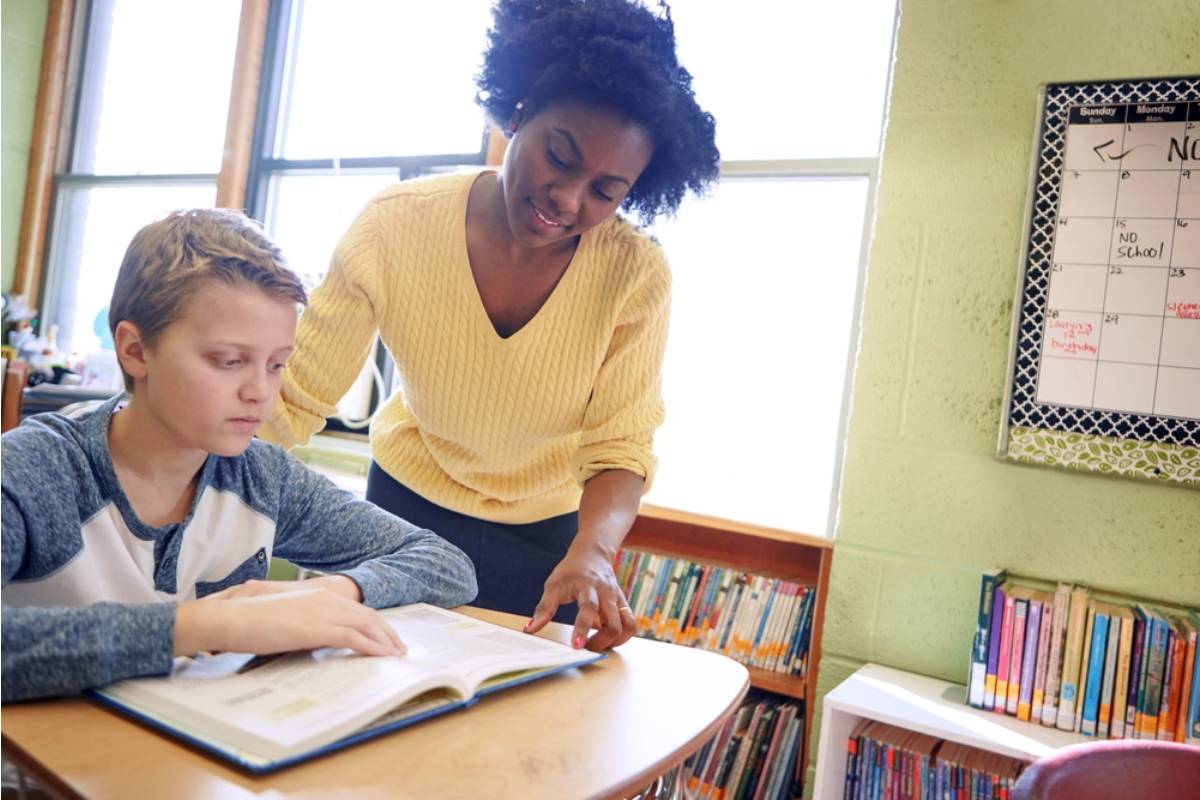
The following afternoon Michael met with Mrs. Lawson after school. She greeted him warmly and explained that Owen’s journal demonstrated remarkable maturity. She believed it could encourage other students to write more honestly.
Michael listened carefully before answering. He explained that his concern had nothing to do with her intentions. His concern centered on trust. If students believed private reflections might later become classroom examples, many would stop writing honestly altogether.
Different Views of Privacy
Mrs. Lawson admitted she had asked students to assume their journals would remain between themselves and the teacher unless permission was granted. Since she had requested permission first, she believed she was respecting that understanding.
Michael appreciated her asking before acting. Still, he pointed out something she had not considered. Owen now knew his teacher valued the journal enough to share it publicly. Even declining the request made him worry his answer might disappoint her.
The Principal Joins the Discussion
Because both Michael and Mrs. Lawson wanted to resolve the issue respectfully, they invited the principal into the conversation. Rather than treating the meeting like a disagreement, everyone focused on the purpose of reflective writing.
The principal asked a simple question. “What lesson do we want students to remember after this assignment?” The room became quiet because the answer suddenly felt more complicated than anyone expected.
Owen Speaks for Himself
Instead of allowing adults to continue guessing his feelings, Owen agreed to attend part of the meeting. He calmly explained that he appreciated his teacher’s praise. Knowing his writing mattered made him feel proud.
Then he admitted something that changed the conversation. “If I thought there was even a small chance someone else would hear it, I never would have written the truth.” Nobody interrupted because his words answered the principal’s question better than anyone else could.
A New Understanding Emerges
Mrs. Lawson looked genuinely emotional after hearing Owen’s explanation. She admitted she had viewed the journal primarily as an exceptional piece of writing. She had not fully considered that its value came directly from the privacy students believed they had.
She apologized for unintentionally putting Owen in an uncomfortable position. Her admiration for his work remained unchanged, but she realized protecting his trust mattered even more.
Another Way to Teach the Lesson
Instead of using Owen’s journal, Mrs. Lawson created a new classroom activity. She wrote an original example herself that demonstrated emotional honesty without exposing any student’s personal experiences. She also discussed why writers deserved control over deeply personal stories.
Students responded with thoughtful questions about privacy, trust, and creative expression. Many admitted they had wondered who actually read classroom journals. The discussion became one of the most meaningful conversations of the semester.
A Quiet Shift in the Classroom
Over the next several weeks Mrs. Lawson noticed something encouraging. Students continued writing openly because they understood their journals remained personal unless they chose otherwise. Several even thanked her for making that expectation clear.
The classroom atmosphere changed in subtle ways. Students took greater emotional risks in their writing because they no longer feared unexpected attention. Trust became part of the learning process instead of something assumed.
An Unexpected Letter Arrives
Near the end of the school year Michael received another email from Mrs. Lawson. This one contained no requests. Instead, she thanked him for challenging her perspective in a respectful way.
She explained that she had changed her approach not only for Owen’s class but for every future class she would teach. The experience reminded her that protecting a student’s willingness to be vulnerable mattered more than showcasing excellent writing.
Owen Finds Confidence in His Own Voice
Months later Owen entered a district writing contest with a fictional short story. The characters faced challenges inspired by real emotions, but the details belonged entirely to his imagination. He earned recognition for the story and happily shared it with friends and family.
Michael noticed the difference immediately. This time Owen chose what to reveal and what to keep private. That choice made all the difference because it belonged to him alone.
A Lesson Bigger Than One Assignment
Looking back, Michael never regretted refusing permission to share the journal. He understood why the teacher admired the writing, but he believed some stories gained their strength from being trusted rather than displayed. Owen’s experience reminded everyone involved that honesty cannot be separated from safety.
The meeting ultimately strengthened the relationship between the family and the school because it encouraged open conversation instead of resentment. Mrs. Lawson became an even more thoughtful teacher, Owen became a more confident writer, and Michael felt reassured that speaking up respectfully could protect something far more valuable than a single classroom example. Sometimes the most important lesson students learn is that their most personal words still belong to them, even after they have been graded.