

Foods We Pretend Are Healthy When Packing Lunches That Might Surprise You

Packing lunches can feel like a daily challenge, especially when you want to make sure you’re choosing foods that are actually good for you. Sometimes, what looks like a healthy pick sneaks in extra sugar, salt, or processed ingredients that aren’t doing you any favors.
It’s easy to get fooled by marketing or habit, especially on busy mornings. Let’s take a closer look at some popular lunchbox items that might not be as nutritious as they seem.
Flavored Yogurt with Added Sugars

Flavored yogurt is a common lunchbox staple, but many brands load it up with sugar. This can turn an otherwise healthy snack into something more like dessert.
Some yogurts have more sugar than you’d expect, thanks to syrups and sweeteners added for taste. Choosing plain yogurt and adding your own fruit lets you control the sweetness.
The probiotics and protein in yogurt are great, but too much added sugar can take away from those benefits. Always check the label so you know what you’re really getting.
Granola Bars Loaded with Sweeteners

Granola bars seem like a smart grab-and-go snack, but many are packed with sugar. Sometimes, you’re eating as much sugar as a candy bar without realizing it.
Watch out for sweeteners like glucose syrup or “evaporated cane juice” on the ingredient list. These make bars taste good but don’t add much nutrition.
Look for bars with simple ingredients, low sugar, and a bit of protein and fiber to keep you full. Making your own at home with oats, nuts, and a touch of honey gives you control over what’s inside.
Pre-Packaged Sandwiches with Processed Meats

Pre-packaged sandwiches are convenient, but the meats inside are often loaded with salt, sugar, and preservatives. These extras can make the sandwich less healthy than it appears.
Processed meats are usually high in sodium, which isn’t great for your heart over time. Choosing fresh meat from the deli counter and adding veggies makes for a better sandwich.
Fruit Snacks Instead of Fresh Fruit

Fruit snacks are easy to toss in a lunchbox, but most are closer to candy than real fruit. They often have added sugars and very little actual fruit.
Fresh fruit offers natural vitamins, fiber, and hydration. Dried fruit can be a good backup, but watch for added sugars and keep portions small.
Simple options like apple slices, grapes, or berries are quick to pack and much healthier. Your body will thank you for choosing real fruit over fruit snacks.
Veggie Chips High in Sodium

Veggie chips sound healthy because they’re made from vegetables, but most store-bought versions are high in sodium. The extra salt can add up fast.
Sometimes, these chips have as much sodium as regular potato chips. Too much salt is something to watch, especially if you eat chips often.
Check nutrition labels and look for lower sodium options, or try making your own veggie chips at home. Baking or air frying lets you control the seasoning.
Sweetened Iced Teas or Juice Drinks

Bottled iced teas and juice drinks can seem like a refreshing addition to lunch, but they often hide a lot of sugar. That sugar adds empty calories and can leave you hungry again soon.
Even drinks labeled as “natural” or “light” can be loaded with sweeteners. Choosing water or unsweetened drinks is a better way to stay hydrated.
Making your own tea at home lets you decide how much sweetness to add. Whole fruit or plain water are usually the healthiest choices for your lunch drink.
Low-Fat Salad Dressings with Hidden Oils
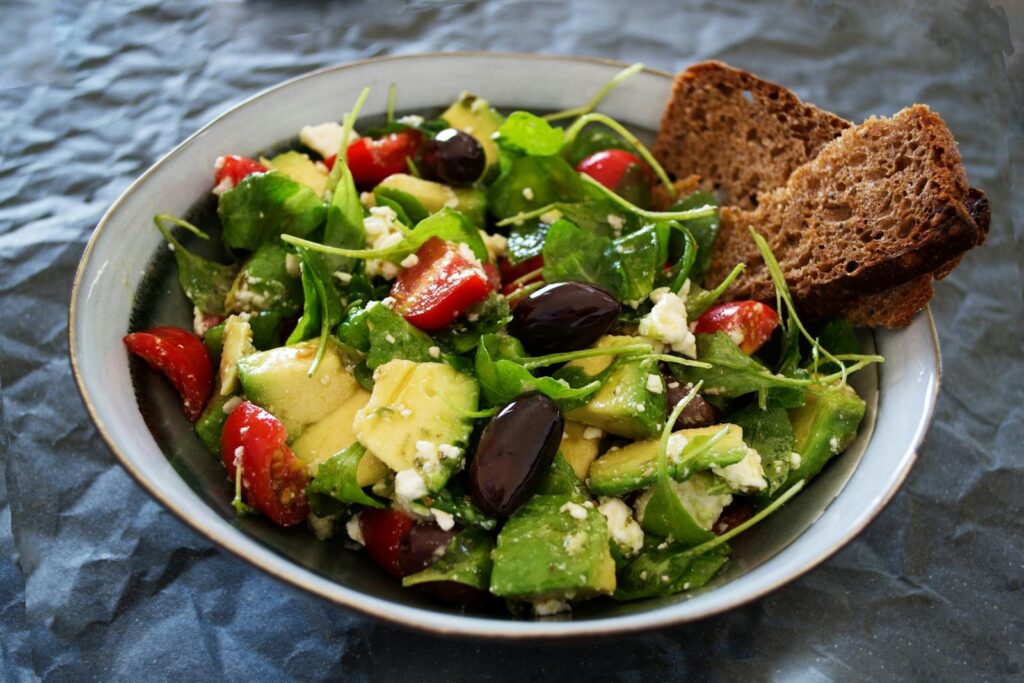
Low-fat salad dressings might sound healthy, but many contain oils that aren’t great for you. These oils, often labeled as vegetable or seed oils, can be high in omega-6 fats.
Too much omega-6 can lead to inflammation if eaten often. Some low-fat dressings also add sugar to make up for missing fat.
Look for dressings made with olive or avocado oil, which have healthier fats. Reading labels helps you avoid unwanted ingredients and keep your salad truly nutritious.
Instant Lunch Noodles

Instant noodles are a go-to for quick lunches, but most are high in salt, unhealthy fats, and preservatives. They’re filling, but not always the healthiest choice.
Adding fresh veggies or lean protein can make them a bit better. Using less of the seasoning packet helps cut down on sodium.
Some brands offer noodles with more fiber or protein, so check the label. Swapping in whole grain noodles and extra veggies can make your meal more balanced.
White Bread Sandwiches
White bread is an easy base for sandwiches, but it’s made from refined flour with less fiber and fewer nutrients. It can cause your blood sugar to spike and leave you hungry sooner.
Many white breads also sneak in extra sugar and salt. Choosing 100 percent whole grain bread means more fiber, vitamins, and longer-lasting energy.
Switching to whole grain bread is a small change that makes a big difference in your lunch.
Pre-Made Pasta Salads with Mayonnaise
Pre-made pasta salads with mayonnaise are quick and tasty, but they’re often high in fats and simple carbs. The creamy dressing adds extra calories without much nutrition.
These salads usually don’t have enough veggies or protein, so you might end up hungry again soon. Look for versions with more veggies and a lighter dressing, or make your own at home.
Adding fresh vegetables and using olive oil or a simple vinaigrette keeps your pasta salad satisfying and better for you.
Why “Healthy” Labels Can Be Misleading
It’s easy to trust foods labeled as “healthy,” but packaging can be deceiving. Marketing terms like “natural” or “light” don’t always mean a product is good for you.
Bright colors and pictures of fresh foods on the packaging can make you think something is nutritious, even if it’s high in sugar, salt, or hidden fats.
Ingredient lists tell the real story. Ingredients are listed from most to least, so pay attention to what’s at the top.
Watch out for long lists with unfamiliar names or lots of additives. Sugar can show up under many different names, and “low fat” products often add sugar for flavor.
Sticking to foods with simple, recognizable ingredients helps you make better choices for your lunch.
Tips for Making Truly Nourishing Lunches
Making lunches that actually fuel you is about choosing foods that keep you full and energized. Swapping out processed items for whole foods makes a big difference.
Pick whole grain or sprouted breads instead of white bread. These have more fiber and keep you satisfied longer.
Replace packaged snacks with fresh veggies, nuts, or fruit. Carrot sticks or apple slices add vitamins without extra sugar or salt.
Focus on simple, natural ingredients and keep an eye on labels. Small changes can turn your lunch into something that really supports your day.
Reading Nutrition Facts with Confidence
Ever picked up a snack that seemed healthy, only to realize later it was packed with sugar or salt? Understanding nutrition labels can help you avoid surprises and make better choices for your lunch.
Start by checking for low added sugars, aiming for five grams or less per serving. It’s also smart to keep sodium under 300 milligrams.
Pay attention to serving sizes. Some packages look like they’re meant for one person, but they’re actually two or more servings.
Fiber and protein are your friends. Foods with at least three grams of fiber and a moderate amount of protein can help you stay full longer.
Buzzwords like “natural” or “light” can be misleading. Take a moment to look at the actual numbers on the nutrition facts panel before deciding what goes in your lunch.


