Mom Says Parents Are Glued to Their Phones During Toddler Class, Now Kids Are Getting Hurt and “No One Is Paying Attention”

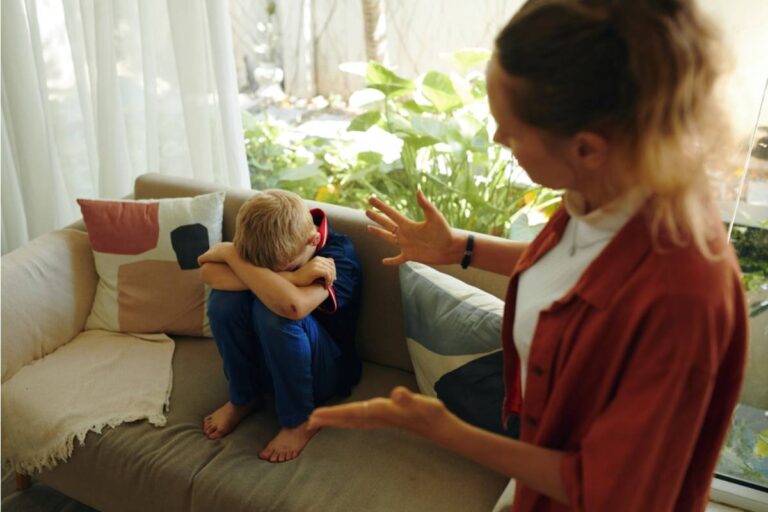
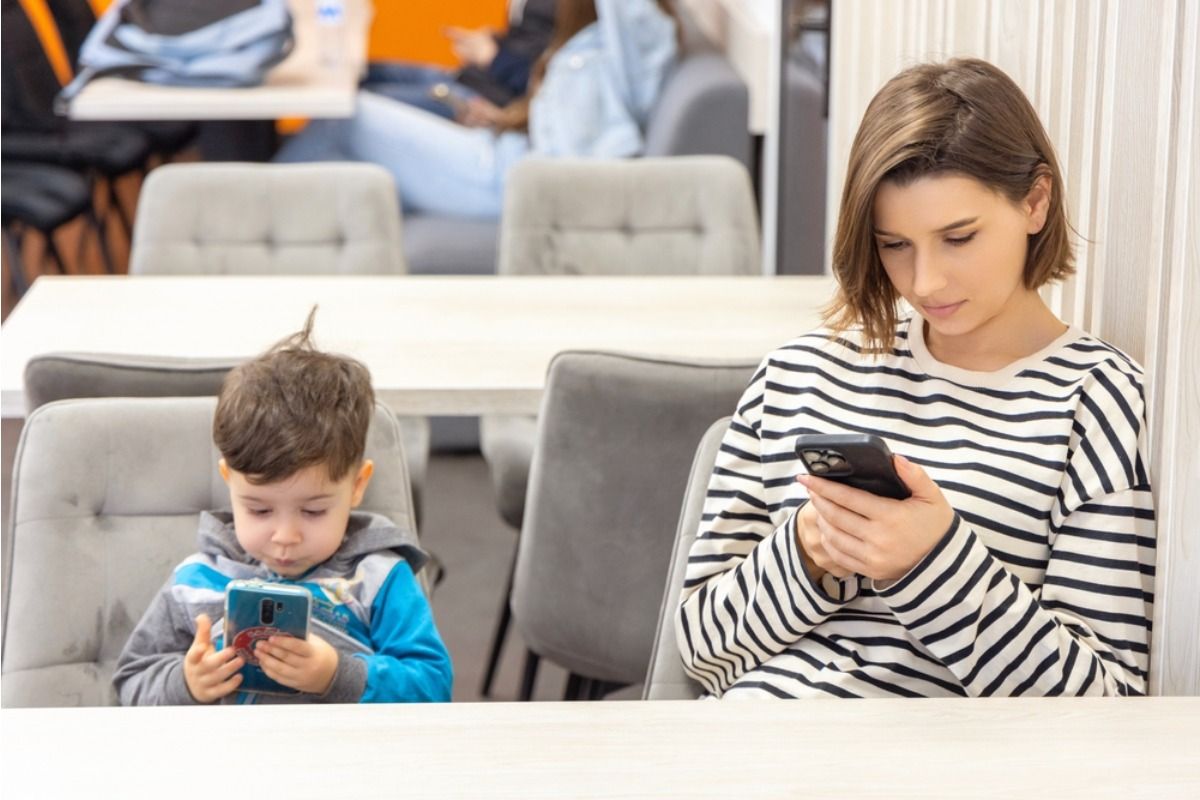
She went to a toddler class to watch her child play and left furious: parents were hunched over their phones, screens lighting up faces while toddlers barreled around the room. “No one is paying attention,” she wrote in a viral Reddit post, and what began as frustration quickly turned into alarm as she watched children trip, collide and scrape knees without an adult noticing. The image of a room full of kids and a sea of screens is unsettling because it feels avoidable, a small change in attention could have prevented an injury and kept a child calm. That is the core of the outcry: in moments when attention matters most, many of us are looking somewhere else.
What happened in the toddler class
The parent who posted on Reddit described a typical weekday session: mats spread out, toys arranged, a teacher calling for songs and activities. Instead of adults leaning in to sing, clap or redirect a budding scrapper, many were scrolling or typing. When a child tumbled off a low play structure and began crying, several parents looked up, shrugged, then returned to their screens. The poster’s plea was raw: get off your phones, she said, because these are the minutes when a watchful eye keeps a child safe and a gentle voice teaches boundaries.
That single moment, a child hurt, a room of caregivers distracted, sparked a wave of comments from other parents who had seen the same thing. For them it wasn’t just about safety: it was about lost chances. Toddler classes are where children learn turn-taking, respond to cues, and feel the comfort of an attentive adult. When phones replace faces, those lessons get muffled.
Why it’s more than annoyance, safety and development are at stake
It’s easy to dismiss a scrolling parent as harmless. But toddlers are fast, impulsive and physically uncoordinated; they test limits constantly. A second’s inattention can mean a fall, a bite or a scrape that should have been stopped before it happened. Beyond the immediate risk, parents’ presence matters for emotional development. Toddlers read expressions and react to the tone and timing of adult responses. An adult who is emotionally available in the moment helps a child feel secure and learn social cues that screens can’t teach.
When multiple caregivers in a room are distracted, the safety net frays. Teachers and staff can’t watch every child, and many programs rely on parents to supervise their own children closely. The consequence is twofold: immediate hazards go unchecked and the subtle, everyday coaching that helps toddlers learn empathy and self-control evaporates.
Why parents are glued to screens, and why that’s understandable
This problem doesn’t come from malice. Many parents are juggling jobs, messages from relatives, scheduling logistics, and the pressure to document milestones. For some, a phone is a lifeline: a boss’s message might demand a response, a health note could arrive, or a sitter’s call needs answering. For others, scrolling fills the awkward silence between activities or eases parental burnout in overstimulating settings.
Still, acknowledging the reasons doesn’t remove the responsibility. Phone use in shared caregiving settings should be balanced against the obvious needs of the children present. The challenge is creating boundaries that respect both parental realities and child safety.
Practical fixes that venues and parents can try
There are simple changes that preserve both connection and convenience. Many programs now adopt explicit phone policies for classes: a “phone-free” corner, times during which phones are put away, or policies that encourage photos only at arrival and departure. Clear signage and a short pre-class reminder from staff can reset expectations without shaming anyone.
Rotation systems work too. If several adults attend with different children, agree to a short schedule where one adult takes active supervision for five to ten minutes while others check phones briefly. Teachers can design activities that draw parents in — group songs or parent-child tasks that make screen use awkward in the best possible way. And when emergencies happen, a single, agreed-upon way to reach parents quickly reduces the need to be perpetually attentive to a device.
What Parents Can Take From This
If this story feels uncomfortably familiar, there are clear steps you can take today. First, be intentional: silence nonessential notifications before you arrive so you’re not tempted to look at your screen. Keep your phone out of reach but visible only for urgent calls. Try a small, achievable commitment — one class phone-free, or just during the busiest 20 minutes, and see how it changes the experience for your child and for you.
Second, communicate with others. A quick word with fellow parents or a friendly suggestion to staff about a phone policy can start a conversation that improves safety for everyone. If you’re planning to take work calls, let the instructor know so expectations are clear.
Finally, remember why you go to these classes. If you want your child to learn social cues, flourish in group settings and stay safe while they explore, your presence matters more than a dozen photos. Put the phone down, lean in, and be the attentive adult the child in your arms needs, the few moments you give will pay dividends in safety, learning and the kind of connection no screen can replace.