Mom Says She Refused to Force Her Shy Kid to Hug Relatives at Every Family Gathering, Now the Grandparents Say She’s “Raising a Rude Child”

The family got together for what was meant to be a straightforward Sunday meal in a suburban Ohio house. The timid five-year-old seldom made eye contact with anyone and remained near her mother’s knee the entire time. When relatives arrived, they immediately reached in with open arms expecting hugs like they always had before.
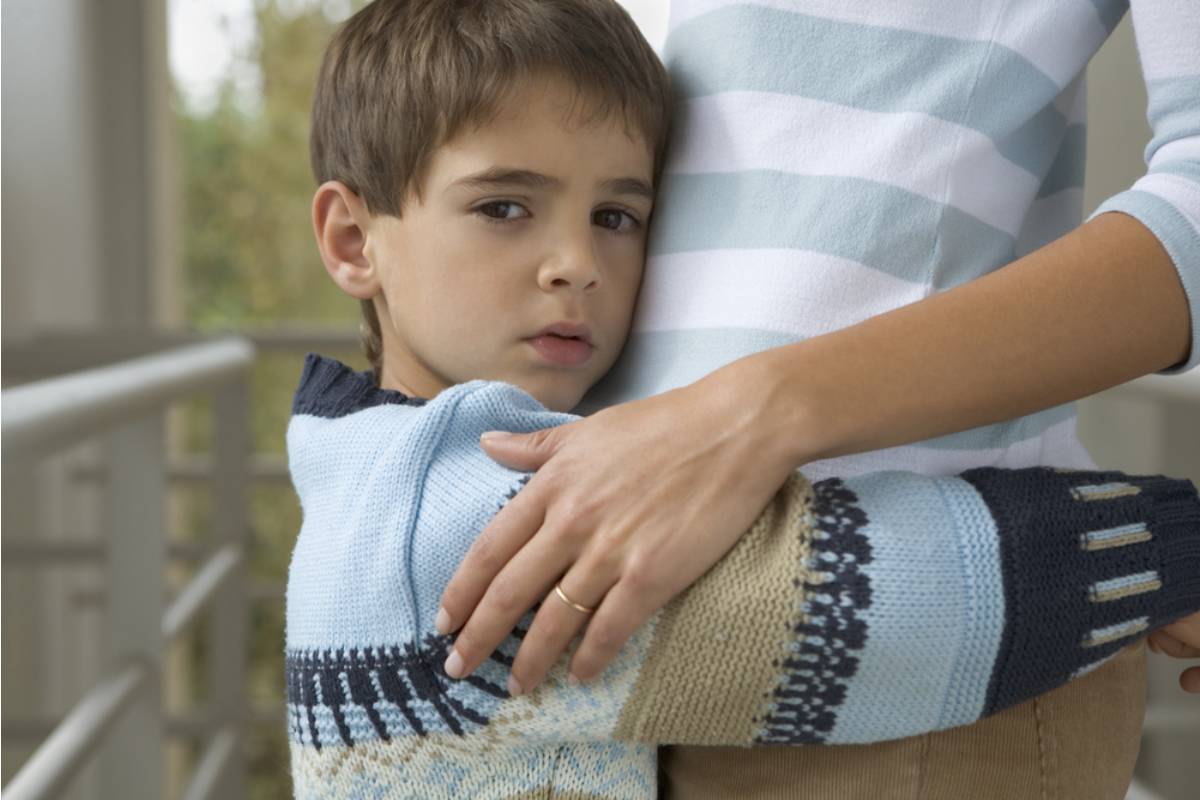
The child stepped back every time, burying her face into her mother’s jeans instead. A few of the older relatives laughed it off, but a couple exchanged confused looks. Her mother noticed the discomfort building and quietly kept her daughter closer instead of pushing her forward.
A Small Refusal That Sparked Big Reactions
Later in the afternoon, an aunt leaned down and asked for a hug goodbye before leaving. The child shook her head firmly and grabbed her mother’s hand tighter. The room went quiet for a moment longer than it should have. Someone joked that kids today were getting too distant, but the tone felt sharper than humor. The mother simply said she did not want to force her child into affection she was not comfortable with. That statement did not sit well with everyone present, even though no one argued openly yet.
The First Conversation After Driving Home
On the drive back, the child fell asleep in the back seat while the parents talked in low voices. The father asked if maybe they should encourage more polite behavior at gatherings. The mother disagreed and said consent should not stop at adults. She explained that forcing hugs might seem small but felt overwhelming to a child who was already shy. The father did not fully agree, but he stopped pushing the topic. They both realized this would not be the last time the issue came up.
Grandparents Take It Personally
A few days later, the grandparents called, clearly bothered by what had happened. The grandmother said she felt rejected and embarrassed in front of the family. She insisted that hugging was just how love was shown in their household. The mother tried to explain that her daughter was not being disrespectful, just cautious with physical contact. The conversation ended with a tense silence and a promise to talk later. Neither side felt understood after the call ended.
The First Label Gets Thrown Around
At the next family group chat discussion, someone casually used the word rude to describe the child. The message was not directly addressed to the mother, but it was clearly about her daughter. The mother replied calmly, saying boundaries were important even for kids. That reply triggered a longer thread of messages from multiple relatives. Some agreed, but others said the child was being raised without manners. The tone of the chat shifted from concern to quiet judgment.
A Second Gathering Turns Awkward Fast
When the family met again for a birthday party, tension was already in the air. Relatives approached the child more cautiously this time, some still expecting hugs while others hesitated. The child again avoided physical contact, staying close to her mother throughout. A few relatives whispered among themselves after interactions. The mother noticed the growing discomfort but stayed consistent in how she responded. The celebration continued, but the warmth felt noticeably reduced.
A Corner Conversation Between Adults
In the kitchen, the grandmother finally confronted the mother directly. She said the child was creating distance in the family that had never existed before. The mother replied that respect should not require physical affection. The grandmother argued that refusing hugs felt like rejecting the person entirely. Their voices stayed controlled, but the disagreement was firm and emotional. Neither side convinced the other, and they walked away still upset.
The Child Becomes the Talking Point
After that gathering, conversations about the child started happening without the parents present. Relatives described her as shy but also stubborn in ways they did not understand. Some suggested she needed more social pressure to “come out of her shell.” Others quietly admitted they did not know how to interact with her anymore. The mother heard these comments through indirect channels and felt increasingly isolated. What began as a parenting choice was now a family debate.
The Father Starts Feeling the Pressure
The father began receiving separate calls from relatives expressing disappointment. Some urged him to step in and correct what they saw as permissive parenting. He found himself stuck between defending his daughter and maintaining peace in the family. At home, he admitted to his wife that the pressure was starting to wear him down. She reminded him that their child was not doing anything wrong by setting boundaries. The disagreement between adults grew more serious as outside opinions increased.
A Small Incident at a Grocery Store
One afternoon, a relative unexpectedly ran into the family at a local store. The relative bent down to greet the child and asked for a hug. The child stepped back and held onto her mother’s hand instead. The relative smiled awkwardly but later told others she felt embarrassed in public. The mother noticed the discomfort but did not force her daughter to respond differently. That moment became another story repeated within the family discussion.
The Word That Changed Everything in the Chat
In the family group chat, someone finally wrote that the mother was raising a rude child who did not respect elders. The message received several reactions, some supportive and some silent. The mother responded that respect is taught in many ways, not through forced physical affection. The conversation escalated quickly, with old frustrations resurfacing. Eventually, the chat went quiet, but the damage had already been done. People began choosing sides more openly after that exchange.
A Final Attempt to Set Expectations
The mother invited the grandparents over for a private conversation to clear things up. She explained again that her daughter would greet people in her own way, sometimes with waves or verbal hellos. The grandparents said they understood but still felt hurt by the change. They admitted they missed the warmth they associated with hugs. The conversation ended without agreement, only a fragile attempt to avoid further conflict. Everyone left the discussion still holding their original beliefs.
A Family Gathering That Felt Different From Before
At the next major gathering, the atmosphere was noticeably careful. Relatives no longer reached out automatically, but there was still hesitation in how they interacted. The child stayed close to her parents and greeted people softly without physical contact. Some relatives accepted it more easily, while others remained visibly uncomfortable. The grandparents interacted politely but kept some emotional distance. What once felt like a simple family tradition had turned into an unspoken divide that no one knew how to fix.