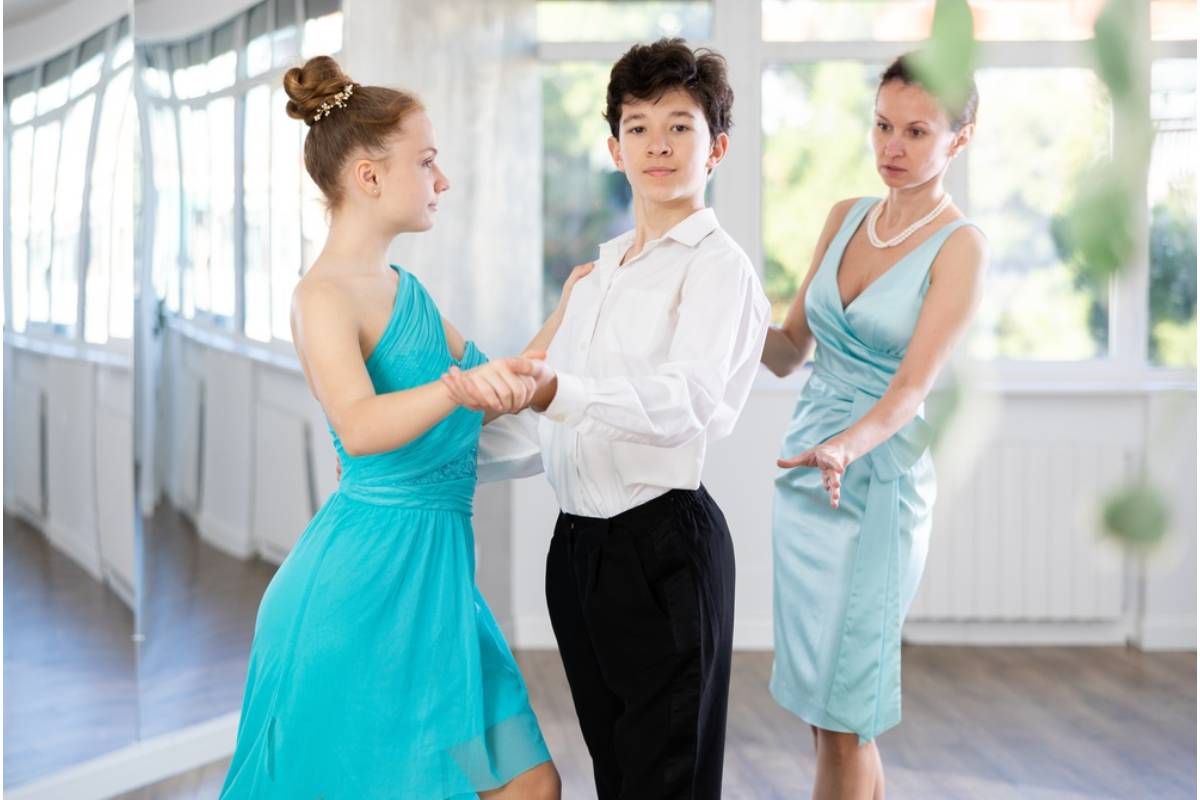
Mom Says She Refused to Let Her Daughter’s Dance Teacher Comment on Her Weight Again Without Speaking to Her First, Now the Studio Calls Her “Too Involved”

It started after a Thursday dance class that was supposed to be routine. The studio was preparing for a regional recital, and parents were used to quick pickups and short updates at the door. That day, the girl came out quieter than usual, holding her bag a little tighter than normal. Her mother noticed immediately that something had shifted. When asked what happened, the answer came slowly and carefully.
The Comment That Changed the Atmosphere
During class, the instructor had gathered the students in front of the mirror for corrections. While adjusting posture, she made a remark about maintaining a “lighter frame” for lifts and stage presence. The girl said the comment was directed at her specifically after she struggled with a routine. She did not argue in class, but she remembered every word. On the ride home, she barely looked out the window.
A Mother Listens More Carefully Than Before
That evening, the mother asked her daughter to explain exactly what was said. The girl repeated it almost word for word, including how a few classmates reacted with awkward silence. The mother had heard general feedback before, but this felt more personal than instructional. She asked if the comment was part of normal coaching. Her daughter shrugged, unsure but uncomfortable. That uncertainty bothered her more than a clear answer would have.
The Studio’s Usual Way of Handling Feedback
The next day, the mother called the studio office. She expected to leave a message and receive a standard response later. Instead, she was told the instructors were trained to give performance feedback directly in class. The staff member explained that corrections often included posture, strength, and body awareness. The mother listened but kept returning to the specific wording her daughter had used. The conversation ended without resolution.
A Return to Class With New Tension
When the girl returned to practice, she moved more cautiously than before. She still followed instructions, but she hesitated before attempting lifts or turns. The instructor corrected her form again, but with less verbal explanation this time. The girl nodded without asking questions. Other students continued practicing as usual. The difference was subtle, but noticeable.
A Conversation After Practice Turns Serious
After pickup, the mother asked to speak briefly with the instructor at the door. She asked whether weight related comments were part of the training approach. The instructor replied that dancers must be aware of physical conditioning for safety and performance. The mother responded that wording matters, especially for teenagers. The exchange stayed polite, but both sides became visibly guarded. Other parents waiting nearby began to notice the tension.
The Studio Director Gets Involved
A few days later, the studio director invited the mother for a meeting. She was told concerns had been raised about communication boundaries. The director explained that instructors needed room to coach without constant parental interpretation. The mother replied that she was not questioning technique, only tone and impact. The director suggested that frequent pushback could disrupt class flow. That was the first time the word “overinvolved” was used.
The Daughter Begins To Pull Back
At home, the girl started avoiding detailed talk about class. When asked how practice went, she often answered with short phrases like “fine” or “normal.” She still attended every session, but her enthusiasm felt muted. The mother noticed she stopped practicing in front of the mirror at home. It was not rebellion, just hesitation. That shift made the situation feel heavier.
A Studio Parent Group Conversation
During pickup one evening, another parent quietly mentioned hearing similar concerns from their child. She said her daughter sometimes felt singled out during corrections. The conversation stayed informal, but it confirmed the mother was not alone in her interpretation. Others around them nodded without adding much. It became clear this was not an isolated complaint. Still, no one wanted to escalate it further.
The Instructor’s Perspective Explained
In a follow up discussion, the instructor clarified her coaching approach. She said dancers often needed direct feedback to prepare for auditions and competitions. She insisted that comments about strength and conditioning were standard in the industry. She also said she never intended to target anyone personally. The mother acknowledged the intent but emphasized the emotional effect. The gap between intent and impact remained unresolved.
The First Formal Warning From the Studio
The studio eventually sent a message stating that communication should remain within established channels. It reminded parents that direct correction of teaching methods was discouraged. The tone was neutral but firm. The mother read it more than once, trying to understand whether she had crossed a line. She replied only with a request for clarification. No further detail was provided.
A Rehearsal Where Everything Feels Different
During the next group rehearsal, the instructor maintained a more formal tone than usual. Corrections were brief and focused strictly on technique. The girl performed her routine without being singled out. She completed the session successfully, but something felt missing. After class, she left quickly without lingering. The usual chatter among students had faded for her.
A Decision Made Outside the Studio Door
The mother stood outside the studio longer than usual after pickup. She watched her daughter sit quietly in the car, not rushing to talk about class. It was clear the situation had shifted beyond a single comment. The mother was no longer just responding to feedback but to how it was delivered. The studio saw her as too involved. She saw herself as someone trying to prevent lasting harm. Neither side was willing to fully step back.