Parent Considers Putting a Camera Inside His Teen Son’s Car, But His Wife Thinks It Goes Too Far

A parent found himself facing a familiar problem that comes with watching a child become independent: his son had just earned his driver’s license. The teenager was using the family’s old SUV to get to school and even driving himself to weekend jobs, which meant he was suddenly responsible for a large and potentially dangerous machine without a parent sitting beside him. The parent said he trusted his son, but a recent story about a friend’s teenager rear-ending another vehicle while texting had made that trust harder to relax into.
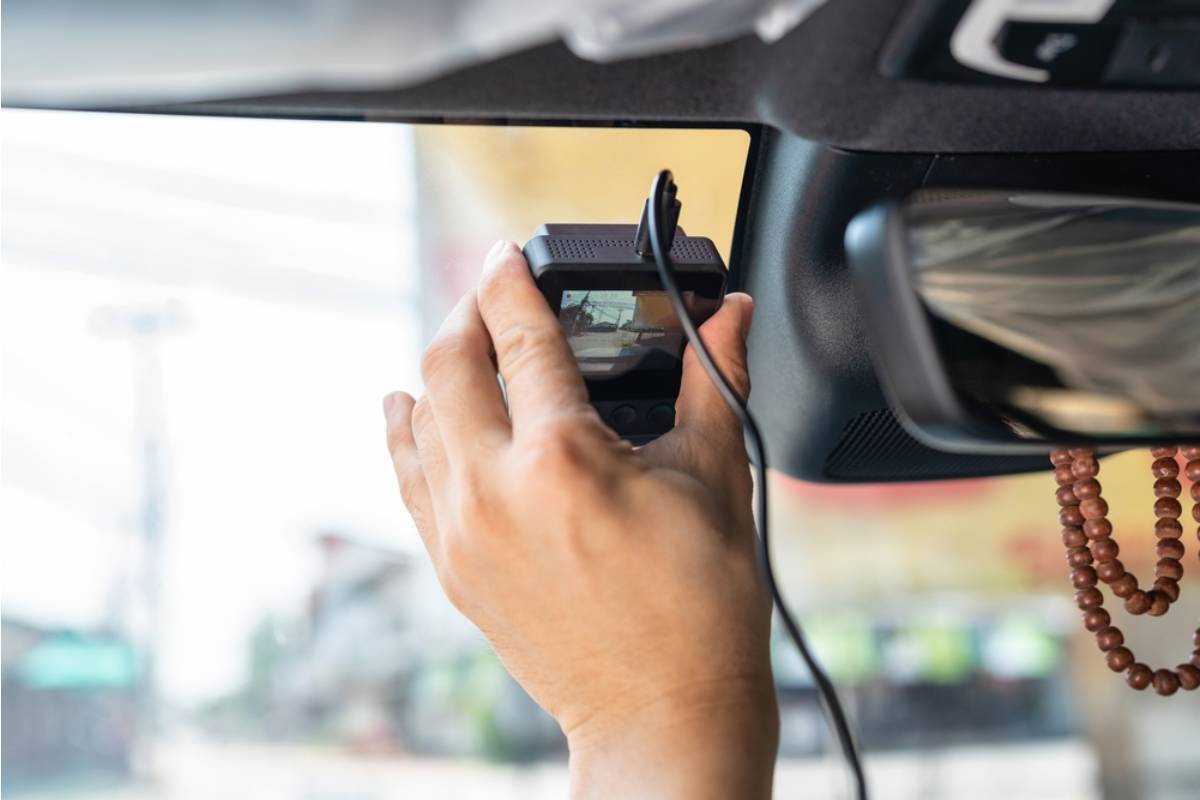
The incident had reportedly resulted in months of repairs and insurance complications, leaving the parent thinking about what could happen if his own son made a similar mistake. Rather than simply worrying, he started looking at technology that might provide some reassurance. That was where the idea of a three-camera dash cam entered the picture, complete with cameras facing the road, the rear of the vehicle, and the cabin.
The Camera Would See More Than the Road
The proposed setup wasn’t just intended to capture accidents. The parent was considering a system that could record the inside of the SUV, while also logging the vehicle’s speed and route. If something happened, he could potentially look back at the footage and determine whether his son had been distracted or using his phone.
That possibility was precisely what made the decision uncomfortable. An exterior dash cam could protect the teenager if another driver caused an accident, but an interior camera would also allow his parents to see what he was doing while driving. His wife believed that crossed an important line and could make their son feel watched rather than trusted.
The Wife Saw a Different Problem
The parent’s wife wasn’t necessarily against dash cams altogether. Her concern was specifically about putting a camera inside the vehicle and using it to monitor their son. From her perspective, the device could send a very different message from the one they were trying to communicate.
The parent had already told his son that he trusted him. Installing a camera that could later be used to determine whether he had been texting could make that statement feel hollow. The debate therefore wasn’t really about technology, but about how much supervision was appropriate once a teenager had been given the freedom to drive alone.
Many Parents Drew the Line at the Cabin
A number of responses supported the idea of a dash cam, but most drew a sharp distinction between recording the road and recording the driver. One person said they would happily put front and rear cameras in a young driver’s vehicle, but wouldn’t install an interior camera. Their reasoning was that constantly knowing they were being recorded could actually make a young driver more nervous and potentially less safe.
Others made a similar argument from experience. A front-and-rear camera was described as useful protection if an accident occurred, particularly when determining who was responsible. The cabin camera, however, was viewed as something fundamentally different because its purpose wasn’t simply documenting an accident.
The Accident Argument Made Sense
The strongest argument in favor of a conventional dash cam was straightforward. Nobody can control what another driver does, and a recording of an accident can sometimes provide valuable evidence when insurance companies or police need to determine what happened. Several people said they use dash cams themselves and planned to put them in their children’s cars for exactly that reason.
One person explained that they had personally benefited from dash-cam footage after another vehicle hit them. In that situation, the camera wasn’t monitoring their driving habits or looking for mistakes. It simply provided an objective record of what happened on the road.
But Watching the Driver Was Different
The conversation changed once the purpose shifted from accident protection to monitoring the teenager. One response pointed out that if the parent only planned to review the footage after something went wrong, the camera wouldn’t actually prevent the dangerous behavior in the first place. If the teenager was caught texting after an accident, the evidence wouldn’t undo the accident.
Another person wondered what the parent would actually gain from having proof that his son had been using his phone. The teenager wouldn’t be going to court against his own parents, and consequences for unsafe driving could already be established without producing video evidence. The interior camera therefore seemed to create a new layer of surveillance without necessarily solving the original problem.
Trust Became the Real Issue
Several people argued that the parent needed to decide whether his son was genuinely ready to drive alone. If the answer was yes, then he had to accept that some responsibility now belonged to the teenager. If the answer was no, then a camera wouldn’t really solve the underlying problem.
One response put the situation in simple terms: parents can’t watch their children forever. The teenager would eventually become an adult, and learning to make responsible decisions without constant parental observation was part of growing up. A camera could provide information, but it couldn’t replace judgment, communication, or trust.
The Friend’s Accident May Have Changed the Equation
The parent appeared to be reacting partly to something that happened to someone else. His friend’s child had made a serious mistake, and that story suddenly made the possibility of distracted driving feel much closer to home. The danger itself was real, but several people believed the parent’s anxiety might have been transferring another teenager’s behavior onto his own son.
One response suggested evaluating the son’s actual behavior instead of assuming he would make the same mistake. If he consistently demonstrated responsible habits, such as putting his phone away while driving, then the parents had evidence on which to build their trust. If he repeatedly ignored those rules, the appropriate response might be restricting his driving privileges rather than secretly collecting footage.
One Parent Compared It to Learning to Cook
One particularly detailed response offered an analogy involving a kitchen. Imagine teaching a child how to safely use a stove, watching them demonstrate that they understood the rules, and then deciding they were ready to cook alone. Installing cameras in the kitchen afterward just in case they did something wrong wouldn’t necessarily make cooking safer.
The same reasoning could apply to driving. Parents teach their children the risks, observe their skills, set rules, and eventually allow them to operate independently. Constantly recording them afterward can make independence feel conditional rather than genuine.
Some Parents Suggested a Compromise
Not everyone believed the choice had to be completely black and white. One suggestion was to install a dash cam but establish clear rules about when the footage could be accessed. The parent could tell his son that the recordings would not be reviewed unless there was an accident or another specific safety-related reason.
That approach would turn the camera into a safety tool rather than a monitoring system. The teenager would know exactly what the device was for, and there would be no mystery about whether his parents were checking the footage simply to see what he was doing. For some families, that kind of transparency could preserve trust while still providing useful protection.
Making It About Every Car Could Help
Another person proposed an interesting alternative. If the parent genuinely believed dash cams were useful for accident protection, he could install them in all of the family’s vehicles rather than singling out the teenager’s SUV. That would make the camera a family safety decision instead of something imposed specifically on the youngest driver.
The distinction could matter psychologically. Saying that every family car now has a front-and-rear camera because the family wants better protection in accidents sends a very different message from installing a three-camera system specifically to watch a teenager. The technology remains, but the meaning behind it changes.
The Phone Problem Needed Its Own Solution
Several people pointed out that a camera wasn’t necessarily the best way to deal with distracted driving. If the real concern was phone use, the family could focus directly on preventing that behavior through established rules and technology designed to reduce distractions while driving.
The teenager could be expected to keep his phone inaccessible while the vehicle was moving, use driving modes that reduce notifications, or rely on hands-free systems for necessary functions. More importantly, the family could make the consequences of texting while driving clear before anything went wrong rather than waiting for camera footage to prove a violation.
The Teenager’s Friends Added Another Complication
An interior camera wouldn’t only record the teenager. It could also capture friends, passengers, conversations, and other people who had nothing to do with the original disagreement about distracted driving. One response pointed out that this made the cabin camera feel considerably more invasive.
Even if the parents trusted their son, his passengers might reasonably feel uncomfortable knowing that everything inside the vehicle was being recorded. A road-facing camera could document an accident without turning the entire cabin into a monitored space. That difference became one of the strongest arguments against the three-camera setup.
Some Parents Remembered Being Teenagers
There was also a blunt reminder that teenagers aren’t perfect drivers. One response essentially argued that parents shouldn’t pretend a sixteen-year-old will suddenly behave like a cautious forty-year-old simply because they have a license. Young people can make impulsive decisions without fully appreciating how quickly a harmless-looking action can turn into a serious accident.
But that doesn’t automatically mean they should be monitored continuously. The challenge for parents is determining which risks are normal parts of learning and which indicate that a teenager isn’t ready for the responsibility. A camera can reveal behavior, but parents still have to make that judgment themselves.
The Better Dash Cam Became Clear
By the end of the discussion, a middle ground had emerged. A front-and-rear dash cam seemed reasonable to many parents because it served the same purpose in the teenager’s vehicle that it would serve in anyone else’s. It could document accidents, protect the driver from false claims, and provide evidence when another motorist caused a collision.
The interior camera was much harder to justify. Its purpose wasn’t primarily protecting the teenager from other drivers, but observing what he was doing inside the car. That distinction made the cabin camera feel less like safety equipment and more like parental surveillance.
The Parent Was Really Learning to Let Go
The teenager’s new license had created a larger emotional problem than the parent initially realized. Until recently, the parent could physically see what his son was doing behind the wheel, correct mistakes, and intervene when necessary. Now the teenager was driving to school and work without anyone beside him, and the parent had to accept that he couldn’t control every decision.
That transition can be uncomfortable even when a child is responsible. The parent’s fear wasn’t necessarily evidence that his son was untrustworthy; it was evidence that the consequences of driving were serious and that parental control was shrinking. The question was whether technology would help the family manage that fear or simply give it somewhere new to look.
In the End, Protection and Surveillance Were Not the Same Thing
The responses largely landed on a simple distinction: a dash cam can protect a young driver without necessarily monitoring him. A front-and-rear camera could record the road and provide useful evidence after an accident, while leaving the teenager’s private space inside the vehicle alone.
The interior camera, however, raised a different question about trust. If the parents genuinely believed their son was responsible enough to drive alone, many felt they should give him the opportunity to prove it without secretly or constantly watching him. The twist was that the parent wasn’t really deciding whether to buy a camera at all, but whether he was ready for the uncomfortable next stage of parenting: letting his child make decisions when he wasn’t there to see them.