Parents Are Angry After Teacher Publicly Calls Out a Child in Class and Says It Was “Meant to Motivate Them”

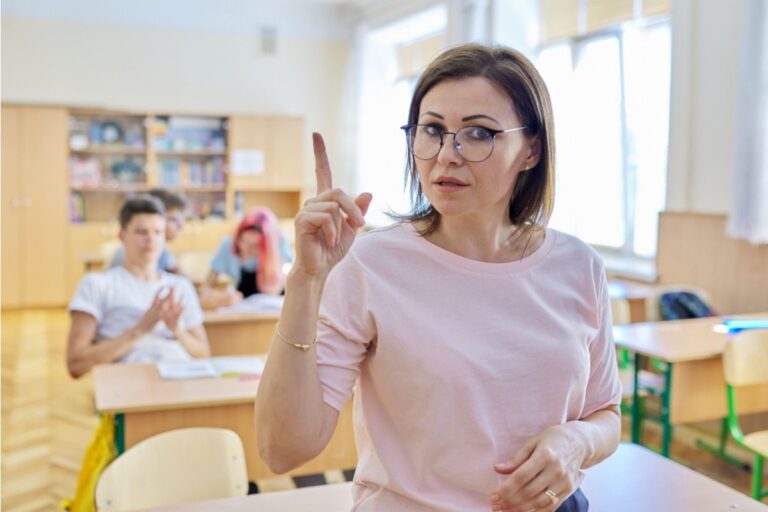
Parents are reacting strongly after reports of a teacher publicly calling out a child in class, saying it was intended as motivation. While some educators believe direct feedback can push students to improve, many families feel that public criticism crosses a line.
Public Call-Outs Can Feel Like Humiliation
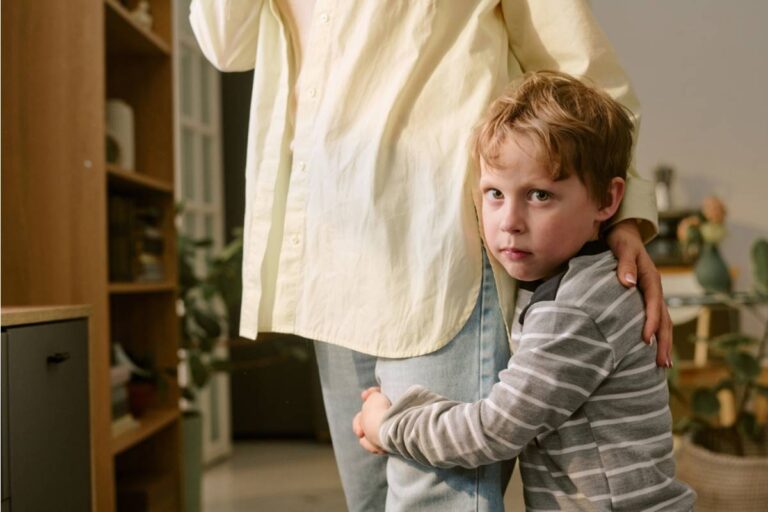
Being singled out in front of classmates can make a child feel embarrassed rather than motivated. Instead of focusing on improvement, the child may become self-conscious. This can affect confidence and willingness to participate. What is intended as encouragement may be experienced as shame. The impact often depends on how it is delivered.
Motivation Works Differently for Each Child
Not all students respond well to pressure or public attention. Some may become more anxious instead of more driven. Others may withdraw or avoid participation. Effective motivation usually considers individual personality and comfort level. A one-size approach can miss these differences. Personal response plays a big role.
Confidence Can Be Affected Long-Term
Repeated public criticism can shape how a child sees themselves in a learning environment. They may start associating school with stress or fear of mistakes. Over time, this can reduce engagement. Confidence is built gradually but can be shaken quickly. The classroom environment matters for emotional safety.
Private Feedback Is Often More Effective
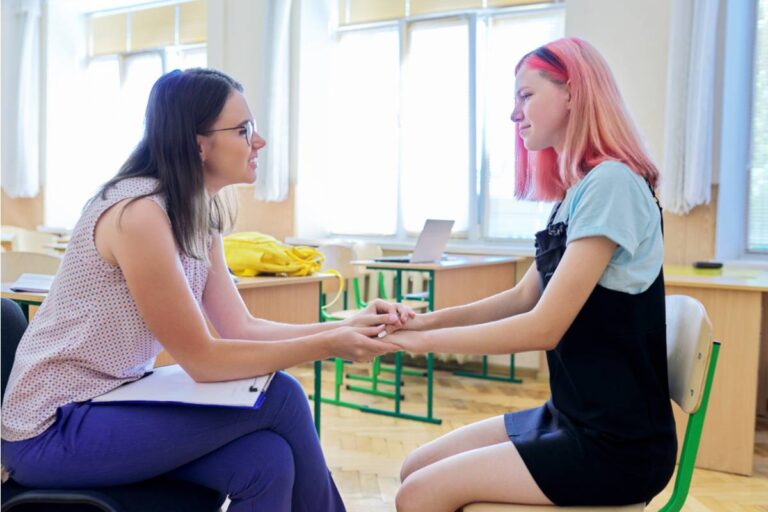
Many parents and educators believe feedback works better when given privately. This allows students to focus on improvement without feeling exposed. It also creates space for discussion and understanding. Children are more likely to respond positively in a supportive setting. Respectful communication encourages growth.
Intent vs. Impact Creates the Conflict
The teacher’s intention may have been to motivate, but the impact felt different to the child and parents. This gap is at the center of the issue. What seems helpful from one perspective may feel harmful from another. Understanding both sides is important. Communication can help bridge this difference.
Classroom Environment Should Feel Safe
A positive learning space encourages students to try, fail, and improve without fear. When students feel judged publicly, they may hold back. Safety in the classroom supports participation and learning. Emotional comfort is part of effective teaching. Balance between discipline and support is key.
Parents Want to Be Informed and Involved
Many parents feel that situations like this should be handled with more communication. They prefer to be aware if their child is struggling. Working together with teachers can create better outcomes. Lack of communication often increases frustration. Collaboration helps avoid misunderstandings.
Ongoing Discussion Around Teaching Methods
This situation highlights a broader debate about discipline and motivation in education. Some approaches that were once common are now being questioned. Expectations around communication and respect have evolved. Schools and families are still finding the right balance. The conversation continues.
The reaction shows how sensitive the line is between motivation and embarrassment. While the goal may be improvement, the way it is delivered can shape how a child experiences learning and confidence.