Parents Say School Started Using Group Punishments for Behavior, Now Kids Are Coming Home Upset and Saying “I Didn’t Even Do Anything”

When Discipline Starts Affecting Everyone
It started as something small.
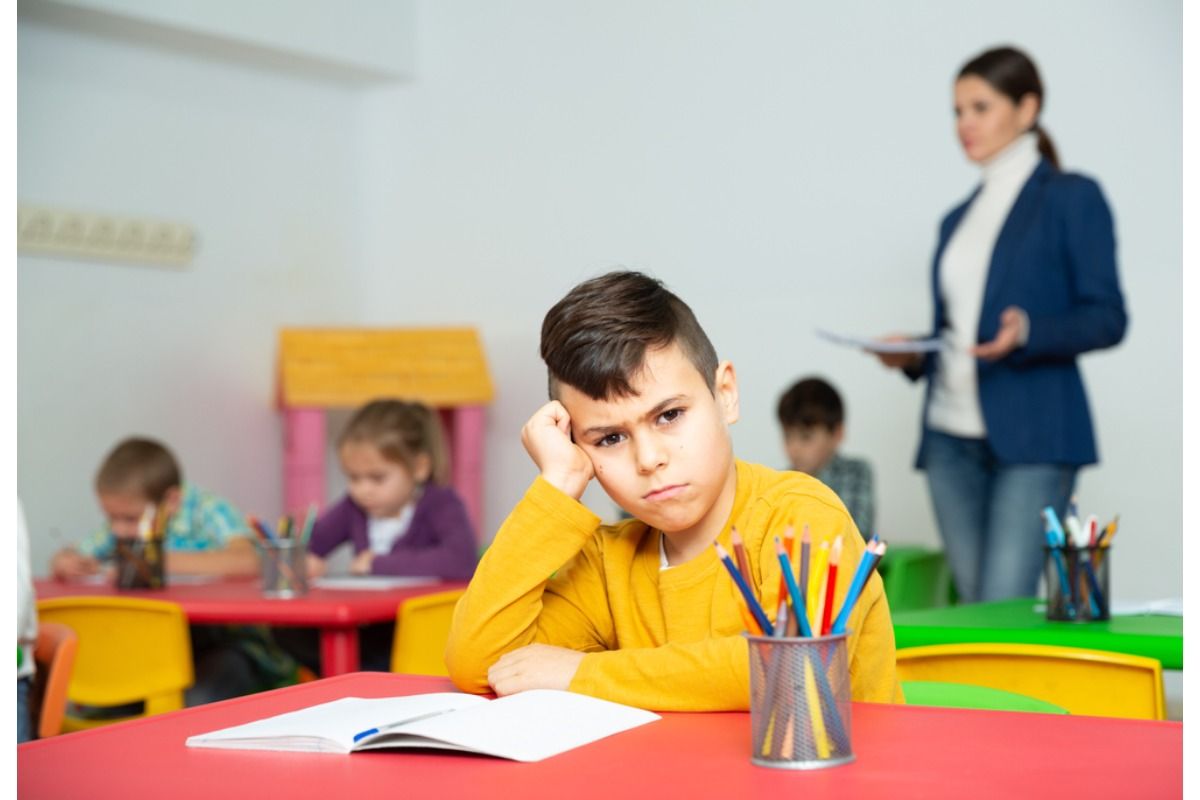
A few parents began noticing their kids coming home frustrated after school, not because they had gotten into trouble themselves, but because the entire class had been punished for something only a few students had done.
At first, it sounded like a one-off situation. A teacher trying to manage a difficult day.
But then it kept happening.
More parents started hearing the same story.
Recess shortened for everyone. Free time taken away. Group consequences applied to the entire class, regardless of who was actually responsible.
And that’s when the frustration started to grow.
The Idea Behind Group Punishment
From a teacher’s perspective, group discipline isn’t new.
The idea is that holding the whole class accountable can encourage students to self-regulate and influence each other’s behavior.
If one student acts out, the rest of the class feels the consequence, creating peer pressure to maintain order.
In theory, it promotes teamwork and shared responsibility.
But in practice, many parents are starting to question whether it actually works the way it’s intended.
How Kids Are Experiencing It
For many children, especially those who follow rules closely, group punishment feels confusing.
They did what they were supposed to do.
They listened.
They stayed on task.
And yet, they still face the same consequence as someone who didn’t.
That disconnect can be hard for kids to process.
Instead of learning accountability, some begin to feel like their actions don’t actually matter.
Why Parents Are Speaking Up
Parents aren’t necessarily against discipline.
Most agree that classrooms need structure and that teachers are managing more challenges than ever.
But the concern is about fairness.
Because when consequences are applied broadly, it changes how kids understand responsibility.
Some parents are also noticing emotional effects.
Kids who normally enjoy school are coming home frustrated or discouraged. Others feel powerless, unsure of how to avoid consequences they didn’t cause.
The Bigger Conversation About Classroom Control
This situation is also highlighting a larger issue.
Classroom environments have become more complex.
Teachers are balancing academic expectations, behavioral challenges, and limited time.
Group discipline can sometimes feel like the only tool that works quickly.
But as more parents hear about it, they’re starting to ask whether quick solutions are creating longer-term problems.
Where This Could Be Headed
Some schools are already reviewing discipline policies.
Others are encouraging more individualized approaches, even if they take more time.
But the reality is, there isn’t a simple answer.
Teachers need effective ways to manage classrooms.
Parents want fairness and accountability.
And students are caught in the middle.
Why This Is Hitting a Nerve
This isn’t just about one classroom rule.
It’s about how kids understand fairness, responsibility, and control.
And when those lessons feel inconsistent, it creates tension at home as well.
Because parents are left trying to explain something that doesn’t fully make sense to their child.
The Reaction That Keeps Coming Up
As more families talk about this, the same phrase keeps coming up again and again.
Not from parents.
From kids.
“I didn’t even do anything.”