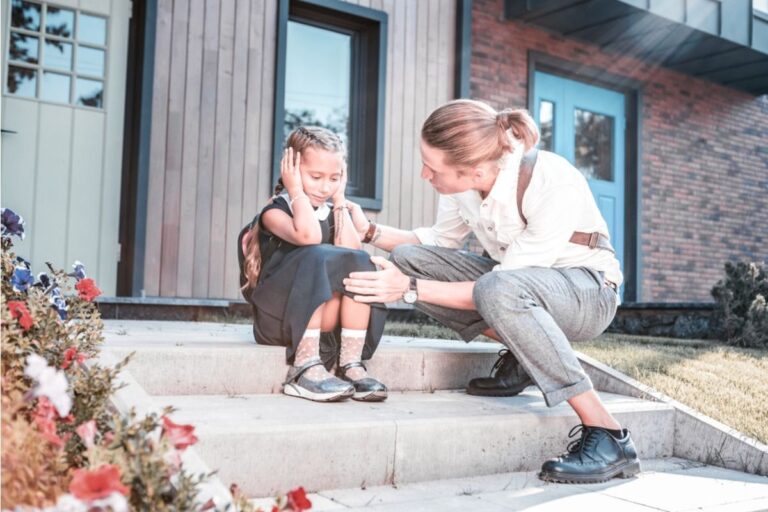
People Are Asking If Most Adults Aren’t Cut Out to Be Parents, and the Responses Are Dividing Families

When a Reddit user asked, “Would you agree that most people aren’t cut out to be parents?” the thread did what so many online conversations do: it lit up. Some answers were blunt and unforgiving. Others were tender, defensive or quietly resigned. What started as an abstract prompt became a mirror, reflecting anxieties about judgment, readiness and what it really takes to raise a child in today’s world. The result is less a verdict than a messy conversation that is splitting families and forcing people to confront uncomfortable truths about expectations and limits.
What people on Reddit were really debating
The responses on the forum covered familiar ground. Some commenters argued that parenting requires a level of patience, sacrifice and emotional regulation many adults lack. These voices framed parenting as a vocation that can break down in the face of stress, mental health struggles, or selfishness. Others pushed back, saying that competence can be learned and that a harsh, sweeping judgment ignores supportive environments, good role models and access to resources.
Other themes emerged. A number of respondents highlighted the role of impulse decisions—having children before resolving financial instability, addiction or untreated mental illness. Many emphasized that structural supports such as affordable childcare, parental leave and accessible mental health services change the calculus for who might be “cut out” to parent. This wasn’t just an argument about character; it was an argument about context.
Why this question divides families
Talk like this doesn’t stay online. In family conversations, it can land like an accusation. Adult children who choose to remain childfree sometimes hear that they are selfish or somehow less than. New or struggling parents may feel shamed by the implication that they are failing at something fundamental. For many families the debate becomes a fault line: siblings argue over parenting choices, in-laws proffer unsolicited advice, and long-standing resentments resurface under the guise of concern for the children.
The emotional stakes are high because parenthood is bound up with identity, legacy and morality. Telling someone they aren’t cut out to be a parent is effectively telling them they are morally inferior or irresponsible. That kind of language hardens people’s positions, makes them defensive, and reduces the chances of practical, compassionate conversations that might actually help.
Real pressures that shape who can parent well
It’s easy to reduce parenting to personality traits: patience, responsibility, kindness. But what often determines outcomes are pressures that sit outside the individual. Financial strain, unstable housing, inadequate healthcare, and long work hours can erode even the most devoted caregiver’s capacity. Those are not moral failings; they are material realities that shape behavior, availability and mental bandwidth.
Mental health is another crucial factor. Depression, anxiety, untreated trauma and substance use disorders profoundly affect parenting ability. When these issues are present and unsupported, children pay a price. Yet many of the Reddit replies acknowledged that diagnosis and treatment—when available—make a dramatic difference. In other words, the question of who is “cut out” to parent is inseparable from whether people can access help.
Can parenting be taught or is it innate?
One of the clearest divides in the thread was between those who view parenting as an innate calling and those who see it as a set of learnable skills. The “innate” camp believes some people simply lack the temperament or emotional resilience, while the “learnable” camp points to parenting courses, supportive partners, and community networks that transform struggling parents into competent caregivers.
Both sides have a point. Natural temperament matters—some people have more patience or emotional steadiness—but so does learning. Parenting classes, therapy, mentorship from experienced caregivers, and policies that reduce external stressors can teach techniques and create conditions for better parenting. The richer and more accessible that ecosystem is, the more chances there are for people to grow into the role.
What To Keep In Mind: Practical takeaways for families and individuals
Conversations about who is “cut out” to parent should aim to be constructive rather than accusatory. If you’re worried about someone, approach with curiosity and concrete offers of support instead of judgment. Ask what the real barriers are—money, sleep, mental health—and whether you can help in practical ways.
If you’re considering parenthood, take the time to assess your resources honestly. That means evaluating emotional readiness, financial stability, support networks and mental health. Seek education—parenting classes, therapy, reading trusted sources—and build relationships with people who will offer real help rather than only advice.
For parents who are struggling, know that needing help is not evidence of failure. Early intervention—therapy, community support groups, childcare assistance—can change trajectories. Advocate for yourself and your children when you need services, and lean on people who offer consistent, nonjudgmental support.
Finally, communities and policymakers matter. The debate about whether people are “cut out” to parent will never be settled at the level of individual moralizing. If societies want healthier children and families, investments in paid leave, affordable childcare, mental health care and economic security will do far more than shame ever could.