Teen Says Her Family Celebrated Her Achievement Without Actually Inviting Her Input, Now She Says “It Didn’t Feel Like Mine”

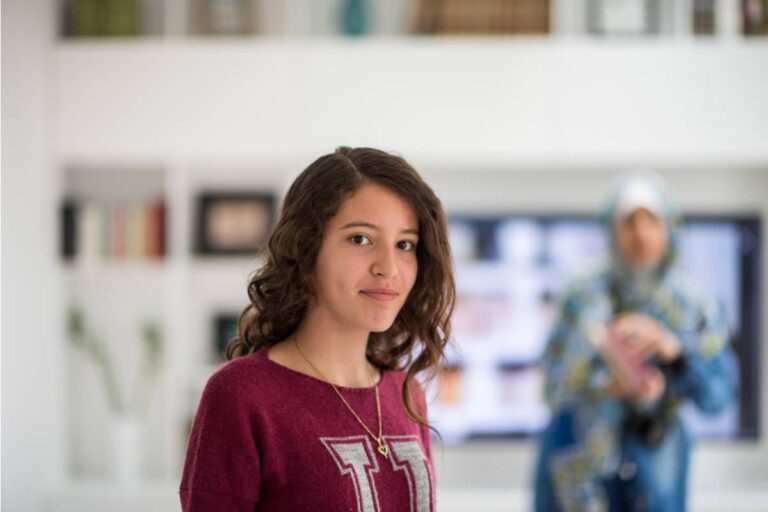
When 17-year-old Ava Reynolds from California received recognition for a regional science competition, she expected her family to be proud—but also to let her be part of how the moment was shared. Instead, she found out they had already planned everything: the post, the announcement, even the way it would be presented to relatives.
By the time she was told, the celebration was already in motion. What should have felt like her achievement began to feel like something managed around her instead of with her. And that feeling lingered longer than the applause ever did.
The Email That Changed Everything
Ava learned she had won second place in a statewide STEM competition during third period at school. Her phone buzzed with congratulations from her parents before she even had time to process it. She smiled at first, excited to share the news herself. But when she asked if they could wait to tell family until she got home, the response surprised her. Her mother said they had already “taken care of it.”
A Celebration Already in Motion
By the time Ava stepped into her house that afternoon, decorations were already up in the living room. A small banner congratulating her hung across the wall. Her father was on the phone explaining her project to a relative she had never met. She stood in the doorway holding her backpack, unsure where to step. The moment felt like it had already happened without her.
A Social Media Post She Didn’t Write
Her cousin showed her a post her parents had made announcing her achievement. It included photos from earlier competitions and a caption describing her “journey as a young scientist.” Ava had not seen or approved it. The comments were full of praise and congratulations. But what stood out to her was that the version of the story wasn’t hers.
The First Attempt to Speak Up
Ava gently asked her mother why she hadn’t been consulted before posting. Her mother responded that they were just “sharing good news.” Her father added that people were excited and it made sense to tell them quickly. Ava tried to explain she wanted to decide how her work was presented. The conversation paused, but the celebration continued.
A Family Dinner Turned Announcement Event
That evening, relatives began arriving unannounced. Ava’s project was discussed at the dinner table as guests congratulated her parents. Questions about her research were answered by her father before she could respond. She noticed people looking at her, but speaking to her parents. It felt like she was being observed rather than included.
A Moment She Tried to Reclaim
At one point, Ava tried to describe her experiment in her own words. She had barely begun when her mother jumped in to “help explain it better.” The explanation that followed sounded polished but not like her voice. She stopped speaking mid-sentence and just nodded. The table moved on without noticing the interruption.
Friends Congratulate Her for Something She Didn’t Control
The next day at school, classmates congratulated her on the achievement and the “amazing announcement.” Some referenced details she hadn’t shared publicly. Ava realized they had read the post her parents made. She smiled politely, but felt like she was answering for something she hadn’t fully participated in. The experience no longer felt personal.
A Quiet Conversation in the Kitchen
Later that night, Ava asked her parents if they could have talked to her first before sharing everything. Her father said they were just proud and wanted to celebrate quickly. Her mother said most kids would be happy about that kind of attention. Ava tried to explain it wasn’t about attention, but about timing and control. The conversation ended without agreement.
The Assumption That Hurt More Than the Action
What bothered Ava most wasn’t the celebration itself, it was the assumption that she wouldn’t need to be involved. It made her feel like her role was to accept the recognition, not shape it. When she brought that up, her parents looked confused rather than defensive. That reaction made it harder to explain. It felt like they didn’t see the difference she was trying to describe.
A Second Post She Refuses to Share
A week later, her parents suggested posting an update about her next competition. This time, Ava said no immediately. She told them she wanted to decide for herself what gets shared. The refusal surprised them more than the original disagreement. The conversation ended earlier than before, but more firmly.
The Celebration Quietly Winds Down
Over time, the decorations came down and the messages slowed. The initial excitement faded, but the tension didn’t fully disappear. Ava still received congratulations, but now she filtered what she shared with her family. She began keeping updates about school and competitions to herself until she was ready. The space between them felt more intentional.
What It Means to Claim an Achievement
Ava eventually placed her award on her desk, not in the living room where it had been displayed during the celebration. For her, it wasn’t about rejecting her family’s pride. It was about wanting to be part of how her story was told. And while everyone still called it her achievement, Ava knew the difference between something celebrated for her, and something she actually got to claim as her own.