

12 Behaviors That Show Your Child Is Actually Very Independent

Ever catch your child doing something on their own and think, “Wow, when did they get so grown up?” Kids often surprise us with the ways they handle things independently, sometimes before we even realize they’re ready.
It’s those little everyday actions that reveal just how self-reliant they’re becoming. If you’re curious about what true independence looks like in kids, you might recognize these behaviors in your own home.
Takes initiative to complete tasks without reminders

You might notice your child starting chores or homework without you saying a word. They see what needs to be done and just get started.
This kind of initiative means they’re thinking ahead and feeling responsible for their own tasks.
Whether it’s cleaning up their room or getting ready for school, they want to handle it themselves. That confidence is a sign they trust their own decisions.
Makes decisions confidently on their own
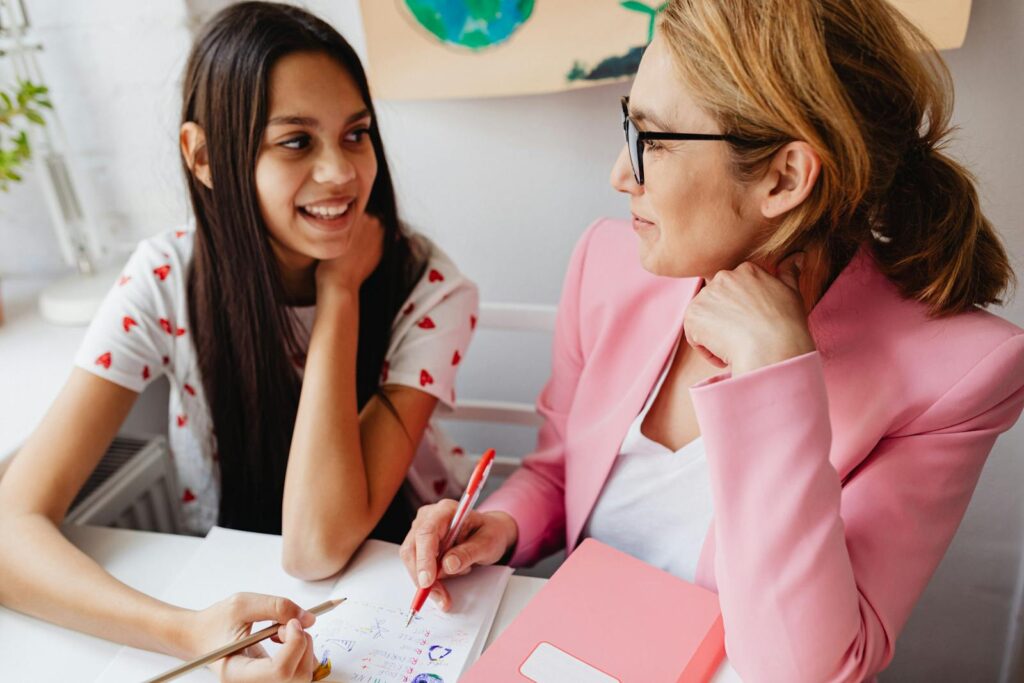
If your child is picking outfits or choosing snacks without asking for your input every time, that’s independence in action. They’re weighing their options and making choices.
Even when mistakes happen, they’re willing to learn and try again. That’s real growth and confidence showing through.
Asks for help only when truly needed

Some kids will try to solve a problem first before turning to you for help. They don’t immediately come running at every little hiccup.
They think things through and only reach out when they really need support. This balance means they’re building self-reliance but also know it’s okay to ask for help.
Manages personal belongings responsibly

If your child keeps their room tidy or puts away toys without being told, they’re learning to care for their things. You might see them fixing small issues or organizing their backpack all on their own.
They start to take pride in being responsible, and it shows in how they treat their belongings.
Prefers solving problems independently

You’ll know your child is growing independent when they want to figure things out themselves first. They pause and think before asking for help.
Trying to fix a toy or settle a disagreement on their own helps them build important problem-solving skills. Giving them space to work through challenges lets them grow even more.
Expresses opinions clearly and respectfully
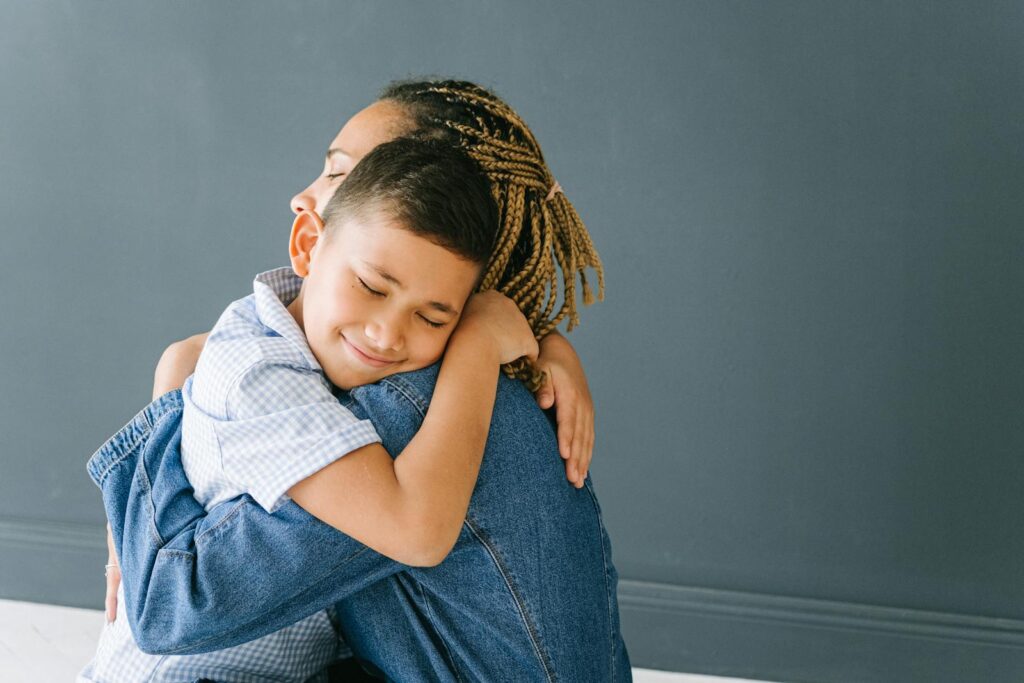
When your child shares their thoughts and listens to others, it’s a sign of maturity. They can stand up for themselves while still being kind.
Expressing opinions calmly, even when they disagree, shows they’re learning to communicate and respect different views.
Shows pride in accomplishing chores alone

Finishing a chore brings out a proud smile or a happy “look what I did!” from your child. They enjoy proving they can handle things on their own.
This sense of accomplishment encourages them to take on more responsibility. It’s a big step toward lifelong independence.
Plans and prioritizes their daily activities
If your child is setting goals for the day or deciding what to do first, they’re taking charge of their time. Planning ahead helps them feel more confident.
You might hear them remind you about homework or what’s next on the schedule. They’re learning to manage their day and adapt when things change.
Handles minor setbacks with resilience
When something doesn’t go their way, watch how your child reacts. If they bounce back and try again, that’s resilience.
They might talk about what went wrong and figure out what to do differently next time. This ability to keep going is a strong sign of independence.
Communicates needs without hesitation
Some kids will tell you exactly what they need or how they feel, instead of getting upset or shutting down. They’re comfortable speaking up for themselves.
Being able to ask for help or explain their feelings means they trust you and believe their voice matters.
Wants to try new activities without fear

Curiosity is a big part of independence. If your child is eager to try new games, sports, or hobbies, they’re showing courage.
They might ask questions and jump into new experiences, even if they’re unsure at first. This willingness to explore helps them grow more confident.
Sticks to routines without constant supervision
Getting ready for school or finishing chores without reminders is a huge step. Your child is learning to manage their own time and tasks.
Sticking to routines helps them build good habits and feel more in control of their day. It’s rewarding to see them handle things on their own and develop a sense of responsibility.
Understanding Childhood Independence
Watching your child try something new on their own can be both exciting and a little nerve-wracking. Independence in kids is about letting them make choices, solve problems, and take small steps toward doing things for themselves.
It’s not just about letting go. It’s about helping them build confidence and learn how to handle life’s ups and downs.
Developmental Benefits of Independence
Kids who practice independence pick up important life skills. They learn to make decisions and start to trust their own judgment.
Taking on tasks like getting dressed or managing homework teaches responsibility. These moments help them see what they’re capable of.
Mistakes are part of the process. When children figure out how to fix a problem, they become more resilient.
Handling challenges on their own helps them develop problem-solving skills. These are tools they’ll use again and again as they grow.
Common Misconceptions About Independent Kids
It’s easy to assume that independent kids never need help. In reality, even the most self-sufficient children still need support and reassurance.
Some people see independence as a child being distant or not listening. Often, kids just want space to explore but still need comfort and guidance close by.
Sometimes, children who seem very independent may actually be covering up feelings of loneliness or struggle. They still want to know you’re there for them.
Fostering Healthy Independence
Finding the right balance between support and freedom is key. Giving your child chances to make choices, while being available when they need you, helps them feel secure.
Supportive Parenting Strategies
Encouragement goes a long way. Celebrate when your child tries something new, even if it doesn’t go perfectly.
Offer help only after your child has had a chance to figure things out themselves. Waiting a moment before stepping in gives them space to practice problem-solving.
Setting up routines with age-appropriate chores can make a big difference. Small responsibilities like setting the table or packing a lunch help kids feel trusted and capable.
Balancing Guidance and Freedom
Every parent wants their child to grow up confident and capable, but finding the right balance can feel tricky.
Give your child space to make choices while ensuring they know when to ask for help. This approach allows them to learn from mistakes in a safe environment.
Set clear limits but also offer options. For example, instead of choosing their clothes for them, let them pick between two outfits.
Keep open communication going strong. Let your child know it’s okay to come to you with problems.
When kids feel supported, they gain the confidence to try new things and learn on their own.





Don’t let muscularity rawness obtuse you pile. give our thc gummies sleep to know fast CBD junction relief right where you require it. powerful CBD cream, CBD unction, and CBD topical petroleum immerse promptly to soothe painful heftiness and zip up recovery. Perfect for athletes and active agent lifestyle, this place CBD rilievo retain you moving comfortably. reform your mobility with high-potency CBD skincare and CBD pain rilievo product. place instinctive CBD chemical formula today and spirit the powerful strong-arm benefit of pure CBD!