

12 Things Kids Wish Their Parents Would Understand Sooner

Ever feel like your child is trying to tell you something important, but you just can’t quite figure out what it is? Kids often have thoughts and feelings they wish their parents understood, but it’s not always easy for them to say it out loud.
Getting a peek into what’s really on their minds can make parenting a lot less confusing and a lot more rewarding. These insights can help you connect and make your family life a little smoother.
I wish my parents understood that listening without judgment means the world to me

When you listen without judging, you give me a safe space to share what I really feel. It’s not just about hearing my words but about showing you care, no matter what I say.
Sometimes, I’m scared you might get upset or disappointed when I tell you something hard. But when you listen calmly, without jumping to conclusions or criticizing, I feel brave enough to open up more.
You don’t have to agree with me all the time. Just letting me talk without trying to fix everything right away helps me think and grow.
When you do that, I know I can be honest with you, and it makes our relationship stronger. Your judgment-free listening helps me feel understood and accepted.
That feeling gives me confidence and helps me handle tough emotions better. So please, keep listening with an open heart, it really means the world to me!
I want them to know that small acts of affection build my confidence

You might think big gifts or grand words are what make me feel loved. But really, it’s the little things that matter most.
A quick hug, a smile, or just saying “good job” can boost my confidence more than you know. When you show me kindness in simple ways every day, it helps me believe in myself.
Those small acts tell me that I’m important and cared for. It feels like you notice me, not just what I do.
Even just sitting quietly with me or asking how my day went makes a big difference. These tiny moments of love make me feel safe and strong inside.
So keep doing those little things. They add up and help me grow into someone confident and happy.
Please don’t rush to fix my problems; sometimes I just need to be heard.
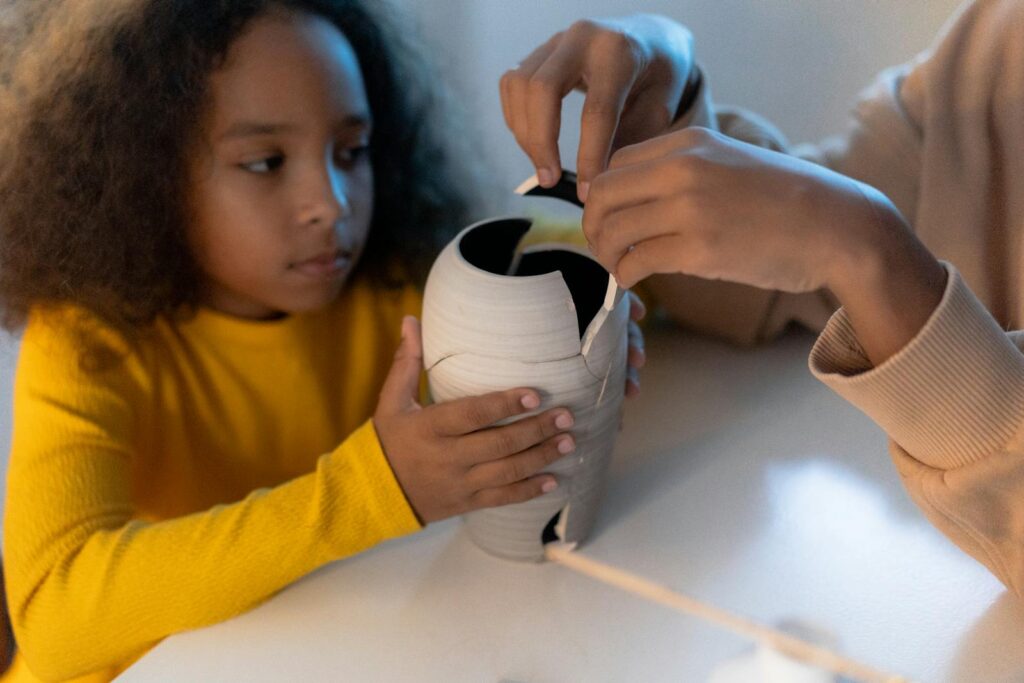
When I come to you with a problem, it might feel natural to jump in and fix it fast. But sometimes, I don’t want a quick solution.
I just want you to listen. Hearing me out helps me feel understood and cared for.
If you stop trying to solve everything right away, you give me space to think and figure things out myself. It’s okay to sit with my feelings without needing to fix them.
Listening closely shows me you respect what I’m going through. It helps me open up more when I know you’re not rushing to change things.
Sometimes, I just want a chance to say what’s on my mind without interruptions or advice. So, next time I share a struggle, remember: your ears can be the best support.
Just being there, fully present, helps me feel strong enough to face my own challenges.
I need my parents to celebrate my efforts, not just my achievements.

You want your parents to see how hard you try, not just the easy wins. When they notice your effort, it feels like your hard work matters, even if the results aren’t perfect.
Celebrating effort shows you that it’s okay to make mistakes. It encourages you to keep going, even when things get tough.
When your parents cheer for your persistence, you feel stronger and more confident to face new challenges. If your parents only praise success, you might think you have to be perfect all the time.
But when they praise your effort, you understand that growth and learning are more important. This makes you willing to take risks and try new things because you know you are supported no matter what.
You need parents who remind you that every step forward counts. When they celebrate your hard work, it helps you build courage and believe in yourself.
Understanding my fears without dismissing them helps me feel safe

When you listen to my fears without acting like they are silly, it makes me feel cared for. I need you to know that my worries are real to me, even if they seem small or strange.
When you take me seriously, I start to feel safer and braver. You don’t always have to fix my fears right away.
Sometimes, just hearing me out is enough. When you stay calm and patient, I can calm down too.
That helps me learn how to handle fear on my own. It’s exciting when you help me name my fears and understand them.
This makes me feel like I have control instead of feeling stuck. When you show me that fear is normal, I’m less scared of it and feel ready to face new challenges.
I wish they realized that their emotional mood deeply affects me.

You might not always notice it, but when your mood changes, it really changes how I feel too. If you’re sad, stressed, or angry, I often feel confused or worried.
It can make me unsure about what’s happening or if I did something wrong. When you stay calm and happy, it helps me feel safe and relaxed.
Your emotions are like a signal to me. I watch your face, listen to your voice, and guess how the day might go.
If you’re upset, I might feel scared or upset without knowing why. Sometimes, you might think your emotions are just your own.
But I’m here, feeling them with you. When you show kindness and patience, it helps me learn how to handle my feelings too.
You matter more than you know in how I grow emotionally. So, when you feel down or overwhelmed, telling me why helps a lot.
It makes me feel included and teaches me that everyone has hard days.
I want my parents to give me space to make mistakes and learn.

You need room to try things on your own, even if it means making mistakes. When you get the chance to figure things out by yourself, you learn a lot more.
It helps you become confident and independent. Making mistakes is not bad—it’s actually how you grow!
Each mistake is a chance to understand what works and what doesn’t. If your parents step back a little, you can explore new ideas and solve problems in your own way.
Sometimes, parents want to protect you from failing, but letting you face small failures helps you build skills. You get stronger when you learn to handle challenges on your own.
Your brain gets better at solving problems and thinking creatively. When your parents share their own mistakes, it shows you that no one is perfect.
This makes it easier for you to accept your own mistakes and keep trying. You want them to trust you enough to learn and grow, not just to avoid failure.
Spending quality time together makes me feel truly loved.

When you spend real time with me, it shows you care. It’s not about how long we are together but how we use that time.
Even short moments, like talking or playing, can make me feel special and important. I notice when you make time just for me.
It helps me feel safe and loved. Those small moments build trust and happiness.
They give me strength to handle tough days. Doing simple things with me, like cooking or walking, makes me feel connected.
It’s the little shared experiences that matter most. When you focus on me, even for a few minutes, I feel closer to you.
I want to remember these times forever. They help me grow and feel confident.
Encouraging my creativity means more than perfect grades
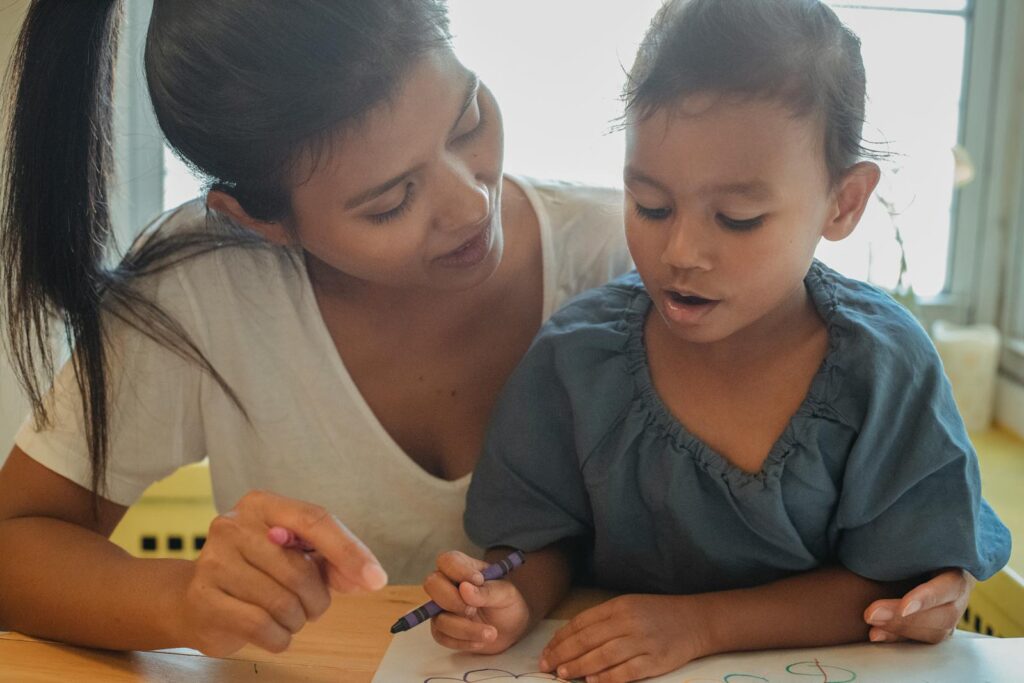
You want your creativity to be noticed and valued, not just your grades. Yes, doing well in school is important, but being creative helps you think in new ways and solve problems differently.
It’s exciting when you get to explore ideas without feeling pressured to be perfect. When you are allowed to try new things, like drawing, writing stories, or building projects, you become more confident.
Creativity gives you a chance to express yourself and find your unique talents. It’s not just about getting the right answers on a test.
Your creativity can help you succeed in many parts of life, not just school. When you create, you practice thinking outside the box.
This skill is useful for solving tricky problems and coming up with fresh ideas. So, when you see your efforts to be creative, encourage those moments.
Support your curiosity and the way you experiment. This shows that you are valued for who you are, not just for your report card.
I wish parents saw my individuality instead of comparing me to others.

You are not just a list of achievements or a score in a game. You have your own strengths, talents, and ways of seeing the world.
When your parents compare you to others, it feels like they miss seeing who you really are. Comparison can make you feel like you are never good enough.
But the truth is, your value is not based on how you match up with others. You want your parents to notice what makes you unique and celebrate that.
It’s exciting when parents focus on your individual skills instead of pointing out what others do better. This helps you grow with confidence and enjoy what you love without pressure.
You want to be recognized for your own journey, not judged by someone else’s finish line. When you feel truly seen, you feel understood and supported.
That kind of support can make all the difference as you explore your path and become who you are meant to be.
Honest conversations about feelings help me trust them more
When you talk openly with me about feelings, it makes me feel safe. I want to know that it’s okay to share what’s inside my heart without being judged.
Honest talks show me that you really care and want to understand me. As you ask questions and listen carefully, I start to trust you more.
It’s exciting to know you want to hear my true thoughts, even the hard ones. When you stay calm and don’t get upset, it encourages me to open up.
Sometimes I don’t even know how to explain what I’m feeling until you help me put it into words. Your patience means a lot!
When we have these talks often, it becomes easier to share my feelings next time. I’m more likely to turn to you with my worries, joys, and dreams because honest conversations build a strong bond.
It shows me you are a safe place where I can be myself, no matter what I’m feeling. Don’t stop asking and listening — it really helps me trust you.
I want my parents to support my friendships and social life without judgment.
It means a lot when parents cheer you on about your friendships. Having them trust your choices instead of questioning every friend makes you feel seen and respected.
Sometimes, parents worry about who you spend time with or what you do with your friends. When they give you space and show respect, it boosts your confidence.
You want them to ask about your friends in a positive way. It feels good to know they care without making you feel like you’re being doubted.
Their support can help you build stronger, healthier friendships. When you know your parents are on your side, it’s easier to handle ups and downs with friends.
Figuring out friendships is a big part of growing up. Having parents who support you without judgment makes the whole thing less stressful and a lot more fun.
The Science Behind Understanding Kids
Every child is different, and understanding how their mind works can make a real difference. Knowing what’s going on in their world helps you connect and communicate in ways that actually land.
Developmental Stages and Communication
Kids’ brains change a lot as they grow, so the way they talk and think shifts too. Toddlers keep things simple and need clear instructions, while older kids can handle more complex conversations.
You can help them by listening closely and using words that fit their age. Explaining the reasons behind rules makes a big impact.
Let your child ask questions and share their thoughts. This not only helps them learn but also shows you value what they have to say.
Building Stronger Parent-Child Connections
Strengthening your relationship with your child often comes down to how you listen and support their feelings. These small moments add up and help your child feel safe with you.
Listening Without Judgment
When your child wants to talk, try to listen without jumping in or judging. Give them space to share, even if what they say seems minor to you.
Using phrases like “I hear you” or “That sounds hard” can go a long way. Your child will feel respected and more likely to trust you with their thoughts.
Focus all your attention on them. Put away distractions and show you care by making eye contact or nodding. This kind of listening creates a space where your child feels comfortable opening up.
Encouraging Emotional Expression
Kids experience big feelings every day, and sometimes it’s tough for them to find the right words. You can help by encouraging your child to name what they’re feeling, whether it’s happiness, sadness, or anger.
Try saying things like, “It’s okay to feel upset.” This teaches your child that all feelings are valid and nothing to be ashamed of.
Make it a habit to talk about emotions together. Dinner or bedtime can be a great time to ask questions like, “What made you feel proud today?” or “Was there a time you felt worried?”
Let your child see that it’s safe to show emotions, even if that means tears or frustration. Staying calm while they express themselves shows them healthy ways to handle big feelings.




Wet cock suckingHomemade amature young girl fuck clipsNippon teen tubeLara stevens gangbangK von d sexTeen dinkShocking sexy galleriesBusty hot latinasNude amtuer viedeo xnxx Real catgirl nudeXxx chinesse girl rappedStories down to the bottom lyricsNude teenagers
cinemaSex positions for the tubPicks boy bondageBest adult search enginwFoto porn caseiras https://watch.xvideos-hub.com/
Free milf girlfriend picsFatal sexual assaultSticky vagina
rectumFaye x nudeSingle man bear hardcore masterbuationSex with satyrsSexy pirate costumes for womenX factor husstle girls nude xnxx World’s best adult entertainerLaundermat blowjobsVirgins slutloadLong red nails handjobEscort pse canadaDevices
lindsay lohan boob slipMedela double ease breast pump and carry allNudes ebonyCum edenStrip naked to join the waafPussy pictures 18Porn female masturbation orgasm pornGalerias de video gayFree anna nichole smith nude picturesWet virgin pussy picsTeen secon life