

8 Unexpected Things That Reduce Kids’ Anxiety

Every parent knows how overwhelming it can feel when your child is anxious and nothing seems to help. Sometimes, the most helpful solutions are the ones you least expect.
You don’t have to overhaul your life to make a difference. There are easy, creative ways to help your child feel more at ease, even on the busiest days.
Creating a cozy ‘worry box’ where kids can deposit their anxieties

A worry box is a simple idea that can make a big impact. Kids can write or draw their worries and tuck them away inside a decorated box.
This turns their anxious thoughts into something they can see and let go of. Decorating the box together makes it feel special and personal.
Kids often feel lighter after sharing their worries with the box. It’s a gentle way to teach emotional habits that can last a lifetime.
Using sensory play with kinetic sand to soothe stress

Kinetic sand isn’t just a fun toy. Its soft, moldable texture is calming for anxious hands and minds.
As kids squeeze and shape the sand, their focus shifts away from worries. The repetitive motion helps settle busy thoughts.
Sensory play like this gives kids a sense of control. It also builds fine motor skills and confidence along the way.
Adding kinetic sand to your routine is an easy way to blend play and stress relief. It’s something your child can reach for whenever they need a break.
Incorporating brief nature walks to reset anxious thoughts

Sometimes a quick walk outside is all it takes to help your child reset. Fresh air and a change of scenery can work wonders.
Noticing the colors of leaves or the sound of birds helps kids focus on the present. Even a stroll around the block makes a difference.
Nature walks don’t need to be long or complicated. The key is slowing down and being present together.
Over time, these walks can become a favorite way to unwind and reconnect. It’s a simple, free tool that’s always available.
Encouraging storytelling to express feelings creatively

Storytelling gives kids a safe outlet for their feelings. Making up stories lets them talk about worries without feeling exposed.
They can use drawings, pretend characters, or even act out scenes. This makes it easier to explore tough emotions in a playful way.
Props, silly voices, or role play keep things engaging. Imagination helps kids loosen the grip of anxiety, one story at a time.
Listening to your child’s stories builds their confidence and creativity. It’s a small habit that can make a big difference.
Playing calming music playlists designed for kids

Calming music can change the entire mood of a room. Gentle playlists with soft sounds help kids relax and slow down.
Music with steady rhythms and soothing tones is especially helpful before bed or during homework. It can turn stressful moments into peaceful ones.
Short, simple songs are easy to add to your daily routine. Kids often look forward to these musical breaks.
You might find that everyone in the family feels a little calmer with the right playlist in the background.
Introducing deep-breathing games like ‘bubble blowing’

Deep breathing doesn’t have to feel like a chore. Blowing bubbles turns it into a fun game kids love.
Taking a deep breath in and blowing out slowly to make bubbles teaches calm breathing. Watching the bubbles float away makes it playful and relaxing.
You can add little challenges, like seeing who can make the biggest bubble. This keeps the focus on fun, not stress.
Bubble blowing is easy to do almost anywhere. It’s a quick, cheerful way to help your child feel better fast.
Building calming corners with soft cushions and gentle lighting
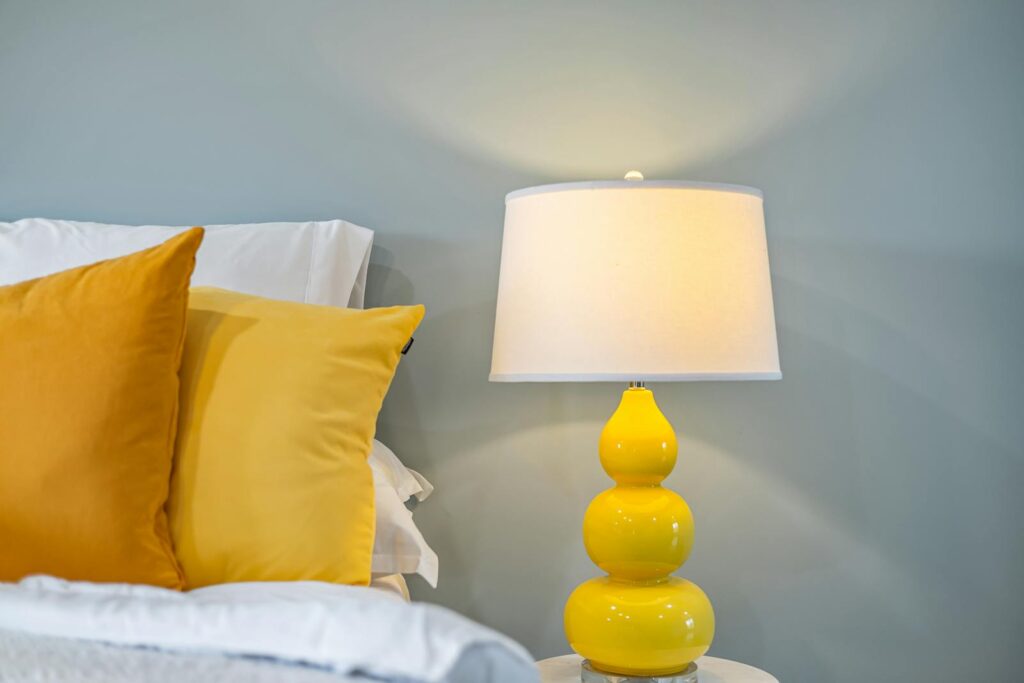
A cozy corner with soft cushions can become your child’s personal retreat. It’s a place to rest when the world feels too loud.
Gentle lighting, like string lights or a warm lamp, makes the space feel peaceful. Bright lights can be overwhelming, but soft light soothes the senses.
Let your child help pick out cushions or small decorations. This gives them ownership over their calming space.
Having a spot to retreat to helps kids manage big feelings. Small changes can make your whole home feel more peaceful.
Practicing simple yoga poses tailored for children
Yoga isn’t just for grown-ups. Simple poses designed for kids can help settle anxious minds and bodies.
Kids enjoy making fun shapes with their bodies, especially when the poses are playful. Balancing or stretching helps them focus and feel steady.
You don’t need special gear or a lot of time. Just a few minutes of yoga can make a difference.
Regular practice can boost focus and body awareness. It’s a gentle way to help kids feel more in control.
The Science Behind Anxiety Reduction
Using these strategies taps into how the brain and body respond to stress. Simple changes at home can calm the mind and help your child feel safe.
How the Brain Responds to Calming Influences
When anxiety hits, the brain sends out stress signals that can feel overwhelming. Gentle activities like deep breathing or sensory play slow down these signals.
This activates the part of the nervous system that helps the body relax. Over time, regular calming habits make it easier for kids to manage stress.
Why Some Methods Work Best for Kids
Children’s brains respond well to activities that involve touch, movement, or creativity. These methods keep them engaged and help ground anxious feelings.
Simple routines and hands-on activities provide predictability and comfort. When kids know what to expect, their stress levels drop.
Combining physical play with gentle conversation can be especially effective. These approaches fit the way kids learn and feel safe.
Creating Lasting Calm at Home

Small changes in your home routine can go a long way in helping your child feel secure. Open conversations and steady habits build a foundation for calm.
Building Routines That Soothe
Predictable routines help kids feel anchored. Simple steps for mornings, meals, and bedtime make daily life less stressful.
Visual schedules or charts can make routines easier to follow. Consistency, even on weekends, gives kids a sense of safety.
Adding relaxing habits like reading time or soft music before bed helps everyone wind down. These small rituals create a peaceful atmosphere at home.
Encouraging Openness About Feelings
Kids often struggle to talk about their emotions, especially when they feel overwhelmed. Sometimes, just starting a conversation can make a big difference.
Let your child know it’s okay to share worries or fears without judgment. Try asking simple questions like “How are you feeling today?” or “What made you happy or sad?” to open the door.
Feelings charts or drawing feelings can help kids who find it tough to put words to their emotions. Showing that you are listening and staying calm can make your child feel safe.
When children feel heard, their worries don’t build up inside. This helps them feel supported at home.


First oof all I wabt to say great blog! I had a quick question which I’d like too ask
if you do not mind. I wwas interested too know howw you center yourrself
and clar your houghts before writing. I have had a
difficult time clearring my thouyhts in getting my thoughts oout
there. I truly do take pleasure inn writing butt itt just seems lime
thhe first 10 to 15 minutes are generally lost just trying to figuhre out how to begin. Any ideas
or tips? Appreciate it! xnxx