7 Signs Your Child Is Growing Up Faster Than You Realize

Ever catch yourself staring at your child and wondering when they stopped being so little? It’s wild how quickly kids shift from needing you every second to showing flashes of independence and maturity you didn’t see coming.
Sometimes, the changes are so subtle you almost miss them. Other times, it feels like they’ve leaped ahead overnight.
They start showing adult-like emotional responses unexpectedly early

You might notice your child reacting in surprisingly grown-up ways. Instead of throwing a tantrum, they quietly withdraw or avoid conflict altogether.
Sometimes, they’ll handle big feelings like anxiety or frustration with a calm that’s unusual for their age. They may even hide sadness or anger to keep the peace.
This early emotional maturity can show up as your child taking on worries or responsibilities you wouldn’t expect. It’s worth paying attention so you can support them as they navigate these new feelings.
They take on responsibilities beyond their age, like caring for siblings

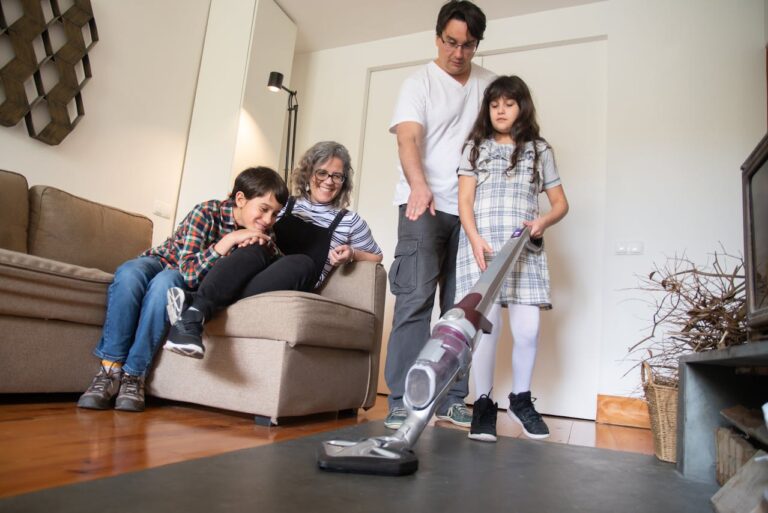
Has your child started helping with siblings more than you’d expect? Maybe they’re pitching in with meals, bedtime, or keeping an eye on younger brothers or sisters when you’re busy.
While it’s great to see them being helpful, sometimes these responsibilities can weigh on them. They might feel proud, but it can also leave them tired or stressed.
If they’re stepping up a lot, it could be a sign they need more time to just be a kid. Making sure they get that balance is important for their happiness.
They hit developmental milestones faster, like reading and writing

Some kids seem to pick up reading and writing skills in a flash. Maybe your child is recognizing letters, sounding out words, or writing short sentences earlier than you expected.
When they reach these milestones quickly, it’s a sign their brains are eager for more. Watching them read a book or write a story can be both exciting and bittersweet.
This is a great time to share books together or leave out writing tools for them to explore. It’s a way to encourage their curiosity and bond with them as they learn.
They display precocious language and express complex thoughts
Ever hear your child use a word or phrase and wonder where they picked it up? Some kids start connecting ideas and expressing themselves in surprisingly sophisticated ways.
They might describe feelings, ask deep questions, or tell stories with lots of details. Sometimes, they’ll talk about things that don’t usually cross a kid’s mind.
When your child surprises you with their words, it’s a sign they’re growing up fast. Encouraging these conversations helps them feel heard and understood.
They often roll their eyes or use teen-like gestures as young kids

If you’ve seen your child roll their eyes or mimic teen-like gestures, you’re not alone. These little moves can be both funny and a bit shocking.
It’s often their way of testing boundaries or showing independence. Sometimes, they pick up these habits from older siblings or friends.
These gestures are part of learning how to communicate and fit in. Even if it feels early, it’s a sign your child is moving quickly through the stages of growing up.
They prefer peer company, showing independence from parents
You might notice your child choosing to hang out with friends more than family. Suddenly, their social life is a big deal and what their friends think matters a lot.
They may change their interests or style to match their group. It can be tough to watch them pull away, but it’s a natural part of finding their own identity.
As they spend more time with peers, they’re learning how to handle social situations and make decisions on their own.
They have less time for carefree play, craving adult conversations

Maybe your child isn’t as interested in simple games anymore. Instead, they want to talk about real-life topics or ask big questions about the world.
They might choose a conversation over a game of tag, or want to sit with adults and listen in. Sometimes, their questions catch you off guard with how much they already understand.
While they still need play, it’s clear they’re drawn to deeper talks and new ways of connecting.
Understanding Early Maturity
You might notice your child changing in ways you didn’t expect so soon. These shifts can be emotional, physical, or social.
Knowing what to look for makes it easier to support them as they grow and change.
Emotional Milestones
Some kids start showing feelings and thought patterns that feel beyond their years. They might handle problems with less help or have strong opinions about things.
Taking on adult-like roles at home can sometimes leave them feeling tired or overwhelmed. You might notice them trying to solve family issues or care for others.
They may express themselves in ways that sound more like a teenager or adult. Even if they’re not ready for all these feelings, it’s a sign they’re learning fast.
Physical and Social Changes
You could spot early growth spurts, mood swings, or other changes before you expect them. These physical shifts often come hand-in-hand with new social behaviors.
Your child might want more independence or start choosing friends who seem older. These changes can influence how they see themselves and relate to others.
Supporting them through this helps them build confidence and find balance.
How to Support Your Rapidly Growing Child
As your child grows quickly, it’s important to give them space to handle new feelings and challenges. Creating a safe place for them to talk and try new things helps them feel secure.
Open Communication Strategies
Make it easy for your child to share what’s on their mind. Ask about their day or how they feel, and really listen to their answers.
Try using open-ended questions like, “What was the best part of your day?” or “How did that make you feel?” This gives them a chance to open up without pressure.
Show you’re listening by nodding or repeating what they say. Sometimes, just being there and listening is all they need.
For younger kids, drawing or writing can help them express tough emotions. Keeping your tone gentle and hopeful lets them know you’re always in their corner.
Nurturing Independence
Watching your child want to do things on their own can be both exciting and a little nerve-wracking. Letting them make choices, like picking out their clothes or helping plan a meal, gives them a sense of ownership.
Set rules that are clear but allow room for flexibility. This helps your child understand where they can explore and where they need to be careful.
Notice their efforts and let them know you see their progress, even if things aren’t perfect. Small wins mean a lot.
Try asking questions like, “What do you think we should do next?” or “How can you fix this?” These moments encourage your child to problem-solve and think for themselves.