7 Ways Kids Say I Love You Without Words

Kids have their own unique ways of showing love, and it’s not always through saying the words. Sometimes, it’s those unexpected little moments that reveal just how much you mean to them.
You might notice a quiet gesture or a thoughtful surprise that says more than any phrase ever could. These moments can bring you closer and make everyday life feel extra special.
Giving handmade drawings or crafts

Ever find a colorful drawing tucked into your bag or see a handmade card waiting on your pillow? That’s a kid’s way of saying they care, using creativity instead of words.
These crafts might be full of hearts, fun shapes, or a sweet message inside. The effort and time your child puts into making something just for you is what makes it feel so special.
Kids love giving things like decorated jars, painted rocks, or paper flowers. Adding a personal touch, like your name or a favorite thing, makes it even more meaningful.
Handmade gifts let kids show love in a way that feels genuine and fun. It’s a simple way to connect and make each other smile.
Offering a big, warm hug
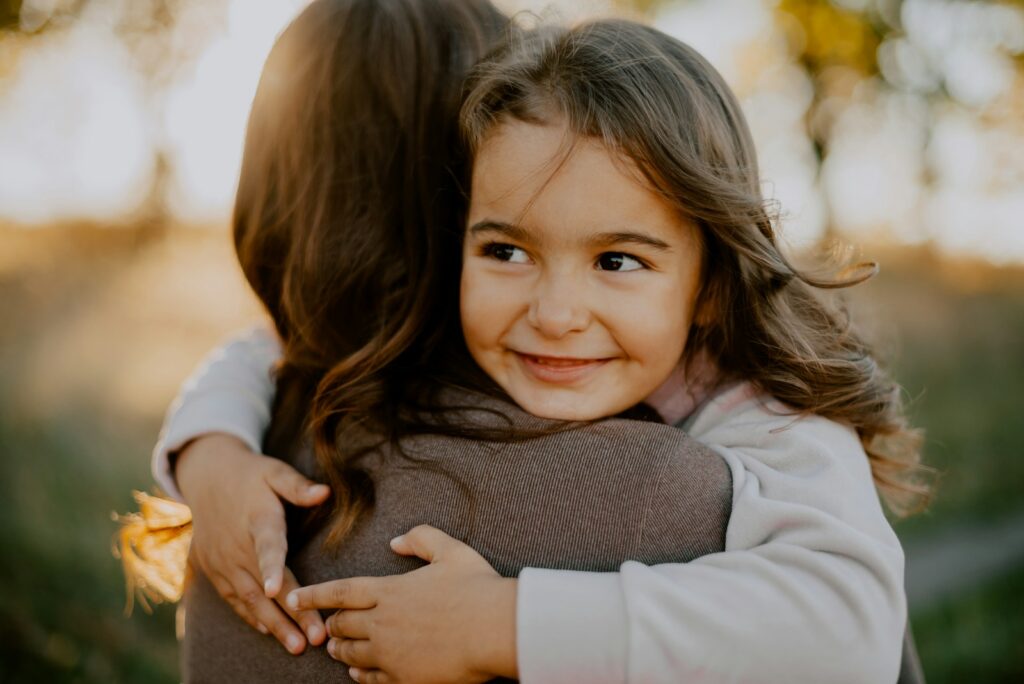
A big hug from your child can turn any day around. It’s their silent way of saying “I love you” and “I’m here for you” all at once.
You can sense their feelings through the warmth of that embrace. It’s more than just a quick squeeze, it’s a moment of real connection.
Hugs can bring comfort and calm, especially on tough days. When your child wraps their arms around you, it’s like sharing happiness without needing to say a thing.
Physical touch like this helps kids feel safe and supported. Hugging back shows them you feel the same way.
Helping with chores without being asked

It’s a pleasant surprise to see your child pitching in around the house without a reminder. Maybe they’re tidying up toys or folding laundry on their own.
This kind of help shows they notice what needs to be done and want to make things easier for you. It’s their way of saying, “I care about you.”
Thanking them for their efforts encourages more of this thoughtful behavior. It’s a wonderful way for kids to show love through action.
When kids help out, they’re learning responsibility and showing they’re part of the team. Watching them grow in this way feels pretty great.
Surprising with a favorite snack

Picture coming home to find your favorite snack waiting on the table. That simple gesture from your child is a sweet way of saying, “I was thinking about you.”
It could be a cookie, a piece of fruit, or a little treat they know you enjoy. The thought behind it is what really matters.
Sharing food like this is a warm, caring act. It’s a small thing that can make your whole day brighter.
Writing a sweet note or card

A little note tucked into a lunchbox or left on your desk can completely change your mood. Kids don’t need fancy words, just a quick “Have a great day!” or a doodle can say it all.
Leaving these notes in unexpected places is a fun way to share love. Even a simple message can be a big pick-me-up.
These notes often become a special tradition. Both you and your child will look forward to these small surprises.
Sharing their toys generously

When your child offers up their favorite toy, it’s a big deal. Sharing something they love shows trust and a desire to make others happy.
You might see them give a toy to a friend or sibling, even when it’s tough to let go. That willingness to share says a lot about how much they care.
These moments are worth celebrating, as they come straight from the heart.
Singing a favorite song
Sometimes kids express love through music, singing a favorite song just for you. It’s their way of sharing joy and making a moment special.
Whether it’s a quiet tune or a full-on performance, the meaning comes through loud and clear. You can see their personality shine in every note.
Encouraging your child to sing or make up songs helps them express feelings in their own creative way. These musical moments become memories you’ll both cherish.
Why Nonverbal Affection Matters
A lot of love is shown through actions and expressions. Kids often use hugs, smiles, or small gifts to say what words can’t.
Nonverbal signs help you understand each other and strengthen your connection. These gestures can be more meaningful than anything spoken.
The Science of Nonverbal Communication
Nonverbal communication includes body language, tone of voice, and facial expressions. Kids often show love by hugging, smiling, or offering a small gift.
Your brain picks up on these cues quickly, sometimes, how something is done matters more than what is actually said.
Building Emotional Bonds
When kids show love through actions, it deepens your emotional bond. Simple things like holding hands or cuddling help you both feel close and secure.
Noticing and responding to these moments with your own affection creates a cycle of trust. These shared experiences build a relationship that feels strong and safe.
How Parents Can Respond to Unspoken Love
Kids don’t always say “I love you” out loud, but their actions speak volumes. Noticing and encouraging these gestures helps your connection grow.
Recognizing Your Child’s Signals
Your child might show love by bringing you a book, sitting close, or helping with chores. Each of these quiet actions is their way of reaching out.
You can respond by acknowledging what you see: “I noticed you brought me my favorite mug. That was really thoughtful.” This lets your child know their love is seen and appreciated.
Some kids might be shy or not talk much, but their feelings are still there in their play, eye contact, or a simple smile. Look for those little moments—they’re often the most genuine ways kids say “I love you.”
Encouraging Emotional Expression
Sometimes, kids show their feelings in unexpected ways. Ask open questions like, “How were you feeling when you gave me that hug?” to help them connect emotions to actions.
When your child expresses love, even in small gestures, celebrate it. Respond with warmth by saying things like, “I love when you sit with me. It makes me happy.”
Try drawing or playing together to help your child show emotions without feeling pressured. Making space for feelings teaches them their love matters, no matter how it’s shown.