A 7-Year-Old Thought Her Mom’s GLP-1 Pen Was Stomach Medicine, but Her First Hospital Visit Was Only the Beginning

An Indiana family’s frightening experience came to wider attention after CafeMom reported the story of Jessa Milender, who was seven when she accidentally injected herself with her mother’s GLP-1 medication in December 2024. According to the family’s account in a WHAS-11 television interview, Jessa used approximately 60% of her mother’s prefilled injector pen. The child believed the medicine could help with stomachaches, not realizing that it was a prescription treatment intended for an adult.
Jessa’s mother, Melissa Milender, discovered what had happened and immediately contacted poison control for guidance. She took her daughter to the emergency room, where medical staff treated her for vomiting and dehydration. Although Jessa initially improved enough to leave the hospital, the symptoms returned, and the situation became far more serious.
What Jessa Thought the Medication Would Do
Jessa explained her misunderstanding in a statement that helped clarify how the incident happened: “I thought it was stomach medicine.” She believed her mother used the medication to relieve stomachaches, giving her a mistaken impression of what the injection was intended to do. The public account does not suggest that Jessa understood the medication’s prescribed purpose, dosage, or potential risks.
The reports also do not identify the exact GLP-1 product involved in the incident. GLP-1 refers to a class of medications rather than one specific brand, so it would be inaccurate to assume that Jessa used Ozempic, Wegovy, or another named product. What the family’s account establishes is that a child accessed an adult’s prescription medication and administered it to herself without understanding its intended use.
Her First Visit to the Emergency Room
After discovering the exposure, Melissa contacted poison control and sought emergency medical care for her daughter. A PEOPLE report covering the family’s account described Jessa arriving at the emergency room with vomiting and dehydration. Hospital staff treated her with intravenous fluids, and her condition initially improved.
The initial response appeared encouraging enough for Jessa to be discharged. However, the family later learned that the improvement had not marked the end of the ordeal. Melissa subsequently described the difficulty of watching her daughter become ill again after returning home, despite having already received hospital treatment.
The Symptoms Returned After Discharge
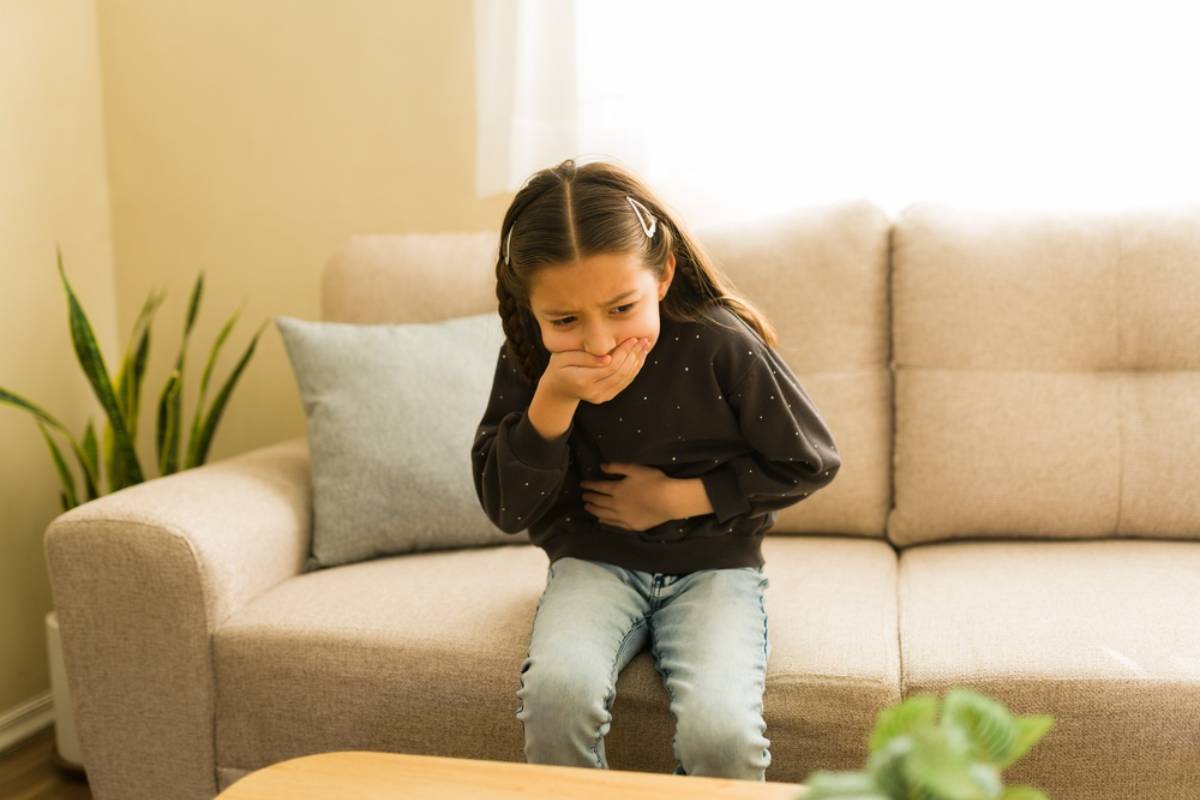
Once Jessa was back home, her vomiting returned, according to Melissa’s account. Her daughter became extremely thirsty but could not keep water down, repeatedly bringing it back up after drinking. The symptoms made it increasingly difficult for Jessa to recover through normal eating and drinking.
Melissa recalled that her daughter became so weak that she had to carry her to the bathroom. The family could no longer rely on the improvement they had seen during the first hospital visit. As Jessa’s condition deteriorated, they returned to the hospital for further medical attention.
A Second Hospital Visit Raised Fears About Her Kidneys
During the worsening episode, Melissa reported that Jessa had stopped urinating. She also told reporters that doctors were concerned about possible kidney failure, adding another serious concern to an already frightening situation. The available reports describe the medical team’s concern but do not establish that Jessa was formally diagnosed with kidney failure.
The combination of persistent vomiting, dehydration, and reduced urination made the situation particularly worrying for her family. Dehydration can become dangerous when someone repeatedly loses fluids and cannot replace them adequately. In Jessa’s case, the mother’s account shows that symptoms continued beyond the initial treatment and required another hospital visit.
Six Days Without Eating Made the Ordeal Even More Frightening
Melissa said Jessa did not eat for six days during the ordeal. She also recalled a moment when family members gathered around the child because she appeared almost lifeless. It was a deeply alarming description of how sick Jessa had become in her mother’s eyes.
The episode went well beyond a brief bout of nausea or an isolated stomachache. Jessa had struggled to keep fluids down, became extremely weak, and reportedly stopped urinating before the family returned to the hospital. Those developments explain why Melissa described the experience as a serious threat to her daughter’s well-being rather than a routine medication mistake.
Melissa Feared What Could Have Happened
As the situation unfolded, Melissa said she was completely concerned for her daughter’s life. She later reflected that she tried not to dwell on the possibility of a different outcome, expressing gratitude that Jessa ultimately recovered. Her comments conveyed how frightening the experience had been for the family.
The public accounts do not provide a complete medical record establishing precisely how close Jessa came to dying. They do, however, document a serious episode involving an accidental medication exposure, repeated vomiting, dehydration, and a return to the hospital. For Melissa, the experience became a reason to warn other parents about the risks of leaving prescription medication accessible to children.
Jessa Eventually Made a Full Recovery
Despite the frightening progression of her symptoms, Jessa ultimately recovered, according to the reports. The account did not describe lasting medical damage, and her mother later spoke publicly about the incident while hoping to help other families avoid a similar emergency. Recovery was an enormous change from the condition Melissa had described during the most difficult days.
The experience also left the family with a practical lesson about medication safety. Even prescriptions that an adult uses as directed can create a danger if a child gets hold of them. Melissa decided that preventing access in the future needed to become a concrete part of her household routine.
A Lockbox Became Part of the Family’s New Routine
Melissa said she purchased a lockbox on the same day Jessa overdosed on the medication. She now stores her GLP-1 medicine in a locked place where her daughter cannot access it. The change gave the family a direct way to reduce the chance of another accidental exposure.
The decision also reflected a broader principle of medication safety: prescriptions should remain inaccessible to children, even when adults use them routinely. A medicine does not need to be unusual or unfamiliar to pose a risk when it is taken by someone for whom it was not prescribed. Keeping it locked away adds a physical barrier that a verbal warning alone cannot provide.
Why GLP-1 Medications Require Careful Handling
GLP-1 medications are prescription treatments that act on a hormone involved in blood sugar regulation, appetite, and digestion. Depending on the product, they may be prescribed for diabetes or weight management, and some are administered using injectable devices. Their precise dosing instructions differ, making it important to know exactly which product is being used.
The specific medication involved in Jessa’s case has not been identified in the available reports. It would therefore be misleading to attribute her symptoms to a particular brand or active ingredient. The broader safety issue remains the same: these are prescription medicines that should only be used by the person for whom they were prescribed and according to professional instructions.
Overdose Symptoms Can Resemble Ordinary Medication Side Effects
The symptoms associated with GLP-1 medication exposure can include nausea, vomiting, diarrhea, constipation, and abdominal pain. According to America’s Poison Centers, overdose symptoms can resemble common side effects but may last longer, and severe cases can involve dehydration or low blood sugar. The risk of low blood sugar can be particularly important when these drugs are taken with certain other diabetes medications.
This overlap is one reason a suspected overdose should not be dismissed simply because the symptoms initially appear to be gastrointestinal. A child may not be able to explain what happened or recognize that a medication exposure could be responsible for feeling sick. When a prescription drug may have been used accidentally, getting professional advice promptly is safer than waiting for symptoms to worsen.
Poison Centers Have Recorded a Sharp Increase in GLP-1 Exposures
America’s Poison Centers reports that poison centers handled 22,966 GLP-1-related exposure cases between 2019 and 2025. Its tracking page also describes a nearly 1,500% increase in calls since 2019 concerning overdoses or side effects involving injectable weight-loss medications. These figures reflect reported exposures and calls rather than a confirmed count of serious overdoses.
The organization cautions that its data cannot capture every incident and that not every reported exposure can be fully verified. Some cases may never be reported, while others may be reclassified as information improves. Even with those limitations, the reported increase highlights why medication safety deserves attention as GLP-1 treatments become more widely used.
Medical Research Has Also Documented Growing Exposure Reports
A study published in the Journal of Medical Toxicology examined single-substance GLP-1 exposure reports made to U.S. poison centers from 2017 through 2024 among people aged six and older. The peer-reviewed study identified 13,924 qualifying reports and found that the population-adjusted exposure rate increased substantially during the study period. The researchers reported that the rate rose from 0.97 to 18.79 exposures per million people between 2017 and 2024.
Most exposures in that study were associated with no or mild medical effects, but some produced more serious outcomes. The researchers recorded 42 major medical outcomes and two deaths across the study sample, which included adults as well as children. These findings do not predict what will happen in any individual case, but they show why medical professionals continue to monitor the risks associated with GLP-1 exposures.
Medication Safety Extends Beyond Weight-Loss Injections
Children getting into prescription medicines is not a problem limited to GLP-1 treatments. The federal government’s Poison Help campaign says more than 60,000 young children end up in emergency rooms each year after accessing medicine when a parent or caregiver is not looking. Accidental exposure can involve medicines that adults use every day, including products that seem ordinary or familiar within a household.
Children may also imitate what they see adults doing without understanding the medical reasons behind those actions. Explaining that medicine is not a toy can help children learn, but education alone does not eliminate the risk of accidental access. Safe storage remains an important responsibility for parents, caregivers, and other adults who bring medication into a home.
Experts Recommend Keeping Medicine Out of Sight and Reach
The Up and Away medicine-safety campaign recommends storing medicines in their original child-resistant containers and keeping them out of children’s sight and reach. It advises adults to put medication away immediately after each use, rather than leaving it on a counter or another accessible surface. Caregivers are also encouraged to consider medicines that visitors may carry in purses, bags, or coats.
Child-resistant packaging is not the same as child-proof protection. A locking cabinet or secure storage box can create an additional barrier, particularly for medicines that are taken regularly. Melissa’s decision to use a lockbox after Jessa’s exposure reflects this straightforward approach to reducing the chance of another accident.
What Parents Should Do if a Child May Have Taken Medicine
The federal Poison Help service’s emergency guidance advises people to contact poison control immediately when someone may have taken the wrong medicine or too much of it. In the United States, the Poison Help number is 1-800-222-1222, which connects callers with a local poison center. The appropriate response depends on the product, the amount involved, the person’s age and medical circumstances, and the timing of the exposure.
Caregivers should keep the medication container or product information available when speaking with a poison specialist, because identifying the exact drug can help guide the response. They should follow the specialist’s instructions rather than attempting an unapproved treatment or assuming that an absence of immediate symptoms means everything is fine. When severe symptoms occur, emergency medical services may also be necessary.
Jessa’s recovery gave her family a positive outcome after an experience Melissa described as deeply frightening. The lockbox she began using immediately afterward turned that experience into a practical change designed to protect her daughter. Her story is a reminder that a moment of misunderstanding can have serious consequences, and that keeping prescription medication securely stored is one of the simplest ways families can reduce that risk.