A Mother Says Her Son’s Finger Was Broken by a 7-Year-Old Classmate, but a School Meeting Left Her Looking to Police for Answers

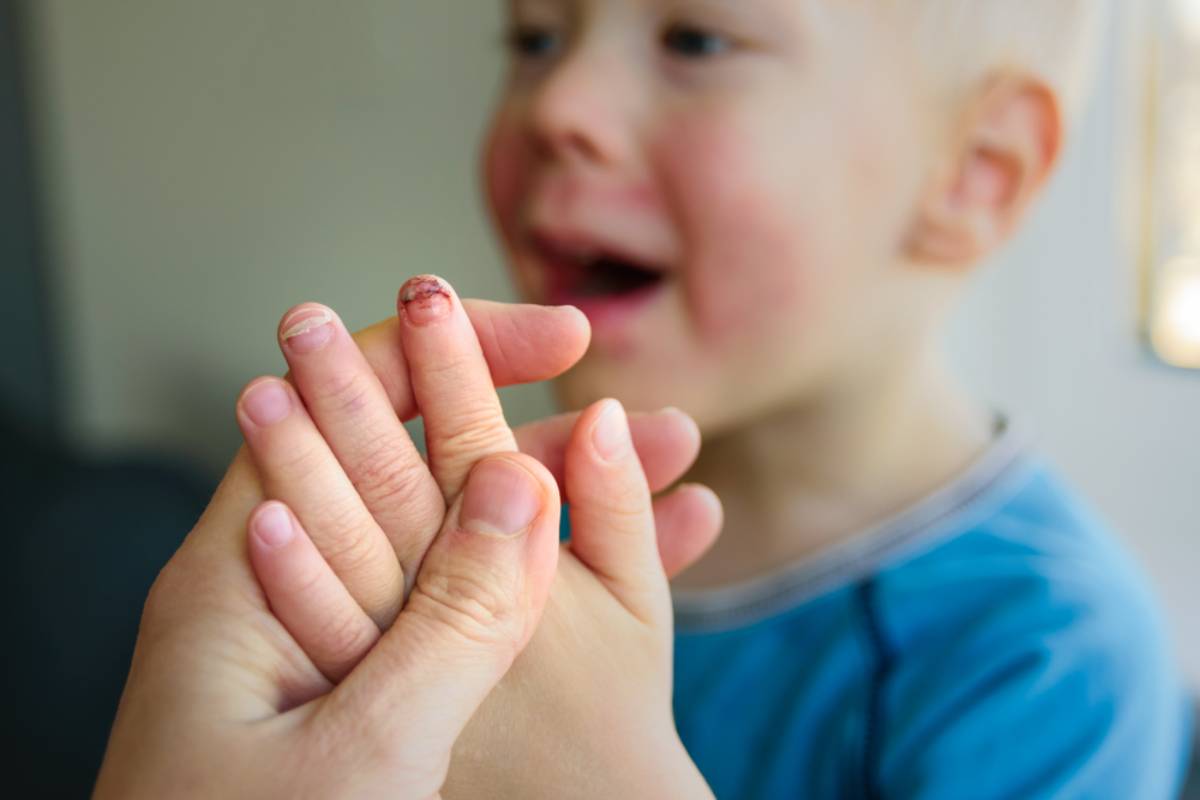
A mother who identifies herself online as Jas says her son was injured at school on April 17, 2026, setting off a dispute that eventually spilled onto social media. The incident was detailed in a CafeMom report published April 28, which followed the mother’s efforts to get school officials to address what she believed was a serious incident. At the center of the controversy was her claim that a seven-year-old classmate had broken her son’s finger and that the school was not responding appropriately.
Jas said the school contacted her to report that her son’s hand was broken and that staff planned to take him to the hospital by ambulance. Because she lived nearby and was concerned about the expense, she asked to collect him herself and take him for medical treatment. The reports do not identify the school or the city where the incident occurred.
She Saw a Swollen Finger When She Arrived
When Jas reached the school, she said her son’s finger was visibly swollen and clearly injured. She alleged that the adults involved described the incident as an accident and suggested that her son was overreacting. Those descriptions come from her account of the school’s response rather than a public statement from school administrators.
The difference between how Jas viewed the injury and how she believed the school was treating it became a central part of the dispute. She did not consider the incident something that could simply be dismissed as a minor playground mishap. Instead, she took her son for medical care and began asking what consequences the school intended to impose on the classmate involved.
The Hospital Visit Revealed a Growth-Plate Injury
Jas said medical staff confirmed that her son’s finger was broken and that the injury also involved damage to a growth plate. Neither the original coverage nor the additional reports reviewed for this article published medical records or a statement from his treating clinician. Consequently, the diagnosis is documented in the public account through the mother’s statements rather than independently available medical evidence.
The reported growth-plate involvement made the injury particularly concerning because these areas are part of a child’s developing skeleton. According to the Mayo Clinic’s explanation of growth-plate fractures, damage to these areas can sometimes affect bone growth, although most such fractures heal without complications when properly treated. That general medical information explains why the reported diagnosis mattered, but it does not establish the boy’s individual prognosis or whether he experienced lasting problems.
She Wanted the School to Suspend the Classmate
Following the hospital visit, Jas said she wanted the school to suspend the seven-year-old girl she believed had injured her son. According to the published accounts, she came away believing school officials were unwilling to deliver the consequence she had requested. The coverage does not include a written disciplinary decision or a direct explanation from the school.
For Jas, the disagreement became about more than the immediate injury. She believed the school was failing to hold the other child accountable, leaving her to explore alternatives outside the ordinary disciplinary process. That belief eventually led her to ask whether police could become involved.
Her Son Described Two Incidents Involving His Finger
According to Jas, her son gave her a more specific account of how the injury happened. She said he told her that the girl bent his finger backward while they were playing a game, and he asked her to stop. He reportedly told his mother that the girl did it again, with the second incident resulting in the fracture.
Jas also said the girl had acknowledged bending his finger more than once, although she did not present that admission as proof that the injury was intentional. The available coverage does not include a direct interview with either child or an independently published account from a witness who observed the incident. As a result, the precise sequence of events remains dependent on the accounts relayed through the mother.
The School Reportedly Had a Different Explanation
Jas said school officials told her they had conducted an investigation into the incident. According to her account, the girl described what happened as accidental, creating a clear disagreement with the version her son had given her. The reports do not explain the investigation’s procedures or provide written findings from the school.
Those missing details leave important questions unanswered about how officials assessed the competing accounts. The published information does not independently establish that the girl deliberately caused the injury, even though Jas believed her son’s description supported that interpretation. The seriousness of the fracture and the question of intent are separate issues, and the available evidence does not conclusively settle the latter.
A Meeting With School Officials Left Her Frustrated
After meeting with school representatives, Jas posted an update explaining that the discussion had left her frustrated. She claimed officials repeatedly emphasized that the other child was only seven years old, a point that she felt was being used to discourage her from pursuing consequences. Her account portrayed the meeting as an unsuccessful attempt to resolve the disagreement through the school.
Jas did not consider the girl’s age a sufficient reason to drop the matter. She believed the injury deserved a meaningful response, regardless of whether the child who caused it was still very young. However, the full meeting transcript and the administrators’ side of the conversation were not included in the published reports.
She Turned to Police for an Answer
Jas said a school employee had told her she could not press charges against a seven-year-old child. She subsequently contacted local police, according to her account, and said she was told that pursuing a complaint was possible even if the matter did not ultimately proceed. In a TikTok video discussing the incident, she explained her determination to seek a response beyond the school’s internal process.
The published coverage does not identify the police department or provide a police report, case number, or statement from an officer. It therefore establishes that Jas reported receiving this advice, not that a charge was formally filed or accepted. Because the jurisdiction is unidentified, the available information also does not support a broader conclusion about the legal process that would apply to a seven-year-old in this particular case.
Her Stated Goal Was Accountability
Jas made clear that she wanted the incident to have consequences even if legal action did not succeed. In the video, she explained, “I don’t care if it sticks or not,” adding that she wanted the girl to experience consequences because she believed the school was not going to provide them. Her stated position was that the matter should not end simply because the child involved was young.
A separate Chip Chick report published April 27, 2026, also described her intention to pursue the matter despite uncertainty about whether a charge would proceed. That report, like the other coverage, drew on Jas’s social-media account rather than citing a police record. The distinction matters because multiple articles describing the same account do not independently verify that a charge was filed or that authorities agreed with her interpretation of the incident.
She Returned to the School’s After-School Program
The dispute continued after Jas’s meeting with school officials. She later posted a video showing herself returning to the school and attempting to make contact with the girl during the after-school program. According to the reporting, she hoped staff members she knew would help her reach the child’s mother.
This marked a shift from asking administrators to impose discipline toward trying to establish direct contact with the other family. The available coverage does not establish that Jas spoke with the girl or obtained her mother’s contact information during that visit. It also does not include an independently reported explanation from the other family about what happened at school.
The Other Mother Was Reportedly Not There
Jas said she was told that the girl’s mother had picked her up early, around the time a disciplinary meeting with school administrators was expected. That left Jas without the direct contact she had been seeking during her visit. The reports do not establish why the other mother collected her daughter early or whether the planned meeting subsequently took place.
A Parents.fr report covering the incident likewise described the proposed disciplinary discussion as an anticipated step rather than a completed resolution. It did not provide a statement from the school or the other parent confirming what happened next. Consequently, the meeting remained an unresolved part of the story in the coverage available.
Several Important Details Remained Unverified
The available reports do not identify the school, the police department, or the other child’s family. They also do not provide medical records, a school investigation report, or documentation of a formal complaint. These omissions limit what can be established beyond the account Jas shared publicly.
Although multiple publications covered the dispute, their articles largely relied on the same social-media posts. No named witness or school representative independently confirmed whether the finger was bent deliberately or accidentally. The public record therefore contains competing accounts of the incident without enough independent evidence to determine exactly what happened.
No Confirmed Legal or School Outcome Has Emerged in the Available Reporting
The April 27 and April 28, 2026, reports described an ongoing dispute rather than a completed disciplinary or legal process. The additional coverage reviewed for this article did not establish that a charge was filed, that a suspension occurred, or that the anticipated meeting between the school and the girl’s family was completed. That does not prove no action followed, only that the available reporting does not document a final outcome.
For now, the central account remains that a boy sustained a reported finger fracture at school, his mother believed the school’s response was inadequate, and she explored whether police could take action. Whether the other child acted intentionally, what consequences the school ultimately imposed, and whether authorities became formally involved remain unanswered in the available published record.