A Dad Found Out His Son Had Been Skipping Lunch Every Day to Avoid a Group of Kids Who Waited for Him Near the Cafeteria Entrance

For weeks, Michael thought his thirteen year old son was simply going through one of those phases where kids suddenly seemed less interested in food. Tyler insisted he ate enough during the day and brushed off every question about coming home hungry.
Then a routine doctor’s appointment revealed he had lost more weight than anyone expected. Michael knew something did not add up because Tyler had always loved lunch at school. What he uncovered over the next several days had nothing to do with food and everything to do with what happened before Tyler ever reached the cafeteria.
A Simple Question Went Unanswered
After the doctor’s visit, Michael casually asked Tyler what he usually chose for lunch at school. Tyler hesitated long enough for the silence to become noticeable. Instead of naming his favorite meals, he simply shrugged and said, “I don’t really remember.” That answer made no sense to Michael because Tyler had always been the kind of kid who talked about pizza day for hours. He decided not to push the conversation, but he knew he had just heard the first crack in the story.
The Cafeteria Account Told a Different Story
Later that evening, Michael logged into the school’s parent portal to check Tyler’s lunch balance. He expected to see regular purchases throughout the month. Instead, there were almost none. Several days showed no cafeteria activity at all, despite Tyler leaving home every morning without a packed lunch. Michael stared at the screen, realizing his son had not been eating the way he claimed.
Tyler Finally Broke His Silence
The following night Michael sat beside Tyler while they worked on homework. Without accusing him of anything, he quietly said, “I’m worried about you, not angry.” Tyler lowered his pencil and stared at the table. After several moments he admitted he had been avoiding the cafeteria almost every day. What he said next explained everything Michael had been trying to understand.
The Entrance Became a Daily Obstacle
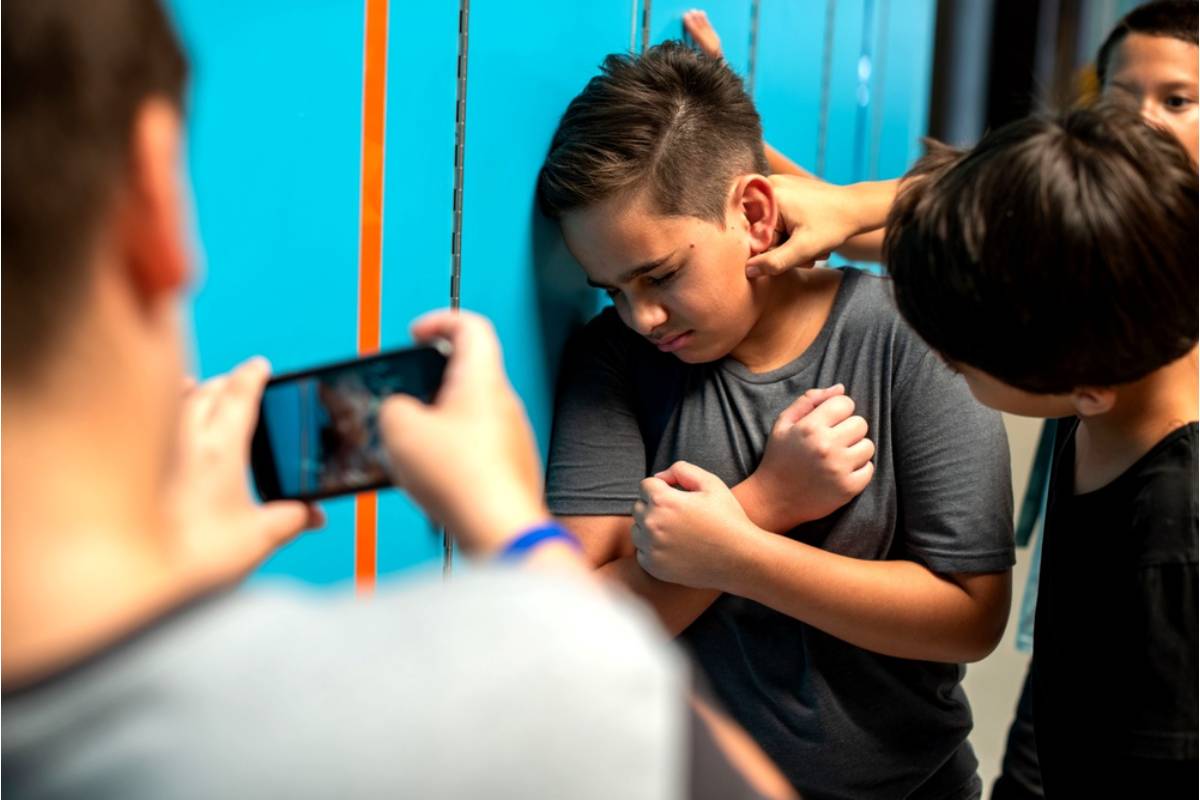
Tyler explained that a group of older boys gathered near the cafeteria entrance during lunch. They never hit him or took his belongings, but they blocked his path, laughed when he tried to walk past, and made sarcastic comments loud enough for nearby students to hear. Some days they stepped aside at the last second just to make him flinch. Tyler eventually decided skipping lunch felt easier than facing them every afternoon. He believed nobody would notice if he simply stayed elsewhere until lunch ended.
A Teacher Accidentally Confirmed the Pattern
The next morning Michael contacted the school and requested a meeting. One teacher admitted she had occasionally seen Tyler reading alone in the library during lunch but assumed he preferred the quiet. Another staff member remembered seeing him sitting on a hallway bench several times without realizing he had not eaten. No one had connected those moments into a larger pattern. Michael realized the pieces had been visible, but no one had assembled them.
The Assistant Principal Watched the Cameras
Rather than relying only on student statements, the assistant principal reviewed security footage from several lunch periods. The videos showed the same group of boys lingering near the cafeteria entrance almost every day. While their behavior appeared subtle, the repeated pattern became impossible to ignore after multiple recordings. Tyler consistently turned away before reaching the doors. The footage supported everything he had described.
The Boys Had Their Own Explanation
School administrators called the students involved into separate meetings. They insisted they had only been joking and never intended to keep Tyler from eating lunch. One admitted they found it funny that Tyler always walked away instead of speaking up. When asked whether they realized he had been skipping meals because of them, the room fell completely quiet. None of them had considered the consequences of what they viewed as harmless teasing.
Tyler Carried More Than Hunger
During a meeting with the school counselor, Tyler admitted the teasing affected more than his appetite. Every morning he worried about lunchtime before classes had even begun. His stomach hurt long before lunch because he knew he would eventually have to decide whether to face the group again. The counselor explained that avoiding the cafeteria had become his way of avoiding the anxiety. Hearing Tyler describe that daily routine was difficult for Michael to process.
A New Lunch Plan Was Put in Place
The school immediately adjusted supervision around the cafeteria entrance. Staff members greeted students at the doors and monitored the area much more closely. Tyler’s homeroom teacher also arranged for him to walk to lunch with a few classmates he trusted. The goal was not to make Tyler feel singled out but to make the entrance feel like an ordinary part of the school day again. Slowly, his confidence began to return.
One Classmate Made an Honest Confession
A week later another student approached Tyler after science class. He admitted he had seen the older boys bothering him several times but never stepped in because he assumed someone else would. The apology surprised Tyler more than anything that had happened all week. They ended up eating lunch together that day along with two other classmates. For the first time in months, Tyler finished an entire meal at school.
Parents Asked Difficult Questions
The incident eventually became a topic during a parent advisory meeting. Several parents wondered how a student could miss lunch so many times without anyone noticing. Teachers acknowledged that attendance at lunch had never been monitored as carefully as classroom attendance. Administrators agreed to review cafeteria procedures and encourage staff to check in when students repeatedly skipped meals. The discussion focused on preventing similar situations instead of assigning blame.
The First Normal Lunch Felt Like a Victory
One afternoon Michael received a text from Tyler containing nothing more than a picture of an empty lunch tray and a thumbs up. It seemed like an ordinary message, but Michael understood exactly what it meant. Tyler had walked through the cafeteria entrance, eaten with friends, and finished lunch without fear. A moment that most families would never think twice about had become a milestone worth celebrating.
Looking Beyond What Was Missing
Michael later admitted he almost overlooked the problem because he focused on Tyler’s eating habits instead of asking why they had changed. What appeared to be a simple loss of appetite was actually a daily decision driven by fear and embarrassment.
Once the real issue came into the open, solutions became possible because adults finally understood what Tyler had been facing. The experience reminded everyone involved that children sometimes avoid places, routines, or activities not because they dislike them, but because they are trying to avoid the people waiting there.