A Dad Says His 4-Year-Old Wants Him to Play Paw Patrol Every Evening, but Fifteen Minutes In He Is Already Counting Down to Bedtime

A father said he considers himself a playful parent and genuinely enjoys spending time with his four-year-old daughter. He is happy to visit the playground, kick a ball around, play board games, and join her in plenty of other activities. The problem appears whenever her favorite activity becomes the only activity.
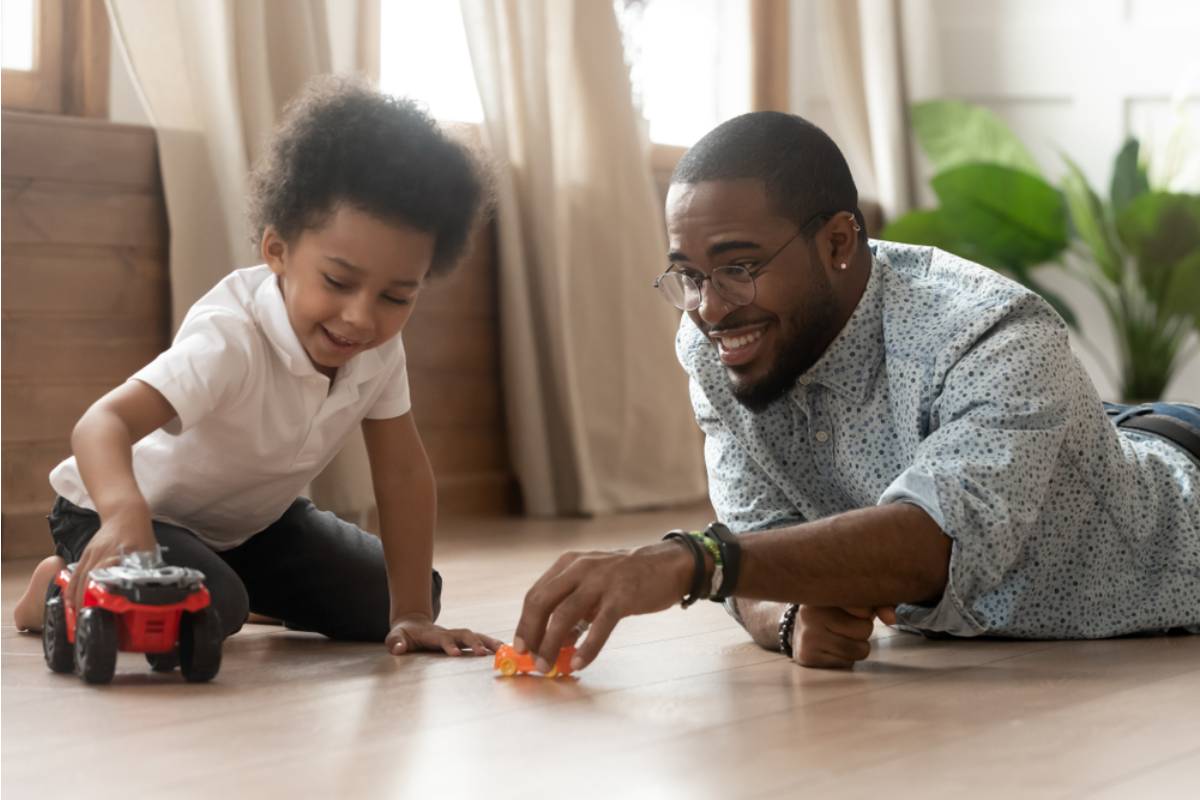
Lately, his daughter has become completely obsessed with Paw Patrol. She wants to use the same figures, recreate the same kinds of scenes, and have her father join her whenever he is home. At first, he was happy to get down on the floor and play along, but something about the repetition started wearing him down.
Paw Patrol Became the Main Event
The father explained that his daughter can stay focused on the characters for what feels like an endless amount of time. She enjoys the game, but he finds himself becoming bored surprisingly quickly. After roughly fifteen minutes, his enthusiasm starts disappearing even though hers seems to be increasing.
That difference leaves him in an uncomfortable position. He wants his daughter to feel loved and connected to him, but he also does not want to spend his entire evening pretending to be a cartoon character. Eventually, he usually tells her that she can play for a while on her own because he needs to do something else.
Then the Guilt Shows Up
The real problem, he said, is what happens after he leaves the game. His daughter sometimes looks disappointed, and that reaction immediately makes him wonder whether he has failed her somehow. Instead of simply enjoying the time they already spent together, he starts questioning whether he should have stayed longer.
He wondered whether a good father is supposed to endure the boring parts without complaint. Maybe he should simply keep playing until his daughter is ready to stop. The possibility that she might interpret his refusal as rejection is what makes the decision so difficult for him.
He Started Questioning His Own Parenting
The father’s concern went beyond boredom. He worried that his daughter might not be receiving enough attention because he refuses to play certain games for long periods. Since the activity matters so much to her, it seemed possible to him that refusing to participate could make her feel unimportant.
At the same time, he recognized that adults have limits. After spending a full day at work, he said he arrives home wanting to be present and engaged, but his energy does not magically reset when he walks through the door. By the time Paw Patrol has been reenacted several times, his patience is running dangerously low.
One Response Changed the Way He Viewed It
A person offered a very different perspective on independent play. Instead of seeing a child playing alone as something sad, the person viewed it as an important skill that children need to develop. Being able to handle boredom, create games, and entertain themselves can give children confidence rather than leaving them dependent on adults.
That response also challenged the idea that parents must constantly provide entertainment. The person explained that their children receive plenty of attention through crafts, outdoor activities, and other shared experiences. They simply do not believe every toy session needs a parent sitting on the floor for hours.
Other Parents Understood the Exhaustion
Several people admitted that imaginative play was one of the hardest parts of parenting for them. They were happy to read books, make crafts, play games, or go outside, but pretending to be the same characters over and over could feel almost painfully repetitive. One person described replaying tiny scenes from children’s shows until the routine became mentally exhausting.
Another response from a person compared imaginative play with a loop that simply never ends. A child might happily repeat the exact same five-minute scene while the adult feels like they have been trapped inside it for an entire afternoon. For these parents, the issue was not a lack of love but a very specific kind of boredom.
Some Parents Found a Time Limit Worked
One of the most practical suggestions was also one of the simplest. A parent said they began setting a timer for imaginative play so the child knew there was a clear beginning and ending. Instead of abruptly announcing that playtime was over, the timer created a predictable transition to another activity.
The father was reassured that fifteen minutes of genuine, uninterrupted attention was not necessarily too little. One response from a person suggested that after the timer ended, the parent could invite the child to do something the parent actually enjoyed. That way, the child still received focused attention while the adult was not forcing themselves through an activity they hated.
The Game Did Not Have to Be Equal Every Time
Another person pointed out that playing together does not mean one person has to control everything. They described using the idea of “yes and,” accepting what a child introduces into the game while adding their own ideas. This gave the parent a way to participate without simply following every instruction.
The approach also addressed what happens when children become too controlling during pretend play. One parent explained that if a child wants to decide every single action, the adult can politely step back. The message is simple: playing together means both people get to contribute.
Parents Also Started Talking About Saying No
Several responses emphasized that children need to learn that other people have preferences too. One person said they would tell their children honestly when they did not want to play a certain game. The goal was not to reject the child, but to teach that another person’s “no” deserves the same respect the child expects when someone else sets a boundary.
That lesson could also help children understand friendships. Not every friend will want to play the same game, and not every person will agree to the same rules. Learning that at home, in a safe environment, may make it easier for children to navigate those moments with other kids.
Independent Play Was Not Seen as Neglect
The more people responded, the clearer one message became. Several parents did not consider independent play a sign that a child was being ignored. In their households, children were encouraged to make up their own games, build things, color, explore, or simply figure out what to do next.
One parent described spending plenty of quality time with their child without constantly joining every toy activity. They would check in, comment on what the child was building, ask questions, and listen when the child came over to show something. The child still received attention, but the parent was not responsible for making every minute entertaining.
Some Parents Preferred Activities They Actually Enjoyed
Not everyone disliked playing altogether. Many parents simply preferred different forms of play. Board games, sports, drawing, reading, outdoor activities, video games, cooking, and building projects were mentioned as much more enjoyable ways to connect.
One parent admitted they had practically no interest in pretend play but loved helping with kits, building toy tracks, reading stories, and going for walks. They had decided that quality time should involve activities both people could tolerate or enjoy. In their view, forcing a parent to sit through twenty minutes of misery did not automatically make the interaction more meaningful.
Then Came the Argument About What Children Really Need
A more passionate response suggested that modern parents may feel unnecessary pressure to entertain their children constantly. The person argued that children have always had to develop ways to occupy themselves and that boredom can push them toward creativity. Several others agreed that a child does not need a parent beside them every time a toy comes out.
That did not mean parents should disappear from their children’s lives. The distinction was between being available and being continuously responsible for play. A child could know that a parent is loving and attentive while also understanding that the parent occasionally needs to sit down, finish a task, or simply do something else.
The Father Was Reminded That He Is Part of the Fun
One response offered a more emotional reminder. The person said children often do not care nearly as much about the game itself as they care about having their parent involved. From a child’s perspective, Paw Patrol may not be the important part at all.
That idea gave the father another way to look at the situation. He did not necessarily need to become an enthusiastic Paw Patrol fan. He might simply need to give his daughter a little time in which she knows she has his full attention, even if the activity itself is not particularly exciting to him.
Fifteen Minutes Might Have Been Enough All Along
As the discussion continued, fifteen minutes started sounding less like a parenting failure and more like a reasonable boundary. Fifteen minutes of focused attention is very different from half an hour of an exhausted parent pretending to have fun while silently counting the minutes. The quality of the interaction may matter more than forcing it to continue indefinitely.
One parent even recommended ending the activity while it was still going well. After the timer, the adult could suggest another game or invite the child to join them in whatever they were doing next. If the child refused, the parent could simply let her return to independent play.
The Guilt Was Probably the Hardest Part
The father appeared less troubled by Paw Patrol itself than by the story he was telling himself afterward. Every time his daughter looked disappointed, he interpreted it as evidence that he had not given her enough. That made an ordinary parental boundary feel like a moral failure.
But the responses painted a much broader picture of what being present actually means. A parent can cuddle, read, cook, explore, talk, go outside, help with projects, and share countless other experiences without spending every evening in pretend-play mode. Love does not have to be measured by the number of fictional rescue missions completed before bedtime.
The Twist Was That Saying No Could Be Part of Parenting
By the end of the discussion, the father’s original question had almost flipped upside down. He began by wondering whether refusing to play Paw Patrol made him a bad dad. Instead, several people suggested that learning to say “not right now” could actually teach his daughter something valuable.
The child could learn that people have limits, that boredom is survivable, and that other people are allowed to choose what they enjoy. The father could still get on the floor, play Paw Patrol for fifteen minutes, and give his daughter the focused attention she wants. The unexpected lesson was that being a present parent did not require becoming the world’s most committed Paw Patrol actor.