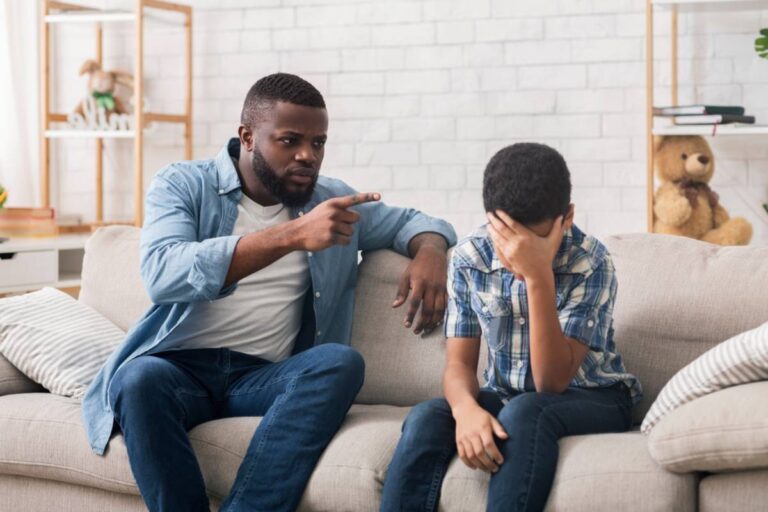
A Dad Says His Six-Year-Old Accidentally Saw a Graphic Movie Scene, and Now He’s Trying to Figure Out How to Make Sure His Son Knows the Woman Was Never Really Hurt

A person shared his story after an ordinary movie night took a sudden turn when his six-year-old son accidentally wandered into the room. He and his wife had decided to watch a horror comedy they were excited about, expecting an entertaining night rather than a parenting crisis. Neither of them realized their young child was nearby until the most graphic part of the opening scene was already happening.
The scene was not merely scary in a vague, movie-monster sort of way. A woman was brutally killed in an intensely graphic sequence, complete with disturbing visual effects that made the death look horrifyingly real. By the time the father turned around and noticed his son, the boy had already seen enough to be deeply shaken.
The Worst Discovery Came Too Late
The father quickly realized that his son had quietly entered the room without either parent noticing. The timing couldn’t have been worse because the boy had arrived during the final moments of the violent scene. What the parents had understood as over-the-top fictional gore was simply a terrifying event happening on a screen to a six-year-old.
The child immediately reacted the way anyone might expect from a young kid who had just seen something completely outside his normal experience. His hands were shaking as he described what he had witnessed, and he repeatedly talked about the scene. The father understood that explaining the difference between movies and reality would be important, but there was no way to erase what the boy had already seen.
Dad Stayed With Him Through the Fear
Instead of brushing off the reaction, the father took his son back to bed and stayed with him for a while. The boy wanted hugs and reassurance, so his father gave him plenty of both while listening to everything he wanted to say. They talked about how movies are fake, how the woman was an actress and how nobody had actually been killed.
That reassurance seemed like the obvious first step, but the father could still see that his son was genuinely frightened. The boy wasn’t simply saying that the movie was gross or weird. He appeared to be trying to process whether the horrifying thing he had seen could actually happen, which made the father’s calm explanation much more important.
The Comedy Made the Situation Even Stranger
There was an odd layer to the entire incident because the movie itself was supposed to be funny. The violence was intentionally exaggerated and designed to make experienced horror fans laugh. Adults who understood the genre could see the ridiculousness behind the blood and special effects.
A six-year-old who didn’t watch scary movies had none of that context. Instead of recognizing the scene as an absurd parody, he saw a woman apparently being killed in front of him. The joke depended on the audience knowing that the gore wasn’t real, while the boy had walked in without the information needed to understand that joke.
The Screaming May Have Been Worse Than the Gore
The father later wondered whether the woman’s terrified screaming might have bothered his son just as much as the graphic visuals. That was a revealing thought because children can be affected by the emotional intensity of a scene, not just the frightening images. Hearing someone scream in terror can make a fictional event feel painfully real.
The boy hadn’t just witnessed strange special effects splashing across a screen. He had also heard what sounded like a real person experiencing unbearable fear. That combination likely made the scene much harder to dismiss as something silly or imaginary, especially for a child who hadn’t developed much familiarity with horror movies.
Morning Arrived Without Another Conversation
By the next morning, the father faced a new question. He didn’t bring up the scene right away because he worried that mentioning it might make his son think about it even more. At the same time, he didn’t want to pretend nothing had happened if the boy was still carrying the fear around.
His instinct was to let his son bring it up whenever he needed to. He planned to answer questions, offer hugs and provide reassurance rather than constantly reminding the child about the frightening moment. Still, he wanted to know whether there was something proactive he could do to help make the memory less scary.
A Response From a Person Had an Unusual Idea
A response from a person suggested showing the child how movies create special effects and prosthetics. The idea was simple but clever because it could replace the mystery of the scene with something the child could actually understand. Instead of seeing a frightening image as an unexplained event, he could begin seeing it as a collection of costumes, makeup, props and visual tricks.
The father immediately liked the suggestion and considered finding behind-the-scenes material involving the actress from the scene. His hope was that seeing the performer as a normal person might give his son an entirely different mental picture. A woman who had appeared to die horribly on screen could suddenly become an actress laughing, talking and walking around safely.
Another Parent Remembered a Similar Childhood Moment
A response from a person shared a personal memory about accidentally seeing a frightening science-fiction movie as a child. That person had fallen asleep while watching television and woke up to a terrifying scene, eventually watching far more of the movie than they intended because they were too frightened to move. The fear didn’t disappear simply because the screen was broadcasting fiction.
Then something unexpectedly helpful happened. A making-of documentary aired afterward, showing the actors getting into the alien costume and preparing for the scenes. Seeing the frightening creature transformed into people putting on a costume suddenly made the whole thing seem funny rather than terrifying.
The Behind-the-Scenes Trick Suddenly Made Sense
That story gave the father a possible roadmap for helping his son. A child doesn’t necessarily need a detailed explanation of filmmaking theory to understand that something frightening was constructed. Seeing the person behind the character can sometimes make the illusion feel much less powerful.
The father seemed especially interested in finding material that showed the actress herself. His son hadn’t specifically asked about whether she was okay, but the father suspected that might be one of the questions quietly troubling him. Showing her safe and happy could give the child’s brain a new ending to the frightening scene.
Another Parent Had Seen the Same Problem Up Close
A response from a person described having a child who had been exposed to horror content at a very young age. In that situation, the other parent believed repeated exposure would make the child less sensitive to scary material. The approach created a much more serious family conflict, but the person still learned useful ways to help the child process frightening images.
Whenever the child brought up something disturbing, they talked about movie makeup, special effects and the techniques filmmakers use to create frightening scenes. They also looked up actors’ profiles so the child could see the people behind the characters as ordinary human beings. That approach turned the conversation away from the horror itself and toward the fact that the whole thing had been carefully manufactured.
The Child Could Learn the Secret Behind the Screen
That may have been the key insight hiding inside all the responses. The boy had seen an image that looked completely real, but he had no reason yet to understand how movies created that illusion. Giving him a glimpse behind the curtain could help him replace the frightening mystery with something concrete.
There was also a small lesson about how children process information differently from adults. The parents understood immediately that the scene wasn’t real because they had years of experience watching movies. Their son didn’t have that same mental library, so showing him how the illusion worked might be more powerful than repeatedly insisting that everything was fake.
Dad Was Already Thinking About Prevention
The father also understood that the immediate problem wasn’t the only issue. He wanted to make sure his son couldn’t accidentally wander into another room while graphic content was playing. The mistake had happened in a moment of inattention, and nobody wanted a repeat performance.
That didn’t mean the parents needed to treat their home like a maximum-security movie theater. It simply meant accepting that a six-year-old could appear unexpectedly and see something before an adult realizes he is there. A locked door, a safer viewing setup or waiting until the child was fully asleep could solve the practical side of the problem.
The Responses Focused on Context, Not Shame
One of the most reassuring parts of the discussion was that people weren’t suggesting the parents frighten or punish the child for having seen the scene. The boy hadn’t done anything wrong by being curious and entering the room. He had simply encountered something that his young mind wasn’t prepared to process.
A response from a person emphasized the importance of helping children understand what they saw rather than leaving their imagination to fill in the blanks. That approach fit what the father was already doing with hugs and reassurance. The goal wasn’t to make the boy forget the scene instantly, but to make it less mysterious and less powerful.
The Father Started Looking for a Different Ending
The more advice he received, the more the situation seemed to have a surprisingly simple path forward. The frightening scene had already happened, and it couldn’t be removed from the child’s memory. But the father could give the memory new information that changed what it meant.
Instead of remembering only a screaming woman being brutally killed, the boy might eventually remember an actress wearing makeup while a film crew created fake blood and special effects. The image could still be disturbing, but it would no longer stand alone as something unexplained and potentially real. In a strange way, the best way out of a horror scene might have been to show the six-year-old exactly how the trick was performed.
The Twist Was That the Movie Could Become the Lesson
What began as an accidental glimpse of graphic violence could ultimately turn into an introduction to filmmaking. The boy might discover that movie monsters, injuries, explosions and deaths can all be carefully constructed illusions. The scary image that had left him trembling could become an example of how actors, makeup artists and filmmakers work together to create something that looks real.
That possibility gave the father a way to help without pretending the scene hadn’t been frightening. His son had been scared for a very understandable reason, and there was no shame in that reaction. But with reassurance, patience and a peek behind the scenes, the terrifying memory might eventually become a story about discovering that movies have secrets.
In the End, Dad Was Looking for Reassurance Too
The father began by asking what he should do after his son’s frightening experience, but the responses seemed to reassure him that he had already taken some of the most important steps. He had stayed beside his child, listened to him, answered his questions and reminded him that the actress was safe. He also recognized the practical mistake and was prepared to prevent it from happening again.
The next chapter would be about helping the boy understand the difference between what a movie shows and what actually happened. Perhaps a behind-the-scenes clip would do it, perhaps a cheerful interview with the actress would help, or perhaps the memory would simply become less frightening with time. Either way, one accidental glimpse into a horror movie had turned into an unexpected lesson about fear, filmmaking and the strange power of a screen to make fiction feel real.