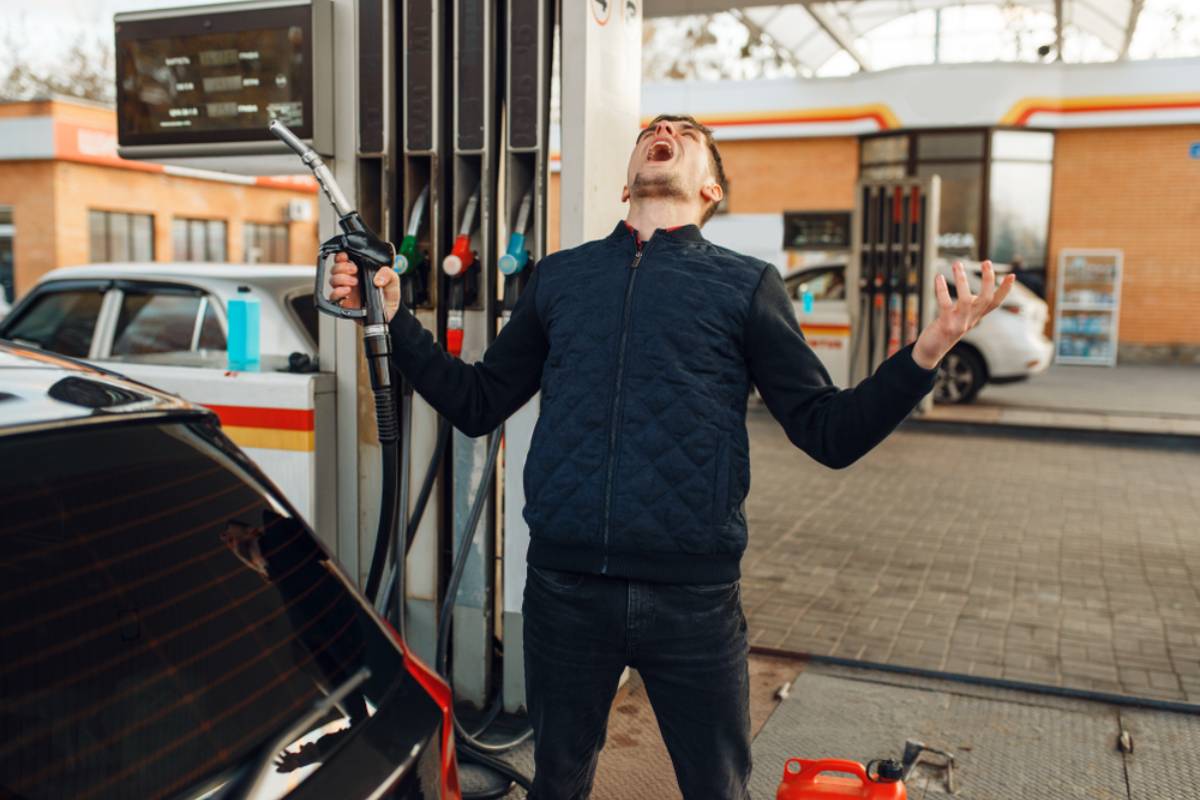
A Frugal Driver Says Rising Gas Prices Are Making Everyday Life Feel Impossible, and the Money-Saving Advice He Received Revealed a Bigger Problem

A person shared his story after rising gas prices began making his already busy life feel increasingly difficult to manage. He had to drive to work five days a week, and taking his children to their various classes and activities added even more miles to his schedule. With no option to work from home, he found himself spending more time thinking about fuel costs than he wanted to admit.
The situation became especially frustrating because driving was not something he could simply stop doing. His weekly travel added up to around 400 miles, turning every trip to the gas station into another reminder of how expensive daily life had become. He had hoped the situation would improve soon, but as prices continued climbing, that optimism began to disappear.
Waiting for Gas Prices to Drop Was No Longer a Plan
At first, the driver had been holding on to the hope that the rising prices would eventually settle down. He did not want to make drastic changes to his family’s routine over something he believed might be temporary. However, the possibility of prolonged high fuel costs made it harder to keep telling himself that things would soon return to normal.
Eventually, he decided to ask other people how they were coping with the situation. He was not looking for an elaborate financial strategy or a lecture about making better choices. He wanted practical ideas that could help someone who still needed to get to work, take care of their children, and keep everyday responsibilities moving without spending a fortune on gasoline.
One Person Suggested Swapping Four Wheels for Two
One response from a person offered a straightforward suggestion: use a bicycle more often. For people who lived close enough to their workplaces or nearby shops, cycling could replace some car journeys and reduce fuel expenses. It was a simple idea that did not require anyone to wait for gas prices to fall before taking action.
Another person added a humorous twist, explaining that choosing between gasoline and beer had become an easy decision, so the bicycle had won. The joke captured the frustration many people felt when ordinary purchases suddenly seemed to compete with essential bills. However, cycling was not a realistic option for everyone, particularly those who lived far from work or needed to transport children regularly.
The Smallest Changes Could Make a Difference
Not every suggestion required buying a new vehicle or completely changing a family’s lifestyle. One person recommended keeping tires inflated to the correct pressure, combining errands, and choosing routes that involved less stop-and-go traffic. These adjustments might seem minor, but they offered drivers ways to reduce unnecessary fuel consumption without spending extra money.
Another response suggested removing unnecessary weight from the car and accelerating more smoothly. Instead of rushing toward traffic lights and braking sharply at the last moment, drivers could anticipate stops and maintain a steadier pace. The appeal of these suggestions was their simplicity, since people could try them immediately without waiting for a major change in their financial circumstances.
Driving Slower Became an Unexpected Money-Saving Strategy
Speed was another major topic in the discussion, with several people arguing that aggressive driving could make fuel expenses worse. A person explained that speeding on the highway could waste gasoline, particularly when someone drove well above the posted limit. Leaving home a little earlier and maintaining a reasonable speed could help reduce unnecessary fuel consumption.
Other drivers shared their experiences after slowing down and resisting the urge to race past everyone on the road. Some noticed improvements in their fuel economy, while others enjoyed feeling less pressure to compete with impatient motorists. The advice was not about driving dangerously slowly, but about making smoother decisions and following safe, appropriate speeds rather than treating every commute like a race.
Gas-Price Apps Offered a Little Relief at the Pump
For drivers who could not reduce their mileage, finding cheaper gasoline became another way to ease the pressure. One response recommended using GasBuddy to compare nearby fuel prices before filling up. Even when the difference between stations seemed small, regular savings could become meaningful for someone who needed to buy gas several times a week.
Another person suggested using fuel rebate apps such as Upside to earn money back on eligible purchases. These programs would not magically make expensive gasoline affordable, but they could reduce the amount drivers effectively paid over time. The important lesson was to compare the actual savings with any extra driving required, because traveling farther to save a few cents could easily defeat the purpose.
Combining Errands Turned Several Trips Into One
One particularly practical response focused on organizing weekly errands more carefully. Instead of making separate trips for groceries, pharmacy visits, household supplies, and other small tasks, the person planned a single route that covered several stops. This approach reduced repeated journeys and made better use of the fuel already in the tank.
The idea was especially relevant for families whose schedules seemed to involve endless trips in different directions. A grocery run followed by a pharmacy visit and a quick stop at another shop could become one carefully planned outing rather than three separate drives. While it could not eliminate the family’s necessary travel, it offered a way to cut out some of the miles that added little value to their day.
Public Transportation Offered Savings With a Trade-Off
Some people recommended taking buses or trains whenever possible, even if doing so added time to the daily commute. One person explained that public transportation could produce significant savings compared with driving alone every day. Another described using both transit and a bicycle, finding that the combination reduced expenses while making travel more enjoyable.
However, these suggestions came with an important limitation. Public transportation was not available everywhere, and some workers had no convenient route between home and their workplace. For families living in rural areas or juggling multiple school activities, abandoning the car could be far more complicated than it sounded in a quick response.
The Electric Vehicle Debate Quickly Entered the Conversation
As the discussion continued, some people suggested switching to an electric vehicle. A used electric car could potentially reduce ongoing fuel expenses for someone whose driving patterns and charging options made the change practical. Others shared positive experiences with electric vehicles and plug-in hybrids, explaining that lower operating costs had made them attractive over time.
Yet the suggestion also revealed how differently people experienced the same financial problem. Buying another vehicle required money upfront, and not everyone could afford a replacement car simply because gasoline had become expensive. Home charging was another obstacle for people living in apartments without charging facilities, making the supposed solution much less straightforward than it first appeared.
One Driver Had Already Made a Major Vehicle Change
One response offered a concrete example of how changing vehicles could affect a household’s fuel budget. The person explained that he had sold a large SUV averaging about 22 miles per gallon and replaced it with a compact hatchback averaging roughly 40 miles per gallon. That change meant he could travel a similar distance while using considerably less gasoline.
The same person also mentioned using a motorcycle for certain solo journeys because it delivered even better fuel economy. Naturally, neither option would suit every driver, and purchasing another vehicle could involve substantial costs. Still, the example showed that a car’s fuel efficiency could have a major effect on long-term expenses, particularly for people who drove hundreds of miles every week.
Some Families Started Staying Home More Often
Another response took a different approach by reducing optional travel instead of trying to make every necessary journey cheaper. One person explained that the family had stopped driving long distances for occasional outdoor activities and had started enjoying game nights at home instead. Neighborhood walks and other inexpensive activities became alternatives to outings that required substantial fuel.
This strategy also raised an uncomfortable question about how much freedom people had to change their routines. Cutting back on unnecessary shopping trips was one thing, but giving up activities that helped a family relax and spend time together could feel like another sacrifice. For households already struggling with rising expenses, the challenge was finding a balance between spending less and maintaining a reasonable quality of life.
Families With Children Faced a Different Kind of Problem
The original driver had specifically mentioned taking his children to classes and other activities, which made some of the simpler suggestions difficult to apply. A response from a person questioned whether every activity required a separate trip and suggested prioritizing the most important commitments if fuel costs were threatening the family budget. That advice encouraged families to examine their schedules rather than automatically treating every journey as unavoidable.
Another person pointed out that libraries often offered free programs for children and teenagers. These activities could provide entertainment and learning opportunities without requiring parents to pay for expensive classes or drive long distances several times a week. For some households, replacing even one costly activity with a nearby free alternative could create a little breathing room in an otherwise tight budget.
The Advice Exposed a Problem That Saving Tips Could Not Fix
As more people weighed in, the conversation revealed a divide between those who could change how they traveled and those who had very few alternatives. Some drivers could cycle to work, use public transportation, or charge an electric vehicle at home. Others lived in places where driving was essential, their workplaces were far away, and safe cycling routes or convenient transit simply did not exist.
Several responses pushed back against the assumption that everyone could solve rising fuel costs by buying an electric car or an expensive electric bicycle. One person explained that rural roads could be dangerous for cyclists, while another noted that apartment residents might have nowhere to charge an electric vehicle. Their point was simple: advice that works beautifully for one household may be impossible for another.
Fuel Rewards and Everyday Discounts Became Part of the Plan
Some people focused on saving money through reward programs rather than making major lifestyle changes. They described using fuel station apps, grocery store loyalty programs, and eligible cash-back credit cards to reduce the effective cost of filling up. One person explained that grocery rewards could be particularly useful because points earned on regular purchases could sometimes be redeemed for fuel discounts.
Others suggested combining available discounts when the terms allowed it, although the actual savings depended on the program and the driver’s spending habits. These approaches required some attention to details, and a reward was not necessarily worthwhile if earning it encouraged unnecessary purchases. The most useful strategy was to take advantage of discounts on gasoline and groceries the household already needed, rather than spending extra money to chase a deal.
The Biggest Lesson Was That There Was No Single Solution
By the end of the discussion, it was clear that the driver had not overlooked one magical trick that would make his fuel bills manageable again. The most realistic options involved a combination of smaller changes, including planning errands, improving driving habits, checking fuel prices, and reducing unnecessary journeys. For some households, public transportation or a more efficient vehicle could offer additional savings if the circumstances allowed it.
More importantly, the responses showed that rising gasoline prices affected more than the amount of money people spent at the pump. They influenced family schedules, children’s activities, commuting choices, and even the way people spent their free time. The driver’s question began as a search for practical savings, but the answers exposed a bigger frustration: many people were being asked to do more with less while having very different levels of control over their everyday expenses.