A Homeowner Says Her Neighbors’ Guests Kept Parking Inches From Her Driveway, and One Sunday Morning, She Finally Found a Petty Way to Make Her Point

A person shared his story about living with his parents in an upper-middle-class gated neighborhood where the homeowners association had some unusually strict rules. One of those rules prohibited street parking unless visitors obtained a special guest pass, which was meant to keep the roads clear of parked vehicles. At first, the arrangement seemed reasonable enough, but it gradually became the source of an irritating problem for the family.
The house sat near the entrance of a cul-de-sac, just before the road curved into a semicircle serving several other homes. That location meant visitors heading to two nearby houses frequently parked outside the family’s property instead of looking for somewhere closer to their hosts. What began as an occasional inconvenience soon became a regular neighborhood habit that tested everyone’s patience.
The Visitors Started Treating the Street Like Their Own Parking Lot
The person explained that the visitors were not simply stopping by for a quick hello or arriving for the occasional holiday gathering. Cars regularly appeared outside the house several times a week, sometimes arriving before nine in the morning and remaining there until after seven in the evening. The family had little control over the situation, so they initially tried to tolerate it rather than turn a parking problem into a neighborhood feud.
The frustrating part was that the visitors seemed perfectly comfortable leaving their vehicles in front of someone else’s home for most of the day. Meanwhile, the family had to adjust to having unfamiliar cars occupying the space outside their property again and again. Although the situation might sound minor to someone who rarely struggles with parking, the repeated inconvenience was beginning to wear thin.
Sundays Turned a Small Annoyance Into a Weekly Problem
The situation became particularly irritating on Sundays because that was the family’s trash collection day. The person regularly wheeled the household’s trash cans down the driveway, only to discover that a visitor’s car was occupying the space where the bins needed to go. Instead of placing the cans conveniently along the sidewalk, the family had to find another arrangement.
This was not an isolated incident that happened once in a while. The same problem kept returning, turning an ordinary household chore into a small weekly battle with other people’s parking habits. The family had been patient, but every Sunday brought another reminder that the visitors were making themselves comfortable without considering the people who actually lived there.
The Cul-de-Sac Made Everything Even More Frustrating
Because of the home’s position near the curved section of the street, the family seemed to attract more than its fair share of visitor parking. Guests heading to the two houses around the semicircle often chose the easiest available space, even when that meant leaving their cars directly outside the family’s property. The house across the street also experienced some of the same behavior, but the person said their own home was affected most often.
The strange part was that there were other places where visitors could park. The family did not expect everyone to avoid the street outside their home forever, and the person acknowledged that occasional visitor parking was understandable. What made the situation frustrating was the repeated choice to crowd their property when other options appeared to be available.
One Woman Finally Pushed Things Too Far
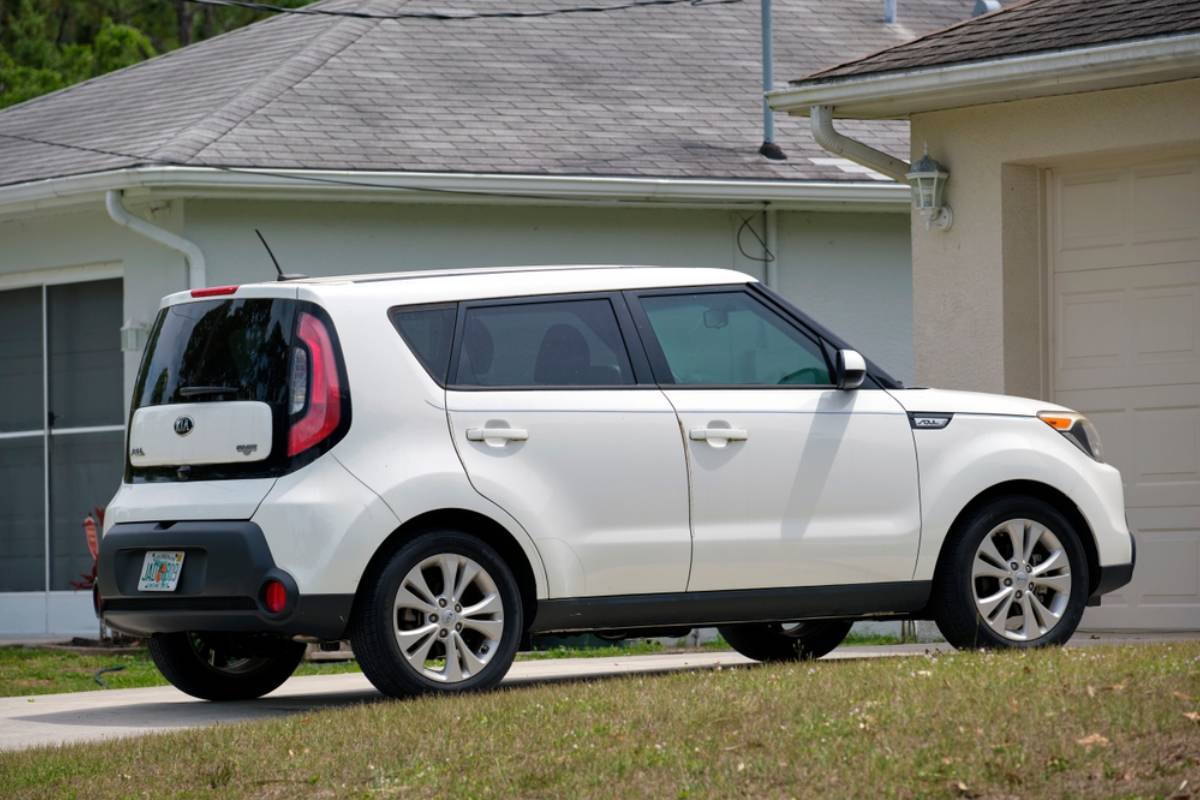
The breaking point arrived on a Sunday morning when the person was preparing to take the trash cans down the driveway. As they headed outside, they spotted a woman getting out of a car that had been parked just inches from the family’s driveway. The vehicle was positioned so close that anyone trying to pull out of the garage would need to be extremely careful.
The woman seemed completely unbothered by the placement of her car. She greeted another neighbor who was also taking out the trash and then walked toward a nearby house, leaving the vehicle exactly where it was. The person stood there with a trash can, watching the scene unfold, and realized that the usual approach of simply putting up with the inconvenience had finally reached its limit.
The Family Had Already Tried to Work Around the Problem
Before deciding what to do, the person went inside and asked their father where the household’s trash cans should be placed. The father suggested putting them in front of his car because he did not expect to drive anywhere the following morning. It was a practical solution that would allow the family to get on with the day’s chores without confronting the woman directly.
However, the sight of the car parked so close to the driveway had already planted an idea in the person’s mind. The woman had left so little room that the family had to reorganize its own routine around her decision. Instead of arguing about it, the person began considering a way to make the inconvenience visible without touching the car or starting a direct confrontation.
Then an Idea Appeared Beside the Trash Cans
As the person wheeled the trash cans along the driveway, inspiration arrived in the form of a particularly inconvenient household object. The family had a green waste bin that was heavier than the regular trash can and contained branches sticking out from the top. It was exactly the kind of object that could make someone reconsider parking quite so close to another person’s driveway.
Rather than place the bin at an ordinary distance from the car, the person decided to position it just inches from the front of the woman’s vehicle. The bin did not touch the car, but it occupied enough space to make leaving awkward. Suddenly, the person who had parked carelessly was facing a small inconvenience of her own.
The Green Waste Bin Became the Star of the Revenge
The person carefully positioned the green bin close enough to the front of the car that the woman would have to deal with it before driving away. It was not a dramatic stunt involving damage, a confrontation, or an angry note left beneath a windshield wiper. Instead, it was a quiet little arrangement that mirrored the lack of consideration the family had been experiencing.
The regular trash can was then placed a normal distance away from the green waste bin. This made the arrangement look less like a random accident and more like a deliberate response to the woman’s parking decision. The person had found a way to communicate frustration without saying a single word, and the green bin was now doing all the talking.
Dad Saw the Arrangement and Understood the Message
The person’s father noticed where the bins had been placed and immediately recognized the passive-aggressive nature of the move. He did not pretend that the arrangement was entirely innocent or that the person had simply forgotten where the trash cans belonged. Instead, he acknowledged that the action was definitely passive-aggressive while agreeing that the parking situation was frustrating.
His reaction added another layer to the story because the person was not acting in a vacuum. The family had been dealing with the same recurring inconvenience, and the father’s response suggested that the frustration was understandable even if the solution was cheeky. The person had not launched a neighborhood campaign or demanded that everyone follow a new set of rules, but had chosen a small, pointed gesture instead.
The Woman Was Left With a Problem of Her Own
The clever part of the plan was that the bin did not need to touch the woman’s vehicle to make a point. Its position simply meant that she would have to move it or maneuver around it before leaving. After parking inches from someone else’s driveway, she could now experience the inconvenience of having an obstacle placed close to her own car.
The person did not describe a dramatic argument or a scene in which the woman came back to complain. There was no reported shouting match, no grand speech, and no instant neighborhood showdown. The revenge was deliberately small, leaving the situation open-ended while giving the person the satisfaction of finally responding to a repeated annoyance.
The Real Message Was About Basic Consideration
At its heart, the conflict was not really about a single parking space. The person had repeatedly watched visitors occupy the space outside the family’s home for hours, sometimes leaving the household struggling to position its trash cans properly. The woman who parked inches from the driveway represented the culmination of that ongoing frustration.
The person also made it clear that the issue was not simply that someone had parked outside their house. They could understand why guests might use a nearby space when visiting friends or relatives, particularly in a neighborhood with strict parking restrictions. What seemed unnecessary was choosing a spot so close to the driveway when other potential parking spaces were available.
Avoiding a Direct Confrontation Was Part of the Plan
One response from a person questioned why the homeowner had not simply spoken to the woman about the problem. The person explained that they had recently moved back in with their parents after graduating from university and were living at home without paying rent. They worried that a confrontation could create lasting tension between their parents and the neighbors.
That concern helps explain why the person chose a quiet act of petty revenge instead of a direct argument. They were not eager to turn an annoying Sunday morning into a dispute that might affect their parents long after the incident had passed. The green waste bin offered a way to express frustration while avoiding the kind of face-to-face conflict they were uncomfortable handling.
Other Neighbors Had Plenty of Opinions
The story prompted different reactions from people who had their own experiences with inconsiderate parking. Some suggested that the homeowner could contact the homeowners association if visitors were breaking the guest-pass rules. Others proposed parking the family’s own cars outside early on Sundays to make sure the spaces were occupied before visitors arrived.
There were also people who focused on the practical issue of parking too close to a driveway. They pointed out that local regulations or neighborhood rules might restrict how close a vehicle could be parked to an entrance. Still others found the trash-bin solution amusing, appreciating the idea of answering a repeated inconvenience with an equally inconvenient but harmless gesture.
The Guest-Pass Rule Added Another Twist
The neighborhood’s parking rules made the situation more complicated than an ordinary disagreement over who should park where. The person explained that guest passes were only valid for overnight parking, meaning visitors who stayed beyond the permitted period could potentially be reported to the homeowners association. However, if they left before that point, the association could not necessarily take action under the rule described.
The person and their parents had also considered parking their own cars outside early on Sundays because that would not count as overnight parking. That possibility offered a more practical way to prevent visitors from taking the preferred spaces in the first place. For the moment, however, the green waste bin was the person’s chosen response to the woman who had parked dangerously close to the driveway.
A Small Act of Revenge With an Unfinished Ending
By the end of the story, the person had not revealed whether the woman returned to find the bin in her way or whether the other visitors changed their parking habits. There was no confirmed happy ending in which every guest suddenly respected the family’s driveway. Instead, the story ended with the hope that the message might finally reach the neighbors who kept sending visitors to the same inconvenient spot.
That uncertainty is part of what makes the incident memorable. A family had endured a recurring annoyance, one Sunday morning finally pushed someone over the edge, and a green waste bin became an unexpectedly effective symbol of frustration. Whether the plan changed anyone’s behavior remained to be seen, but the person had found a way to make the point without damaging property or starting the confrontation they feared.