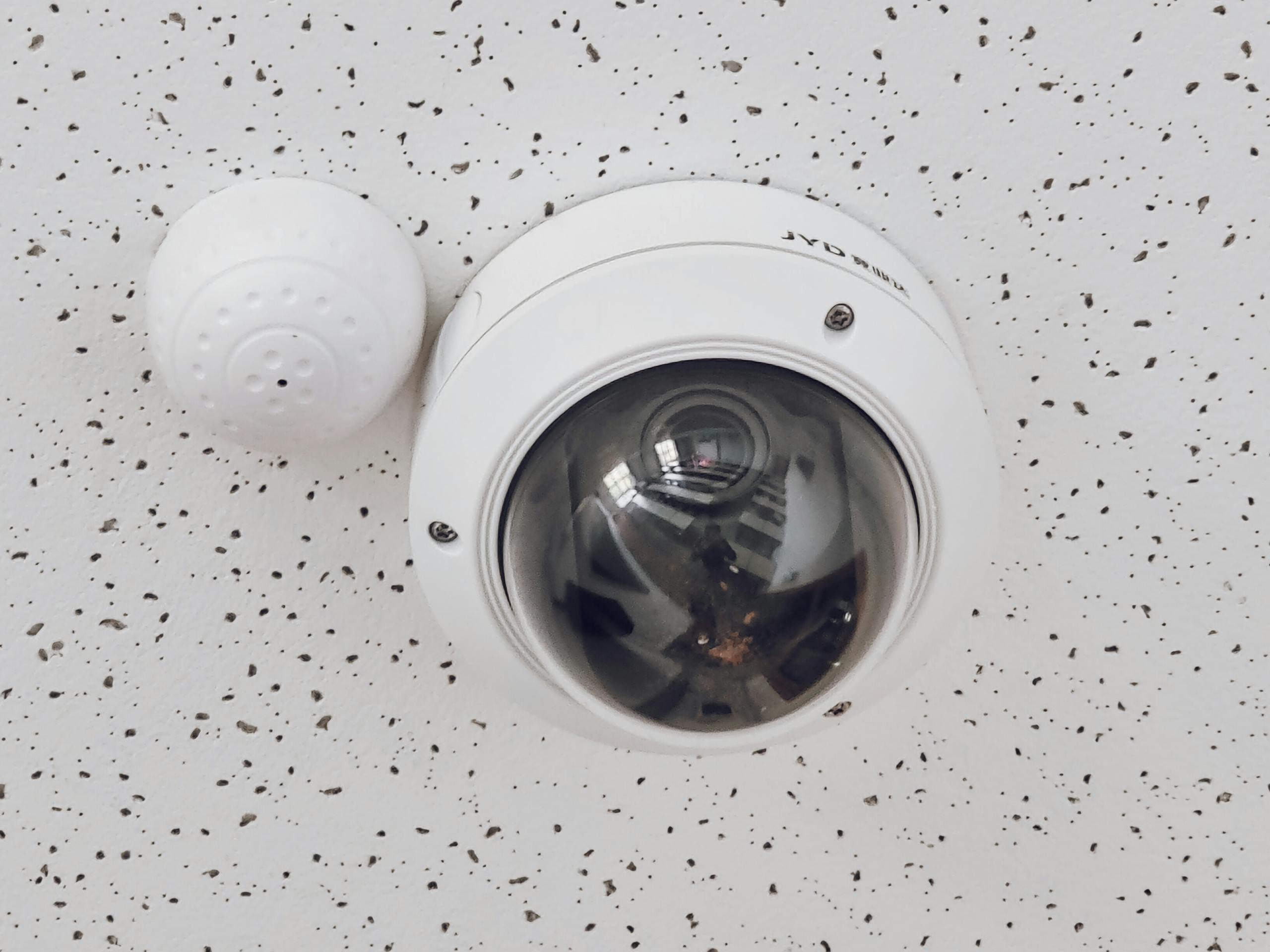
My Husband Wants to Instal Cameras to See and Hear Everything In the House “Absolutely Not! No Way!” He’s Now Saying I’m Hiding Something

When someone you promised to share a life with wants to put cameras and microphones in every corner of your home, the shock hits like a cold wave. “Absolutely not! No way!” is how the Reddit poster put it — and her instinctive refusal landed her in the middle of a fight where her husband has begun accusing her of hiding something. This is more than a disagreement about gadgets; it’s a clash over trust, consent and what privacy looks like inside a relationship. The scenario became a public plea for judgment, and it has a lot to say about boundaries and safety in intimate partnerships.
Why surveillance in the home feels different
We all accept cameras in public places and on the outside of homes for security. We draw the line, though, when monitoring moves inside — especially where children sleep, where personal conversations happen, or where you change clothes. Being watched or listened to at home turns a private sanctuary into a staged environment. The poster’s visceral “no way” reaction is not paranoia; it’s a defense of the basic right to private moments, private mistakes and private conversations with friends and family. Consent matters, and consent is complicated when one partner unilaterally decides the rules.
What might be driving the request — and why context matters
There are several reasons a partner might want round-the-clock monitoring. Fear of infidelity, anxiety about child safety, a desire for control after a trust breach, or a belief that “knowledge equals safety” can all play a role. Any of these motivations can feel reasonable in isolation. But the cumulative effect of being constantly watched can be controlling and dehumanizing. Context matters: is this an escalation after other controlling behaviors? Is it a well-intended but heavy-handed attempt to feel secure? Understanding the underlying motive can help frame the conversation, but it doesn’t automatically justify removing privacy.
How to respond when a partner demands total surveillance
Refusal doesn’t have to become a battleground. Calm, clear boundaries are your strongest tool. Start by naming the boundary — that you won’t accept audio or video monitoring inside shared private spaces without a mutual agreement. Ask your partner to explain the purpose: what problem is he trying to solve, and why does he think constant surveillance is the solution? Suggest alternatives that address legitimate concerns without eroding privacy, such as using cameras only on the exterior of the house, installing motion detectors, or agreeing on limited, clearly defined monitoring for specific circumstances and times.
When insistence becomes a red flag
Insistence that you must submit to surveillance, combined with accusations of “hiding something” for refusing, can be a sign of unhealthy dynamics. Bringing in shame or coercion to force compliance is manipulative. If the request is paired with tracking your phone, demanding passwords, or isolating you from friends and family, the pattern points beyond a disagreement to potential control or abuse. In those cases, it’s important to prioritize safety: document interactions, trust your instincts, and consider reaching out to a trusted friend, family member or a domestic violence resource to talk through options. A professional counselor or legal advisor can also clarify your rights regarding recording and consent in your jurisdiction.
How to negotiate a technology agreement
If both partners are open to compromise, lay out clear, written rules. Specify which cameras, where they will be placed, whether audio will be recorded, who has access to the footage, how long footage is stored, and how to review or delete recordings. Agree on signals or protocols for when cameras may be turned on for a limited time (for example, during a specific safety concern). Make sure both partners can say no without fear of retaliation, and revisit the agreement periodically. Involving a neutral third party — a counselor or mediator — can help both sides feel heard and ensure the agreement respects dignity and privacy.
What to keep in mind
Being asked to accept total surveillance at home is not a small request, and you don’t owe immediate consent. Protect your right to private spaces and private conversations, and insist on transparency and mutual agreement if any monitoring is proposed. Ask questions: Why now? What problem will this solve? Who controls the footage? If the answer involves coercion, shame, or escalating demands, take those signs seriously. If you’re able to negotiate a compromise, make it specific and time-limited, and put the agreement in writing. If the situation feels unsafe, reach out to friends, family, or professional resources for support and safety planning. Privacy is a cornerstone of trust; being pushed to give it up is a cue to pause, assess, and protect yourself.