A Mom Found Out Her Son Had Been Hiding His Report Cards in His Backpack for Two Months Because He Was Afraid of How Quiet the House Gets After Bad News

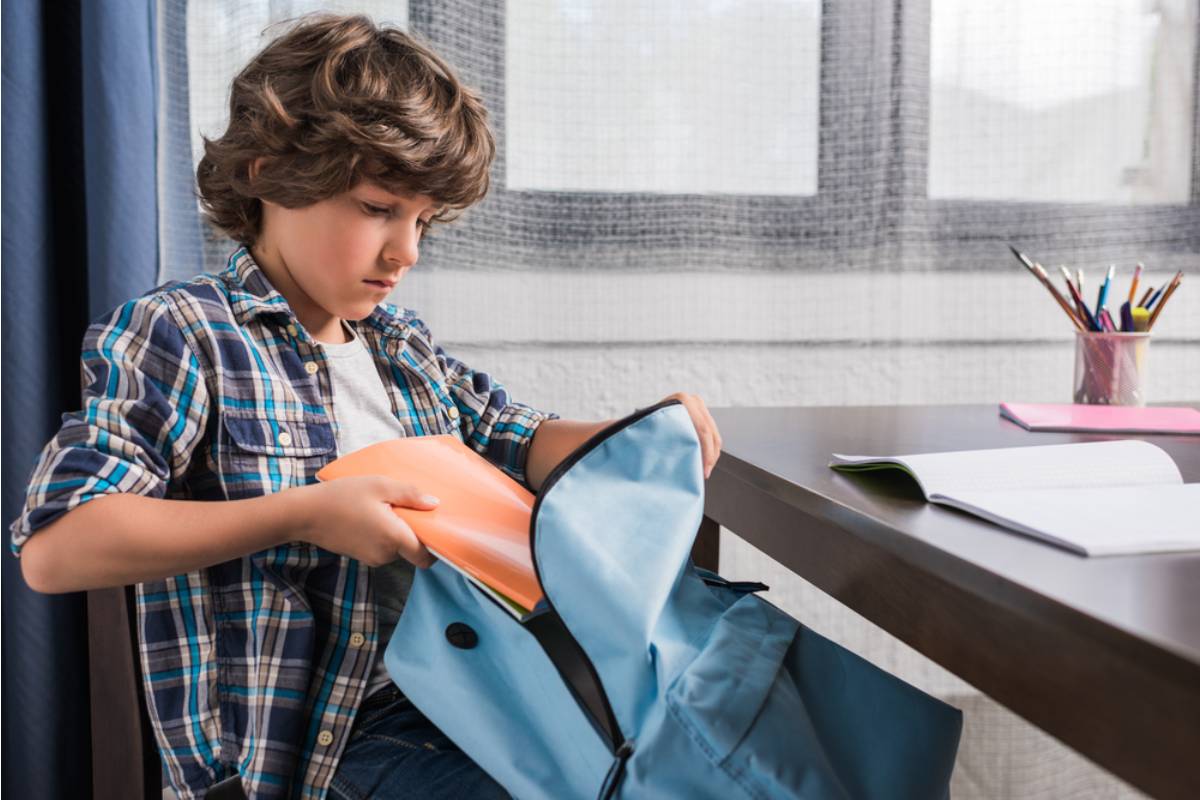
I thought my son’s school had stopped sending paper report cards because everything was available online. Between work, after school activities, and daily routines, I never questioned why nothing had come home that semester. Then one Saturday afternoon, while looking for a missing library book in his backpack, I found two sealed report card envelopes buried beneath old worksheets and snack wrappers. They had been sitting there for nearly two months. The moment I looked up, my son whispered, “Please don’t open them yet.”
His Face Said More Than His Words
I asked why he had hidden the envelopes instead of bringing them home. He stared at the floor and kept rubbing the straps of his backpack between his fingers. Finally, he said, “I wasn’t scared of getting grounded.” Then he looked at me with tears in his eyes and added, “I was scared of how quiet the house gets.” That answer stopped me before I even reached for the first envelope.
I Didn’t Understand What He Meant
At first, I thought he was talking about losing television privileges or having electronics taken away. He shook his head and explained that punishment wasn’t the hardest part. Whenever something disappointing happened, everyone in the house became unusually quiet for hours. No one yelled, but no one laughed either. He said the silence felt worse than any consequence.
The Memory That Changed Everything
His words immediately reminded me of the previous school year. After he failed a science test, I had been so frustrated that I barely spoke through dinner. I thought I was calming myself down before discussing the situation. My son had experienced it completely differently. He remembered the silence far more vividly than the conversation we eventually had.
I Opened the First Envelope
The report card wasn’t nearly as bad as I had imagined. He had struggled in math and social studies, but the rest of his grades were steady. There were comments from teachers saying he participated well in class and treated classmates with kindness. Nothing suggested he was giving up or refusing to work. He simply needed extra support in a couple of subjects.
The Second Report Card Hurt More
The second envelope showed slight improvement in math but a decline in science. What caught my attention most was the teacher’s note. She wrote that assignments were often completed well but turned in late because my son seemed afraid to submit work unless he believed it was perfect. Suddenly the report cards were telling a much bigger story than simple grades.
His Teacher Shared Another Piece
I scheduled a meeting with his homeroom teacher the following week. She admitted she had wondered why I never signed the report cards that required a parent’s signature. She assumed I was reviewing everything through the online portal. Then she mentioned my son often looked anxious on days graded assignments were returned. He wasn’t acting out. He was quietly worrying about bringing them home.
A Conversation With His Sister
That evening, my older daughter surprised me by admitting she had noticed the same pattern. She said her younger brother often checked everyone’s mood before mentioning anything related to school. If I looked tired after work or seemed stressed about bills, he would hide papers in his room until another day. He had been managing everyone else’s emotions instead of asking for help with his own. I had no idea he carried that responsibility.
We Changed One Family Rule
Instead of talking about grades that night, we talked about what happened after difficult news in our house. I admitted that I sometimes became quiet because I was thinking, not because I was angry. My son explained that he couldn’t tell the difference. Together we made a simple agreement. Whenever someone brought home disappointing news, we would spend the first few minutes talking about what happened before discussing any consequences or solutions.
The First Test of Our New Approach
A few weeks later, my son came home with a low quiz grade in math. Instead of hiding it, he placed the paper on the kitchen counter before taking off his backpack. He looked nervous while waiting for my reaction. I thanked him for showing it to me and asked what part of the lesson had been confusing. The conversation lasted only a few minutes, but afterward he smiled with obvious relief.
The Counselor Noticed a Difference
During a routine school meeting later that month, the counselor mentioned my son seemed much more relaxed. She said he had started turning assignments in on time and no longer appeared anxious when teachers handed back graded work. Nothing about his classes had changed dramatically. What changed was his confidence that home was still a safe place after making mistakes. That confidence showed up everywhere else.
An Unexpected Discovery
Near the end of the semester, I found another folded envelope inside his backpack while helping him clean it out. For a split second, my heart sank. Then he laughed and handed it to me. It was an old permission slip he had forgotten to throw away. He looked at me and said, “I don’t hide report cards anymore.” I realized he was proud of that, and so was I.
What Those Envelopes Taught Me
The report cards themselves were never the biggest problem. My son wasn’t afraid of grades nearly as much as he was afraid of what he believed would happen afterward. He thought one disappointing piece of paper could change the feeling inside our home. Looking back, I understand why he hid them for so long. Sometimes children aren’t avoiding consequences. They are trying to protect the people they love from disappointment, even when they shouldn’t have to carry that weight.