A School Aide Says She Watched a Teacher Mock a Student’s Stutter in Front of the Class and Reported It, but Nothing Has Changed Three Months Later

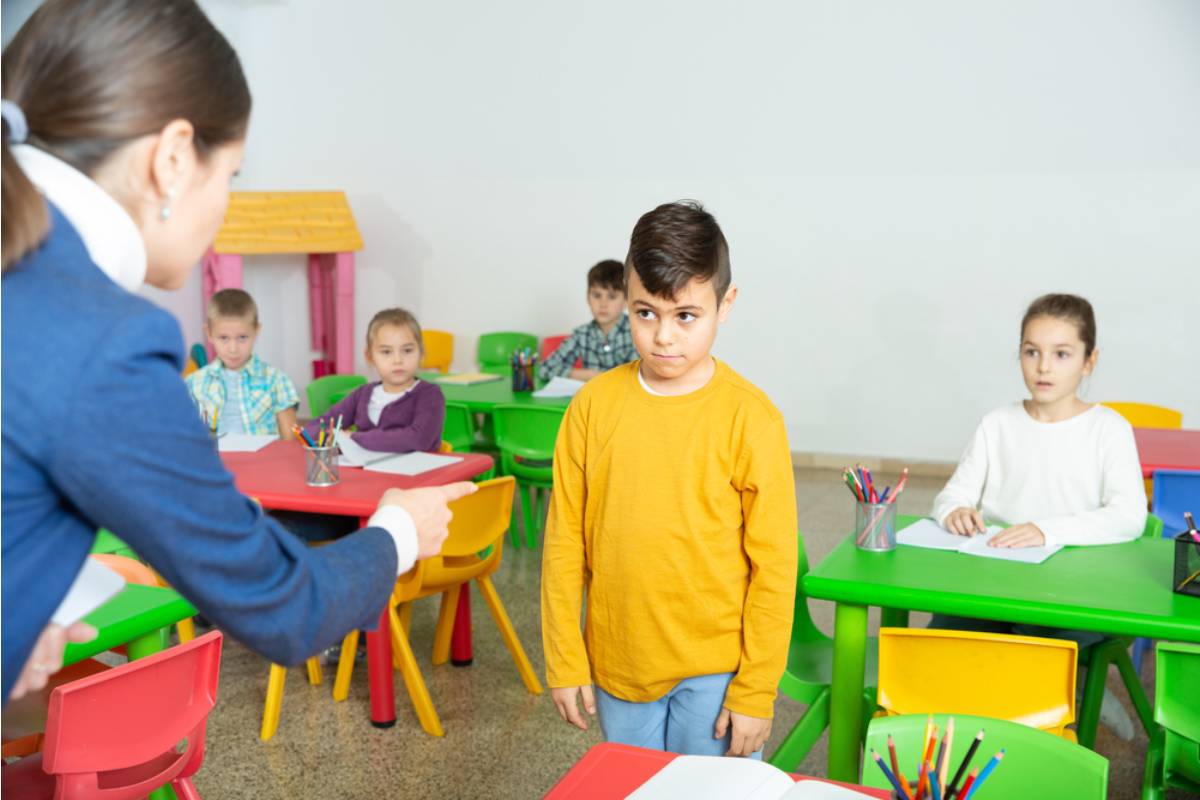
I first noticed something was off during third period when the room went unusually quiet in a way that was not normal for that class. I had been working as a school aide for almost a year, mostly helping with copies, hallway supervision, and occasional classroom support. That day I was asked to stay in the back of a language arts class while students gave short reading presentations. One student began reading and struggled with a stutter that I had heard before in passing. The teacher interrupted him halfway through his first sentence, and the atmosphere in the room shifted immediately.
The moment the tone in the room changed
The student tried again, slower this time, but the teacher leaned against the desk and repeated his words in an exaggerated way. A few students laughed nervously, unsure if they were supposed to or not. The boy stopped reading completely and looked down at his paper. The teacher then told him to “try speaking like everyone else” before moving on to another student. I remember my hands going cold because I had never seen anything like that handled so openly in a classroom.
Students reacting before adults did
A few kids in the front row looked uncomfortable and started avoiding eye contact with the teacher. One girl whispered something to her friend and immediately stopped when the teacher glanced her way. The student with the stutter sat frozen, not moving even when it was no longer his turn. The next reader began, but the energy in the room never reset. It felt like everyone was pretending the last few minutes had not happened.
Writing it down before leaving the room
As soon as class ended, I stayed back under the excuse of organizing materials. I wrote down exactly what I had seen, word for word, while it was still fresh. I was not sure what would come of it, but I knew I could not ignore it. The teacher acted like nothing unusual had occurred and started preparing for the next class. I handed in my report to the front office before the end of the day.
The first meeting that felt too small
A few days later, I was called into a short meeting with an assistant administrator. I expected more questions, maybe even a follow up discussion with the teacher involved. Instead, I was told they would “look into it” and that classroom management styles can sometimes be misunderstood. The tone made it sound like the situation was already being softened. I left the room feeling like nothing meaningful would happen next.
The student returns to class but quieter
Over the next weeks, I noticed the same student speaking less during class discussions. He would avoid reading aloud whenever possible and kept his head down more often. Other students seemed to adjust around him without talking about it directly. The teacher never brought up the incident again. It was as if that moment had been erased from official memory but not from the classroom itself.
Parents begin to notice something is wrong
At a school event, I overheard a parent asking another teacher why their child had suddenly stopped volunteering in class. There was no clear answer given. A few families mentioned that their children no longer felt comfortable speaking up during reading time. Those comments started to spread quietly through conversations at pickup. Still, nothing formal changed in how the class was being run.
My second report gets a stronger reaction
After hearing more concerns, I submitted a second written report with more detail and requested it be reviewed at a higher level. This time I was asked to provide a statement in person. The conversation felt more serious, but still controlled. I was told the teacher had been spoken to and reminded about appropriate classroom conduct. There was no confirmation of any further action.
The teacher continues teaching as before
When I returned to that classroom, the structure of lessons looked exactly the same. Students still read aloud, and the same student was still occasionally called on. I watched closely for any change in tone or approach, but nothing stood out. If anything, the environment felt more careful, like everyone was aware but unwilling to acknowledge why. It created an uncomfortable silence beneath normal classroom activity.
A student comment that stayed with me
One afternoon, I overheard two students talking in the hallway about how scary it felt to mess up while reading. One of them said she pretended to lose her voice during class so she would not be called on. That comment hit harder than anything I had seen in the classroom itself. It suggested the impact was spreading beyond one student. I wrote that down immediately after.
Administration closes the discussion
Months later, I was told the matter had been reviewed and no further action would be taken. The explanation given was that there was no clear policy violation based on interpretation. The wording felt final, like the conversation had officially ended regardless of what I had witnessed. I was advised to continue reporting concerns through normal channels if anything else occurred. There was no acknowledgment of the student impact I had described.
The student presentation that did not go as planned
Near the end of the semester, the same student was assigned another reading assignment. He tried to complete it but stopped halfway through again. The teacher moved on quickly without comment and assigned the next student. I noticed he did not even attempt to continue afterward. It felt like a pattern had formed that nobody was actively addressing.
A hallway moment I could not ignore
One day after class, I saw the student standing alone by his locker, rehearsing a sentence quietly to himself. He kept stopping and restarting the same line. A group of students walked past without noticing him. I wanted to say something but hesitated because of my role. I kept walking, but the moment stayed with me longer than anything else that year.
What changed for me after three months
Nothing official ever changed in how that classroom was handled, but the atmosphere did not feel the same as when I first walked in. I found myself paying closer attention to small reactions, pauses, and silences. The report I submitted became part of a file somewhere, but not part of visible action. The student kept coming to class, and the teacher kept teaching. And I kept wondering how many moments like that disappear simply because nothing is done after they happen.